
Last updated November 22, 2026
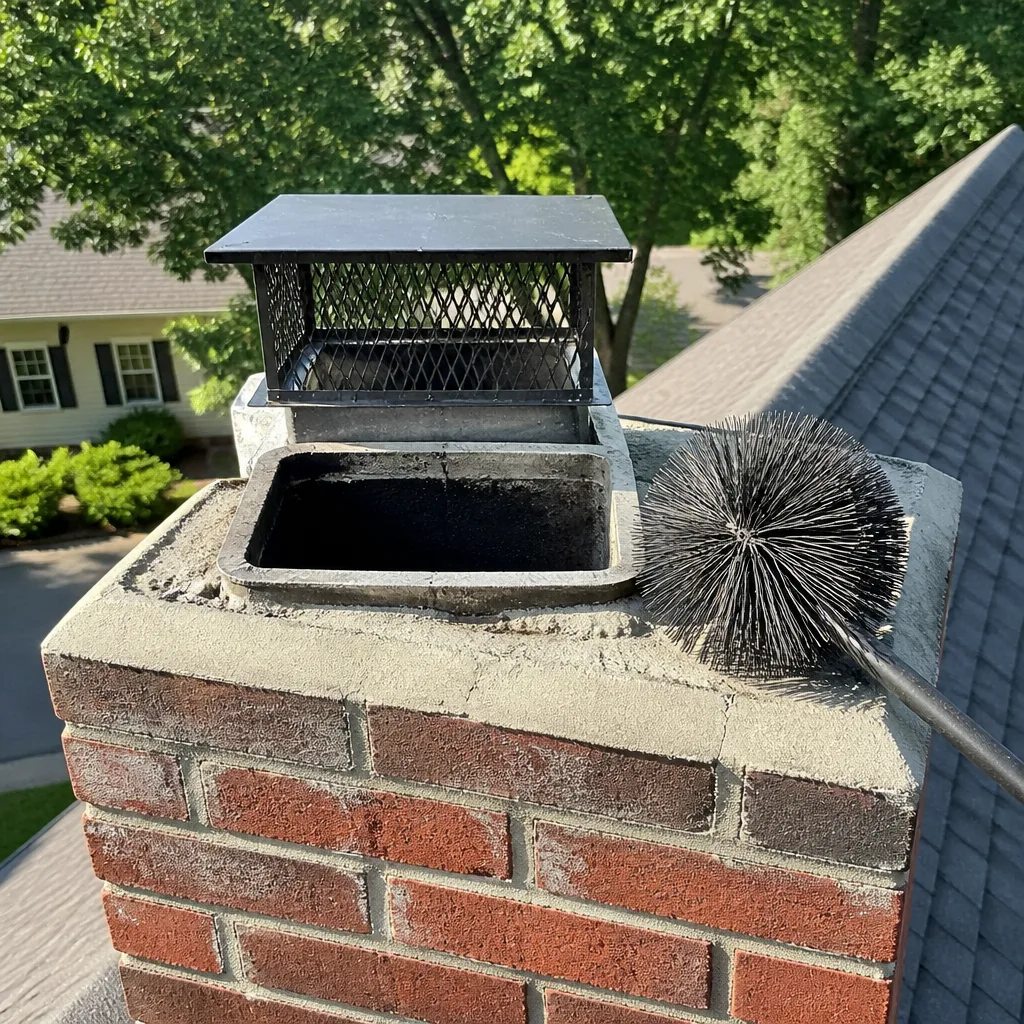 Sweep & inspection
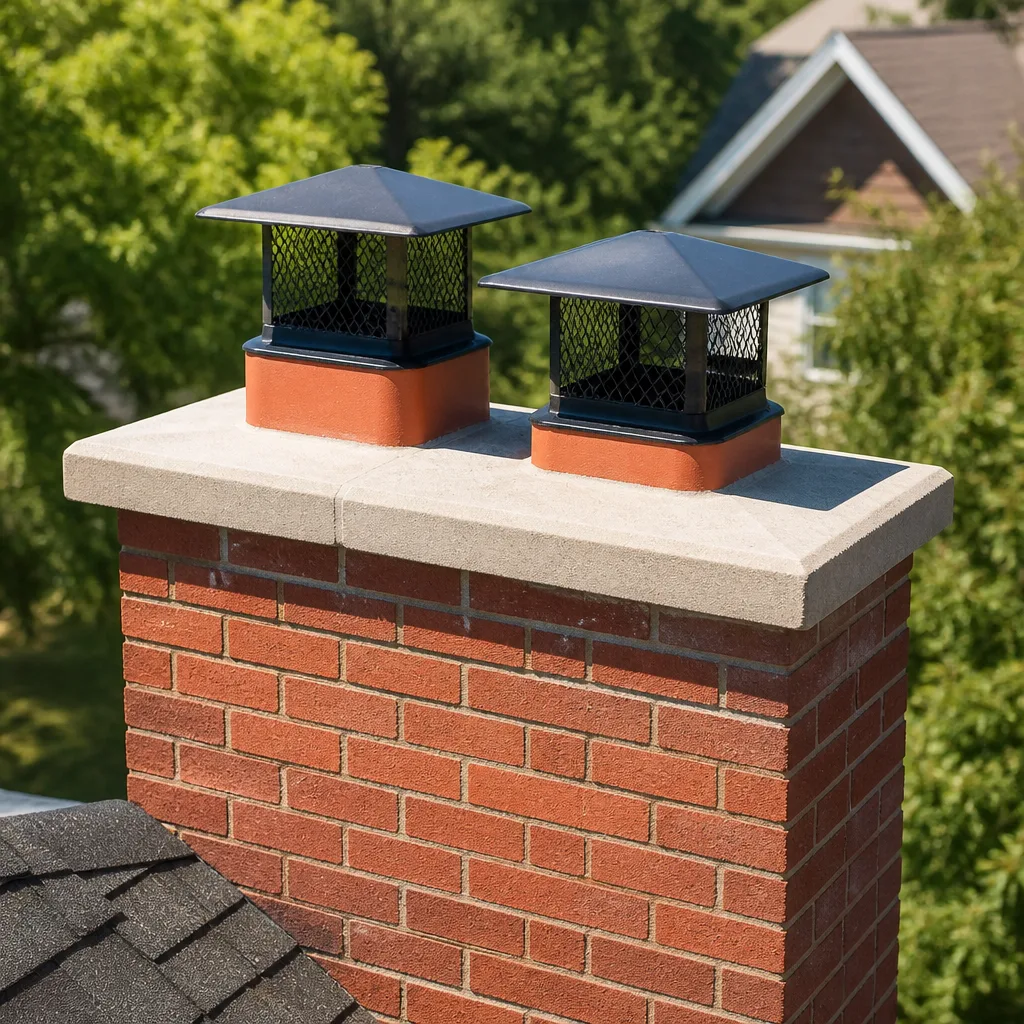 Caps & crowns
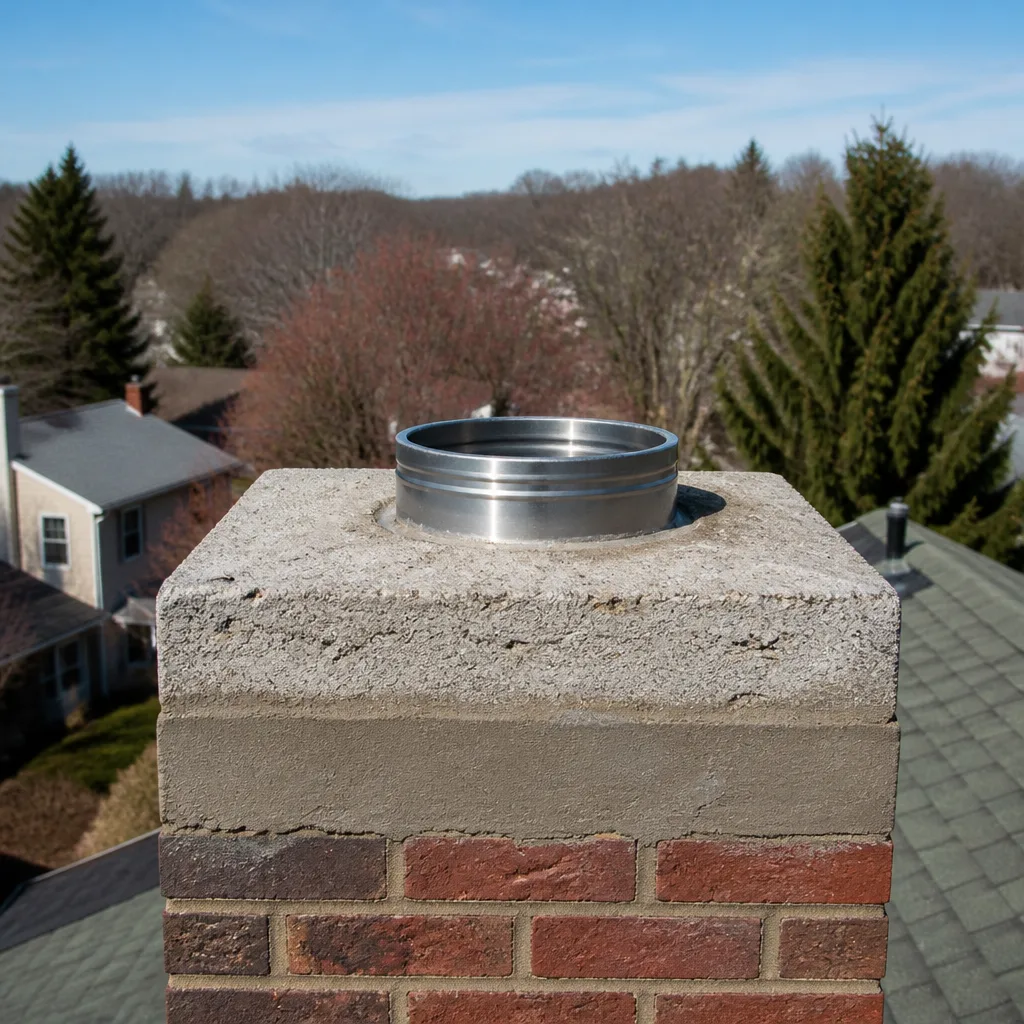 Flue relining
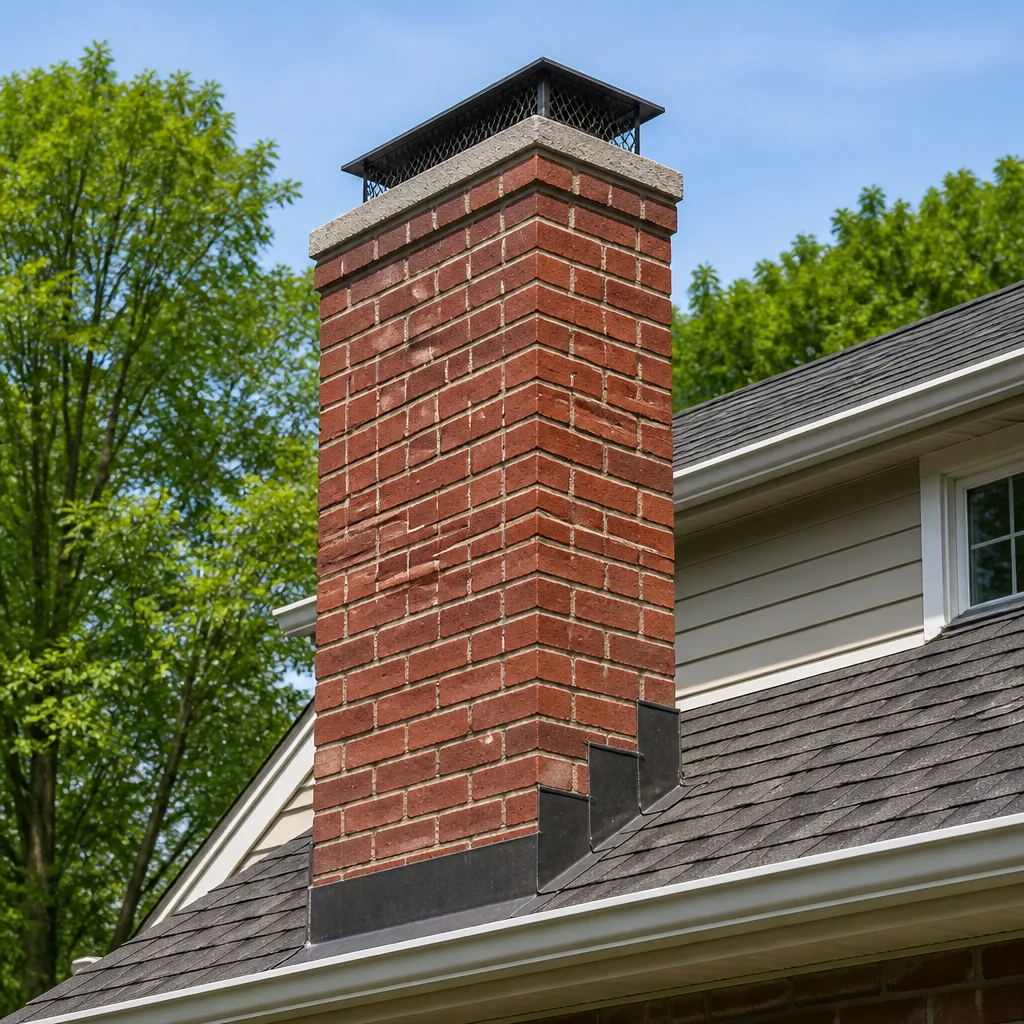 Masonry repair
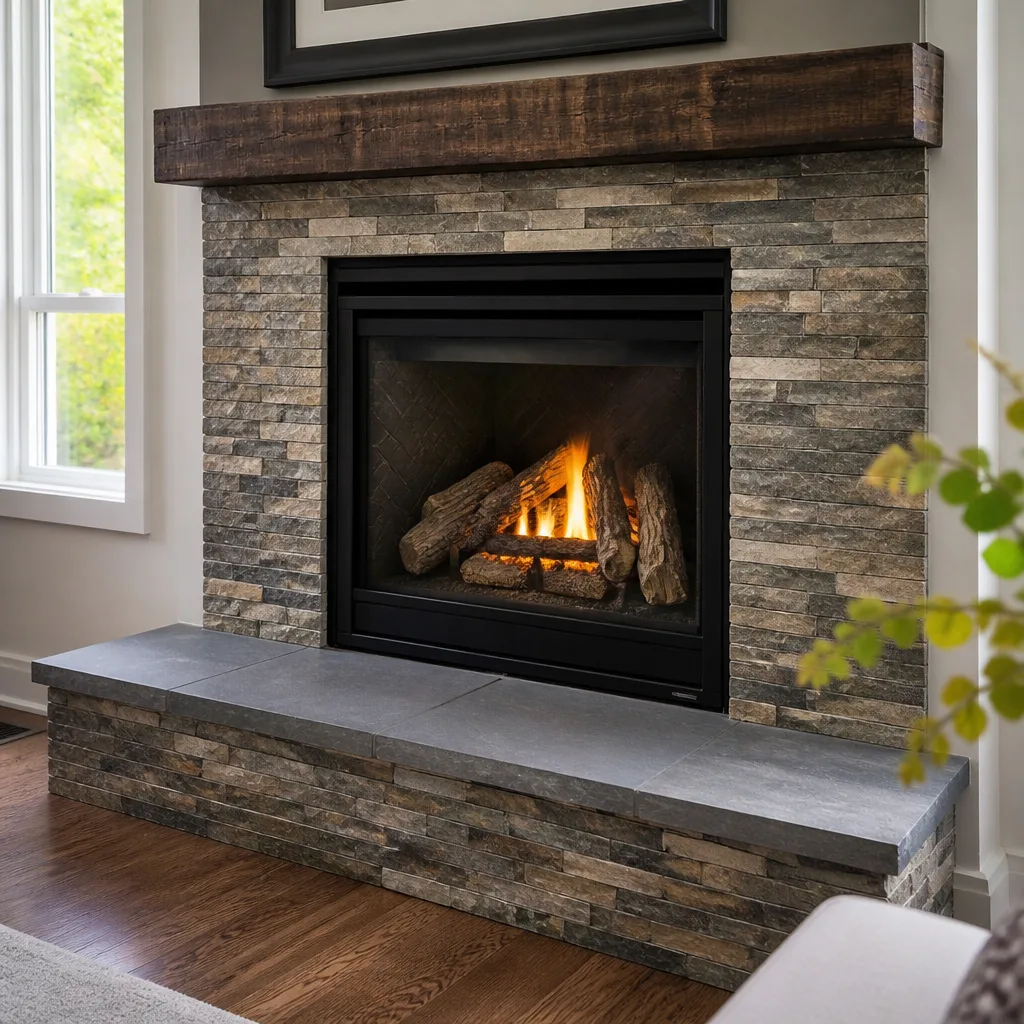 Gas fireplace service
Level 1 sweep and inspection to the NFPA 211 annual standard - flue, crown, cap, and flashing checked and photographed
Chimney sweep logs do not sweep chimneys. They loosen some creosote - which then falls where a brush and vacuum still have to collect it.
DIY vs Professional Chimney Cleaning: The Borough Park Homeowner’s Decision Guide
Chimney brush kits sit on the shelf at every hardware store in Borough Park, and they all work on the same assumption: that what’s inside your flue is loose soot a stiff bristle can knock free. Most of the time, it isn’t. The deposits that actually cause chimney fires are the ones a brush pass can spread, polish, or drive deeper into the liner rather than remove. The real question isn’t whether you’re capable of pushing a brush up a flue. It’s whether you can see what’s up there, identify it correctly, and know what your specific appliance and liner can safely take. This guide walks through where DIY genuinely works, where it quietly fails, and how to tell the difference before you climb anything.
Quick Answer
Professional chimney cleaning is the safer choice for most Borough Park homes because the job is really a diagnosis, not a scrubbing task: only a camera scan and a trained eye can tell you whether your flue holds loose stage-one soot or hardened, glazed creosote that DIY tools cannot safely remove, and only an inspection catches liner damage the flue brush never touches. The one task Borough Park homeowners can legitimately do themselves is firebox ash removal and a basic visual damper check between professional visits.
Styles & brands we work with
- Sweep & inspection
- Caps & crowns
- Flue relining
- Masonry repair
- Gas fireplace service
Table of Contents
- What’s Actually Inside Your Flue: The Three Creosote Stages
- Gas Insert vs Wood Hearth: Two Very Different DIY Equations
- Borough Park Roof Access: Why Rowhouse Geometry Changes the Risk
- The False Confidence Problem: A Clean-Looking Flue Isn’t a Known Flue
- What You Can Legitimately Do Yourself
- What a Professional Sweep and Inspection Actually Involves
- How Often Does a Borough Park Chimney Need Cleaning?
- What Does Professional Cleaning Cost, and How Do You Compare Bids?
What’s Actually Inside Your Flue: The Three Creosote Stages
Creosote is the residue left behind when wood smoke cools against the flue walls, and it doesn’t arrive in one form. It builds in stages, and each stage behaves differently under a brush. Understanding the difference is the whole foundation of the DIY-versus-professional decision, because a brush kit is designed for exactly one of these three.
Stage 1: Soot and Loose Flake
This is the light, dusty, flaky deposit a standard brush handles well. It brushes off the liner walls and falls into the firebox for collection. Stage-one buildup is what the brush kit on the shelf was built for, and it’s the form you’re most likely to find when a chimney has been swept regularly and burned with well-seasoned wood.
Stage 2: Hardened Crust
Stage two is where the trouble starts. It’s a denser, crusted layer bonded to the liner surface, and a stiff brush dragged across it can polish and compact it instead of lifting it off. This is the deposit that makes a DIY sweep look successful from below while leaving a harder, glossier layer behind. It often needs chemical treatment and mechanical rotary tools to break down safely.
Stage 3 and Glazed Creosote
Glazed creosote is a shiny, tar-like coating fused to the liner, and it’s the most combustible form. A hand brush cannot remove it. Worse, aggressive DIY scraping of glazed creosote can crack a clay tile liner or damage a metal liner, creating a new problem on top of the old one. This is a professional-only job, full stop.
You cannot tell stage one from stage three by looking up the flue with a flashlight from the hearth. That’s the core argument: the DIY decision isn’t about your willingness or strength, it’s about the information you don’t have until someone runs a camera up there. When we inspect a Borough Park flue, the deposit stage sets the entire cleaning method, and skipping that step is how a “cleaned” chimney stays a fire risk.
Gas Insert vs Wood Hearth: Two Very Different DIY Equations
The single biggest variable in the DIY question is what burns in your fireplace. A Borough Park brick rowhouse with an open wood hearth and a gas insert retrofitted into another home are not the same cleaning job, and the DIY risk profile flips entirely between them.
Wood-Burning Fireplaces
Wood produces creosote, and creosote is the fire hazard. It also produces ash, soot, and the occasional bird nest or debris fall, all of which a homeowner can partly monitor from below. But wood flues accumulate the very deposits that DIY tools struggle with, so a wood hearth leans heavily toward professional cleaning, especially the first sweep of a season after heavy burning.
Gas Fireplaces and Gas Inserts
Gas burns clean, so a gas flue doesn’t collect creosote the way a wood flue does. What it does collect is a different problem: fine soot, debris, and the occasional nesting material, plus the fact that many gas inserts vent through a smaller dedicated flue or an existing chimney with its own liner. The cleaning itself is less about deposit removal and more about verifying the vent path and the condition of the liner and termination. Because the deposits are lighter, a gas fireplace is the appliance where a homeowner might assume DIY is fine. But a gas flue that’s blocked or degraded is a carbon monoxide pathway, and that’s not something you can check with a brush. Gas work also sits behind appliance-specific servicing the homeowner shouldn’t touch.
The takeaway: if you have a gas insert, the DIY decision should lean even further toward professional inspection, not away from it, because the danger is invisible and the cleaning is the least of it. If you’re not sure what your liner is made of or which appliance it serves, that alone is a reason to have it formally inspected before assuming anything about the flue’s condition.
Borough Park Roof Access: Why Rowhouse Geometry Changes the Risk
Most DIY chimney guides are written for a suburban house with a pitched roof, a wide lawn, and a chimney on the far gable a ladder can reach comfortably. That is not Borough Park. The housing stock here is predominantly attached brick rowhouses, often three stories, with roofs that sit flush against the neighbor’s and parapets at the top rather than a simple ridge. That geometry turns a routine roof-access climb into a genuine fall hazard that no generic guide accounts for.
Here’s what a Borough Park homeowner actually faces on the roof:
- No safe ladder footing. A ladder set against a rowhouse front or rear wall often lands over a sidewalk, a stairwell, or a yard with no level ground and no clear angle for a proper lean.
- Shared roof lines and parapets. The chimney may sit behind or beside a parapet wall, which means the top of the flue isn’t where a ladder naturally reaches, and stepping onto the roof to close the distance is a real risk even for experienced trades.
- Brick, mortar, and weather. Older attached rowhouse rooftops have weathered parapets, loose chimney bricks, and slippery surfaces in damp or cold weather. A foot placed wrong on a parapet edge is the kind of fall that ends a season or worse.
- No second person. Most homeowners do this alone. A roofer or sweep works with a spotter, proper roof access, and fall protection.
We’re not telling you this to scare you off the roof. We’re telling you because the calculation is different here. A fall from a three-story Borough Park rowhouse is a serious injury, and the only thing DIY saves you is a service call. That trade isn’t worth it when the work needs a ladder at all. Access is exactly why professional cleaning in Borough Park often takes longer than people expect: getting to the top safely and setting up to work clean is half the job.
The False Confidence Problem: A Clean-Looking Flue Isn’t a Known Flue
This is the quietest failure of DIY chimney cleaning, and the one we see most often. A homeowner cleans from below with a brush, watches the soot fall, sees the flue opening look black but tidy, and concludes the chimney is safe for the season. What they’ve actually done is confirm that the visible bottom few feet look clear. The liner condition above the firebox, the smoke chamber, the crown, the cap, and the flue’s interior walls remain entirely unknown.
A brush doesn’t report. It doesn’t tell you whether a clay tile has cracked, whether a metal liner has separated at a joint, whether the crown has a hairline fracture letting water in, or whether the cap screen is blocked with debris. None of that shows up from the hearth. A professional inspection is built around a camera scan precisely because it’s the only way to see what a brush leaves behind. When we sweep a chimney, the camera scan and the photo report go with it, so you can look at the same images we do rather than take a recommendation on faith.
That distinction matters for another reason: it protects you from being sold work you don’t need. When a flue has been scanned and photographed, a recommendation for liner resurfacing or a repair has evidence attached. When it hasn’t, the recommendation is a guess. A chimney that “looks clean” but has never been camera-scanned is a known-unknown, and the honest answer is that its condition should be treated as unverified until it’s documented.
What You Can Legitimately Do Yourself
Between professional visits, there are a few jobs a Borough Park homeowner can do safely and well, and they’re worth doing. These aren’t substitutes for a sweep or inspection, but they keep the fireplace cleaner and help you spot changes early.
- Remove ash from the firebox. Once ash builds up, clear it out. Use a metal container with a lid and set the ash outside away from anything combustible. Never vacuum warm ash. This is the one cleaning task that is genuinely a homeowner job.
- Check the damper by hand. Open and close it a few times. It should move freely and open fully. If it sticks, jams, or won’t seal, note it and mention it when you book your inspection.
- Keep the firebox free of debris. Don’t store papers, kindling, or anything combustible near the opening.
- Look for obvious changes from the hearth. Rust, water staining, crumbling mortar at the firebox, or soot streaks around the surround are worth photographing and reporting. You’re not diagnosing them; you’re collecting information.
- Check the cap from the ground if you can see it. A visibly damaged or missing cap is a reason to call, not a reason to climb.
What you should not attempt is anything above the firebox: running a brush up a clay or metal flue, reaching into the smoke chamber, or touching the liner. Those are where the risk concentrates and where a mistake can turn into a repair. The National Fire Protection Association’s general guidance that chimneys be inspected and cleaned as needed is the industry baseline, but the practical version is simpler: clean the ash, watch for changes, and let a professional handle anything that involves the flue itself.
What a Professional Sweep and Inspection Actually Involves
A professional chimney cleaning isn’t a bigger version of the DIY job. It’s a different job with a diagnostic spine. Here’s how a thorough visit typically unfolds, and why each step matters to the DIY decision.
- Setup and containment. Drop cloths, a sealed work area, and a vacuum running throughout keep soot out of the living space. DIY sweeping from below tends to leave the room dustier than the flue is cleaner.
- Visual inspection first. Before anything is brushed, the technician documents the firebox, damper, smoke chamber, and cap. Problems found now change how the cleaning is done.
- Deposit assessment. The technician identifies whether the flue holds stage-one soot or harder deposits, which determines the method: standard brush, rotary tool, or chemical treatment for glazed creosote.
- The sweep. Done with the right tool for the deposit type, not a one-size brush. This is where the professional method earns its keep on stage-two and glazed creosote that a hand brush would only polish.
- Camera scan. A camera run up the flue checks the liner, joints, and interior for cracks or gaps the brush never touches. This is the step DIY cannot replicate and the step that decides whether the chimney is safe to use.
- Report and recommendation. You get photos and a clear account of what was found, and a recommendation only when the findings support one. If work can wait, a straight answer says so.
That’s the “inspection first, recommendation second” discipline. The appointment exists to answer a question about your chimney’s condition, and the cleaning is one tool in answering it. A chimney sweep in Borough Park should never be a quick brush-and-out visit when the flue’s condition is undocumented.
How Often Does a Borough Park Chimney Need Cleaning?
There’s no single annual number that fits every Borough Park home, but there is a practical rule: get a chimney inspected once a year and cleaned when the inspection says it needs it. The frequency of actual cleaning depends on how much you burn, what you burn, and the appliance.
- Wood-burning fireplace used regularly: inspect yearly, clean as deposit accumulates. A heavy-burning season can bring you to a sweep within the year.
- Wood-burning fireplace used occasionally: still inspect yearly. A wood flue can hold a season’s deposits and sit idle for months.
- Gas insert: inspect yearly. Cleaning is generally lighter, but the liner and vent check matters more than the soot volume.
- After any event that changes things: a chimney fire, water intrusion, an animal nest, or a chimney repair means you should be inspected before using it again.
The annual inspection is the anchor. It’s also the honest answer to the “how often” question, because a year is when conditions change: a crack can develop, a cap can loosen, a crown can split. For related structural concerns, a professional chimney repair assessment is where those get addressed, and a full inspection should catch them before they become a bigger job. If you’re also wondering about keeping water and animals out between seasons, the right chimney cap & crown work is one of the highest-value things you can do for the flue.
What Does Professional Cleaning Cost, and How Do You Compare Bids?
Chimney cleaning prices track the scope of the visit, not one flat number. A standard sweep costs less than a cleaning that includes a camera scan and a written report, and work that turns into a liner recommendation costs more still. Since pricing is set per job by a written estimate, the useful move is to know what you’re comparing before you book, not to chase the lowest number.
- Standard sweep: deposit removal and basic cleaning.
- Sweep plus inspection: the sweep, plus a camera scan and photo report. This is the version that actually answers the safety question.
- Liner or structural findings: priced separately once documented, with the written estimate setting the final price.
When you compare Borough Park estimates, ask two questions: does the price include an inspection and a camera scan, and will you get photos? A quote for a sweep with no inspection is a cleaning, not a safety check. And when a bidder tells you the liner needs work, ask to see the images. A professional will show you. If there’s no camera evidence, don’t authorize the work. Estimates here are free, so use them: get a written scope, compare the diagnosis as much as the number, and treat “we’ll know once we’re in” as a reason to ask for the inspection up front.
This is also the point where material specifics matter. When a liner recommendation does come, the products used should be recognizable trade-grade systems, not whatever’s on hand. We work with HeatShield for liner resurfacing and DuraFlex flexible liner systems for full relining, along with Gelco, Olympia Chimney, Famco, and Copperfield components. Those are the same materials specified by certified chimney professionals, and knowing the names means you can ask exactly what’s going into your chimney.
Common Mistakes to Avoid
- Cleaning a wood flue with a hand brush and calling it done. On stage-two or glazed creosote, a hand brush polishes the deposit instead of removing it, leaving a harder layer behind. If you don’t know which stage you’re dealing with, you can’t know whether the job is finished.
- Assuming a gas insert never needs attention. Gas produces little creosote but still accumulates soot and debris, and a degraded gas flue is a carbon monoxide concern. The lighter deposit load is a reason to inspect, not a reason to skip.
- Climbing a Borough Park rowhouse ladder alone. Attached brick rowhouses, parapets, and awkward ladder footing are exactly the conditions fall injuries happen in. No amount of technique makes a bad ladder angle good.
- Judging the flue from the hearth. A clean-looking firebox says nothing about the liner, the crown, the cap, or the smoke chamber. Cleaning without a camera scan fits this mistake on both counts.
- Skipping the inspection when the flue “looks clean.” The whole value of an inspection is finding what you can’t see. If you clean on your own, the condition of the liner is unknown, and unknown isn’t the same as fine.
- Accepting a liner recommendation with no photos. If someone says the liner needs resurfacing or replacement, ask to see the camera images. If they can’t show you, the recommendation hasn’t been demonstrated.
- Letting a small cap or crown problem wait through wet weather. A missing or damaged cap lets water and animals in, and water intrusion is a common cause of liner and masonry trouble. Given how wet Borough Park winters run, a clogged or damaged cap can cost more the longer it sits.
See the difference
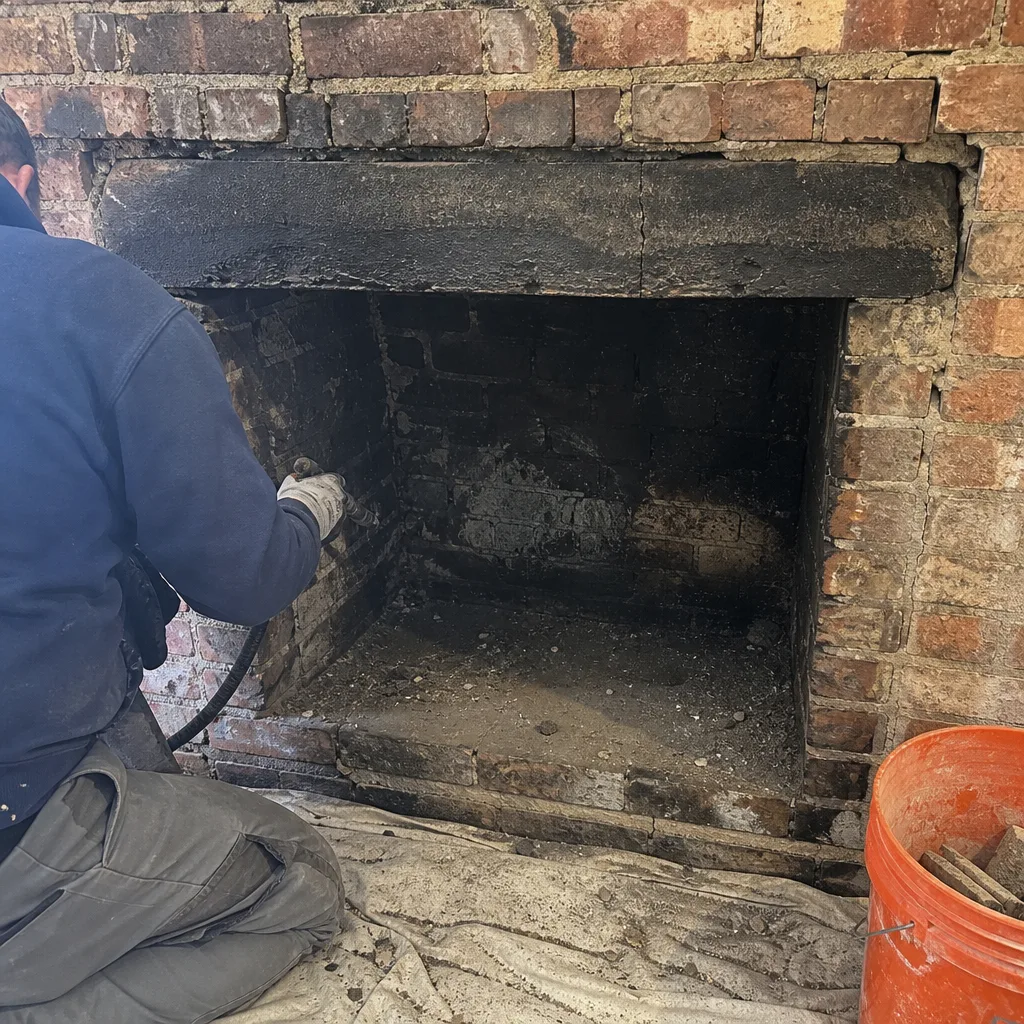 Before
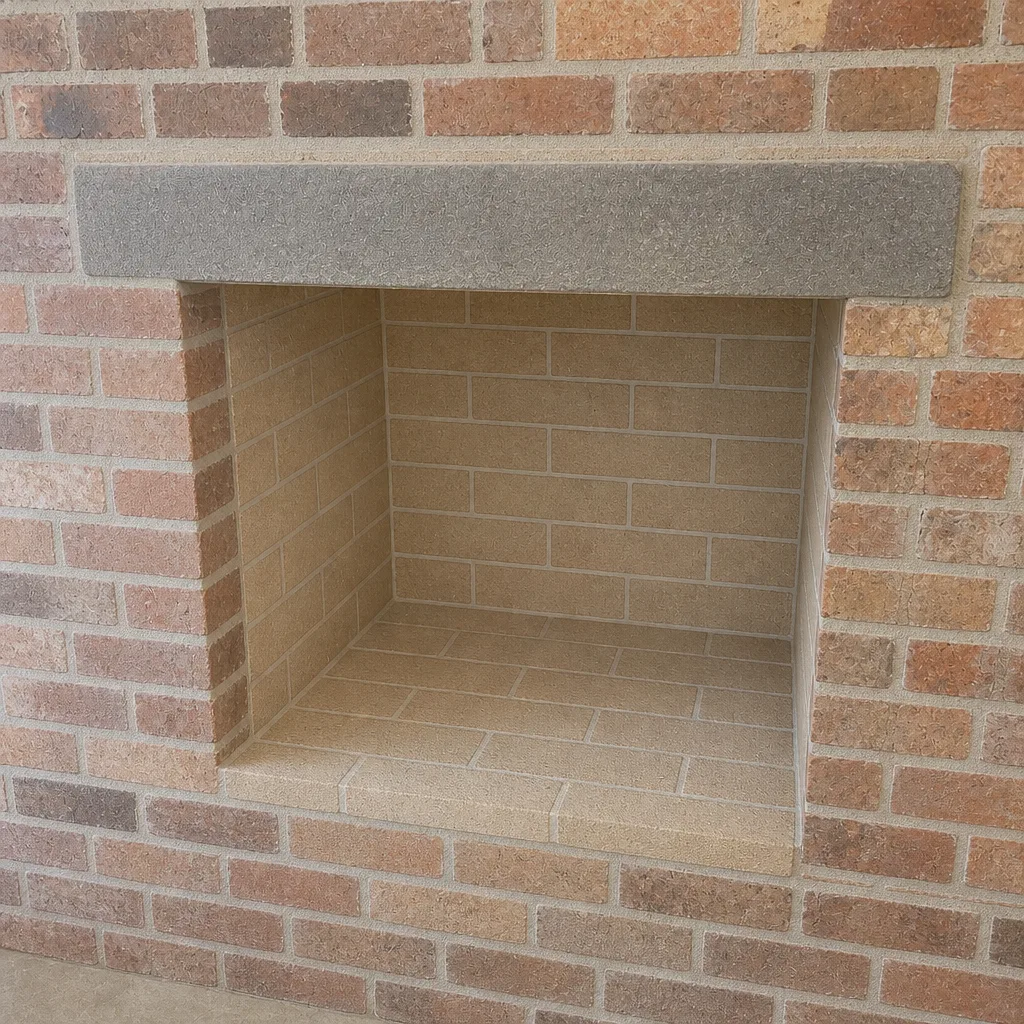 After
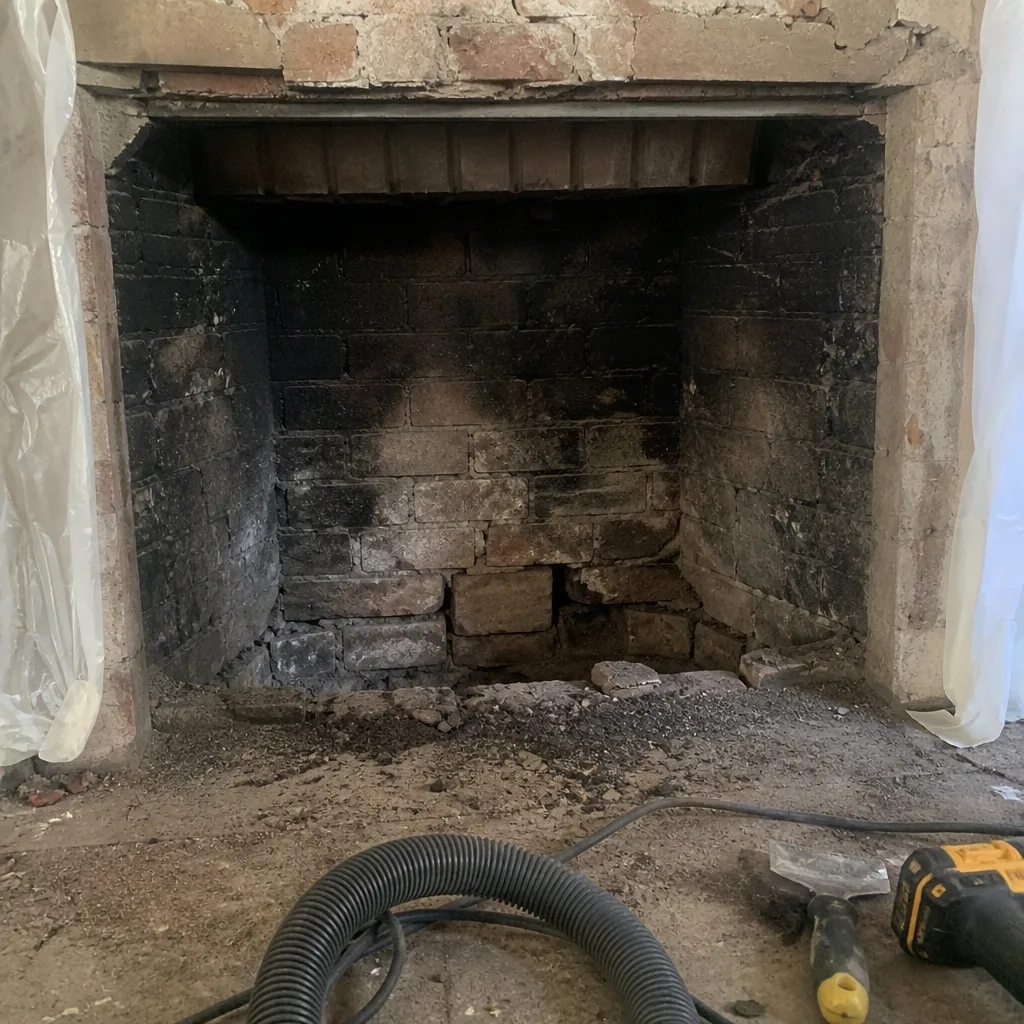 Before
 After
 Before
 After
When to Call a Professional
Book a professional visit when any of these are true: you have glazed or hardened creosote (or you don’t know), your appliance is gas and you want the liner and vent path verified, your chimney cap or crown is damaged or missing, you’ve had a chimney fire, or you can’t safely inspect it from the roof line. If you’re weighing an inspection against a general handyman’s look, a dedicated inspection is the version that actually covers the flue. A structured visit is also the right starting point before you take on any chimney sweep booking, because the decision should follow the evidence. Chimney Sweep Borough Park offers free estimates in Borough Park – call (833) 554-1032. We answer 24/7. Fast dispatch from 7am to 7pm, Sunday through Friday.
Frequently Asked Questions
You can safely remove firebox ash and check the damper by hand, but you should not run a brush up the flue yourself. The deposits that cause chimney fires often need to be identified by camera and addressed with the right method, and Borough Park rowhouse roof access adds a serious fall risk that makes the climb a poor trade for a service call.
Pricing is set per job by a written estimate, and a standard sweep costs less than a visit that includes a camera scan and report. The number to compare is the scope, not just the price: ask whether the estimate includes an inspection and photos. Call (833) 554-1032 for an exact quote – estimates are free.
You usually can’t tell from the hearth. Glazed creosote is a shiny, tar-like layer fused to the liner, and it’s often above the visible flue opening where a flashlight won’t reach. A camera scan during an inspection is the reliable way to identify it, and glazed creosote is a professional-only removal job.
Yes, gas fireplaces and inserts still need yearly inspection even though they produce little creosote. Gas flues collect fine soot and debris, and a blocked or damaged vent path is a carbon monoxide concern, so the inspection is the essential part.
You’ll know the flue looks clear from below and nothing more. A skipped inspection leaves the liner, crown, cap, and smoke chamber unverified, so a cracked liner or damaged crown can go unnoticed while you keep using the fireplace. An inspection is what makes the cleaning meaningful.
Yes, and that’s the standard. Nothing should be recommended without camera evidence you can see, and if the findings show the work can wait, you should hear that plainly. The report exists to answer the question, not to force a job.
The Bottom Line
The DIY versus professional chimney cleaning decision comes down to information and access, not grit. If your flue holds loose stage-one soot and you have a safe, level roof line to work from, the basics are within reach. But most Borough Park homes have neither a simple roof line nor a known deposit stage, and the deposits that matter most are the ones a brush can’t remove and a flashlight can’t reveal. Keep the ash-clearing and damper checks for yourself. Let a professional handle the flue, the camera scan, and anything above the firebox. Before the next burning season, get a real inspection on the record with Chimney Sweep Borough Park. Call (833) 554-1032. We answer 24/7. Fast dispatch from 7am to 7pm, Sunday through Friday.
For a full look at everything we cover from the flue to the firebox, start with Chimney Sweep Borough Park.
Written by the team at Chimney Sweep Borough Park.