
Last updated November 22, 2026
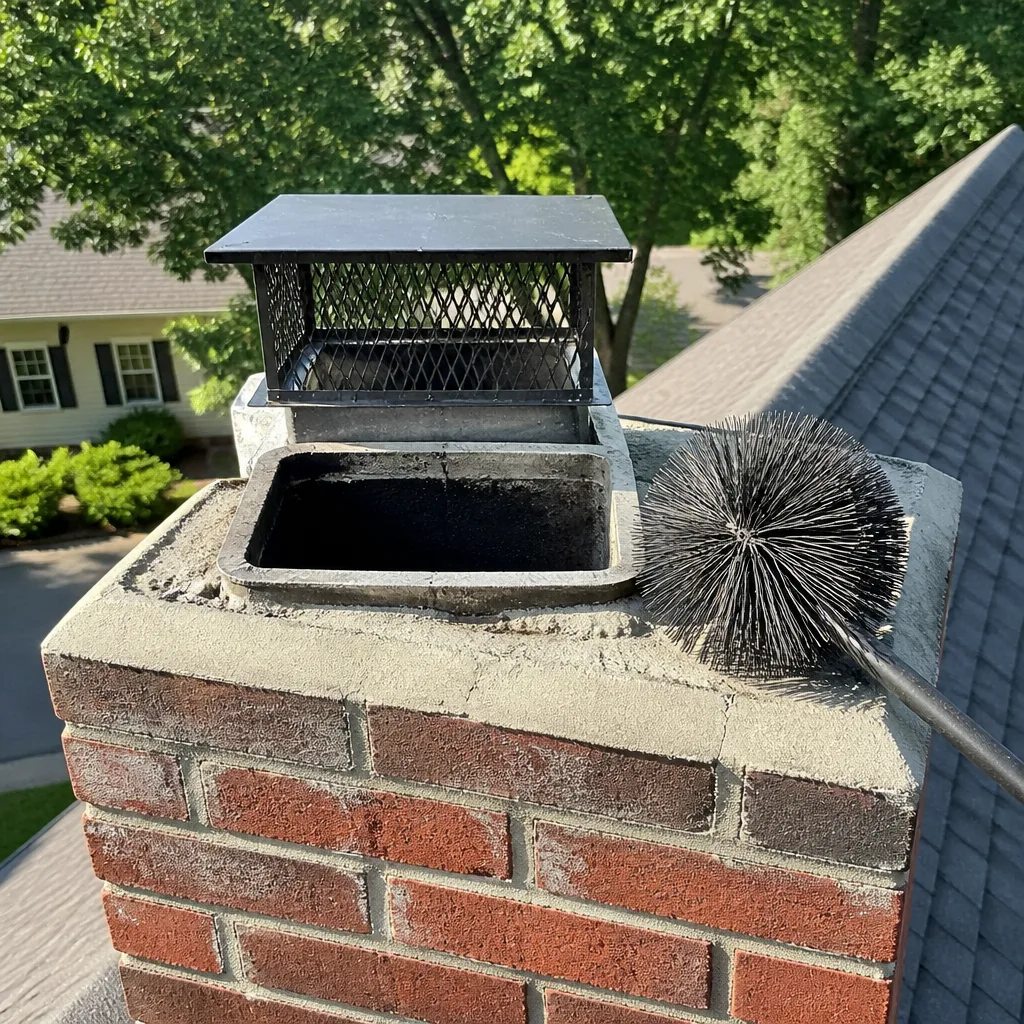 Sweep & inspection
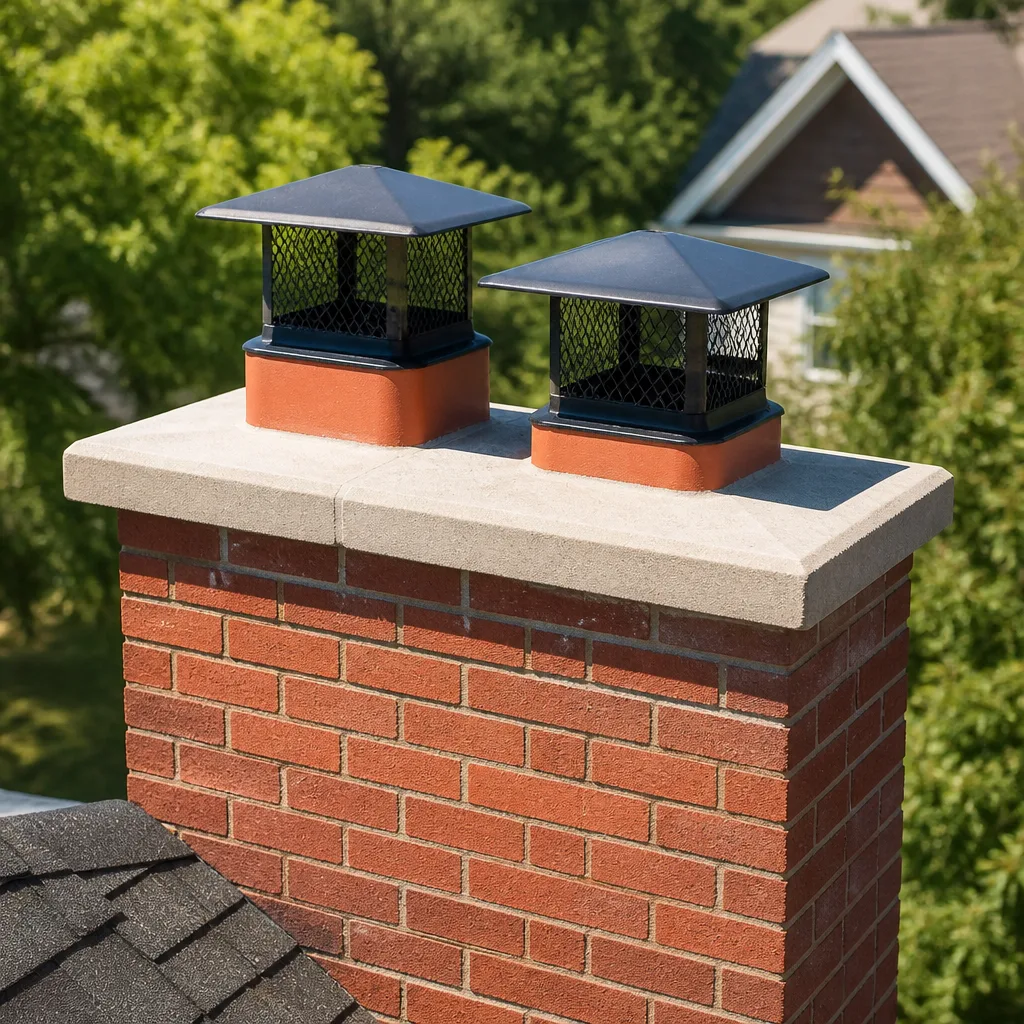 Caps & crowns
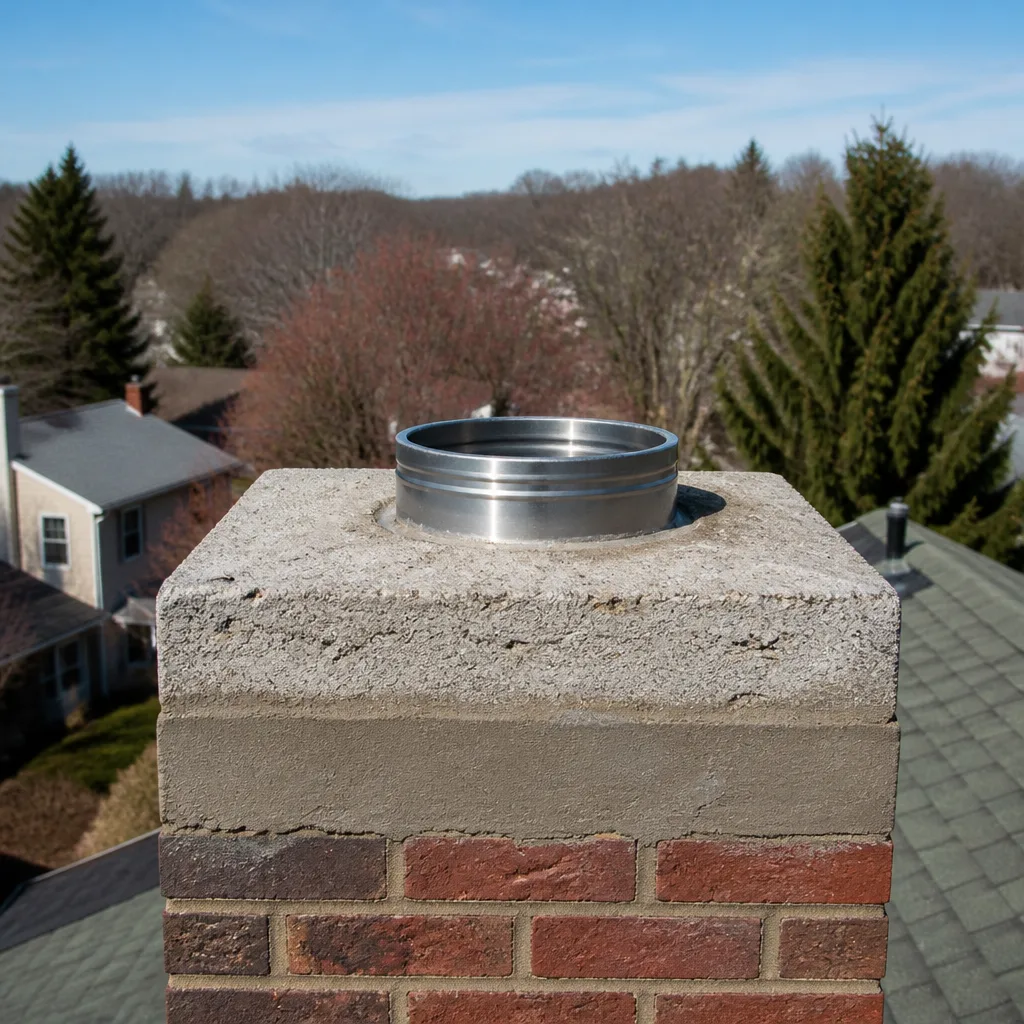 Flue relining
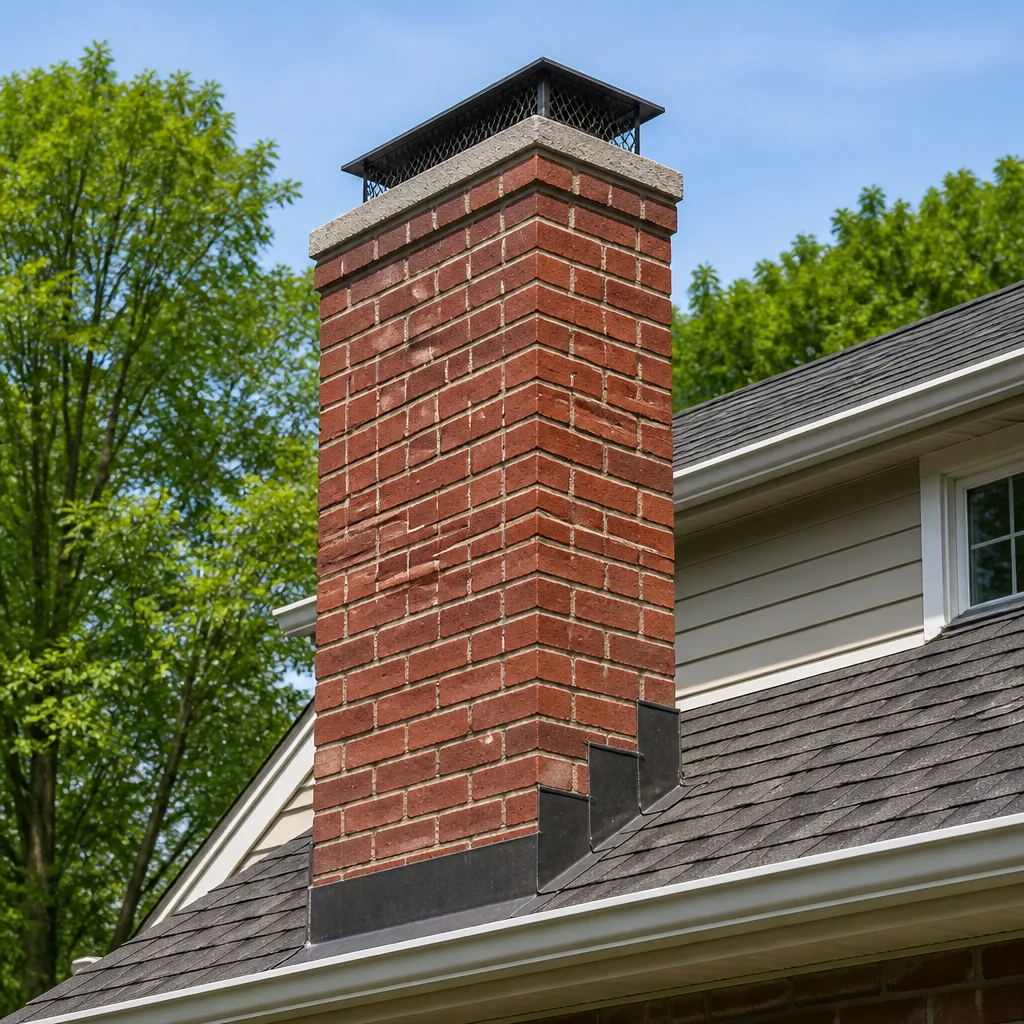 Masonry repair
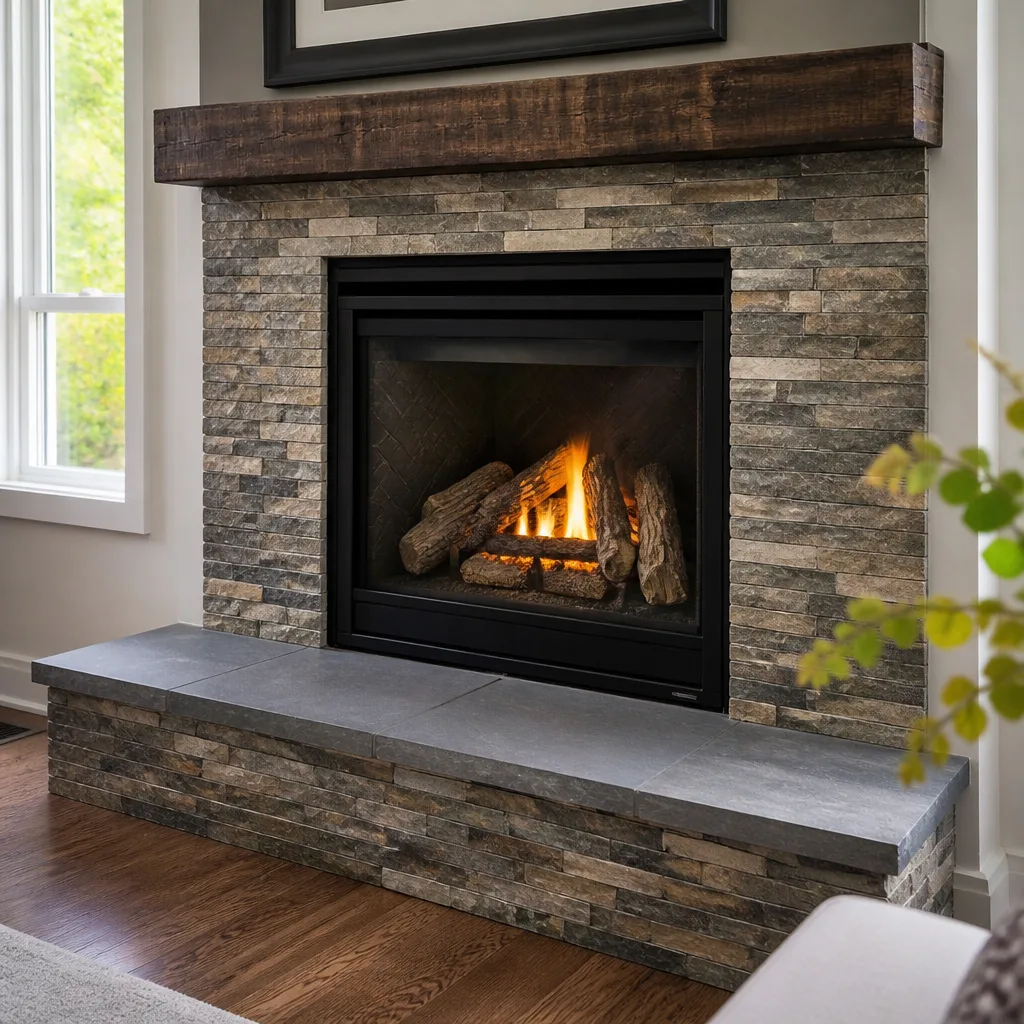 Gas fireplace service
Level 1 sweep and inspection to the NFPA 211 annual standard - flue, crown, cap, and flashing checked and photographed
Chimney sweep logs do not sweep chimneys. They loosen some creosote - which then falls where a brush and vacuum still have to collect it.
Chimney Cleaning Emergency Preparedness Guide for Borough Park Homes
Most chimney safety advice is written for houses that stand alone. Borough Park isn’t that. A chimney fire here can push heat sideways through a shared masonry wall into the unit next door, and a blocked flue can put carbon monoxide into a building where three families share one roofline. That changes what “prepared” means. A chimney fire burns at temperatures above 2,000°F, hot enough to crack a terra cotta liner in a single event and to soak heat into brick that flanks a neighbor’s bedroom. Below, we walk through how to recognize an active chimney fire, the exact response order (including the instinct that makes it worse), how to evacuate a rowhouse block, what to tell FDNY, and why no one should relight before a proper inspection. If you want a sweep booked before the season turns, call (833) 554-1032.
Quick Answer
A chimney fire emergency in Borough Park comes down to three moves: get everyone out through a shared or rear exit, call 911 and describe your chimney and building type, then never relight until a Level 2 inspection confirms the liner and adjacent masonry are intact. Preparedness itself means a documented sweep and inspection before burning season, a working carbon monoxide alarm on every floor, and a clear plan for alerting attached neighbors. Density is the factor most guides ignore.
Styles & brands we work with
- Sweep & inspection
- Caps & crowns
- Flue relining
- Masonry repair
- Gas fireplace service
Table of Contents
- How Do You Recognize a Chimney Fire in Progress?
- What Is the Correct Immediate Response Sequence?
- Rowhouse Evacuation and Lateral Heat Transfer
- What to Tell FDNY About Your Chimney Configuration
- Post-Event Protocol Before You Relight
- Preparing Before the Season Starts
- What a Level 2 Inspection Must Confirm
- Common Mistakes to Avoid
How Do You Recognize a Chimney Fire in Progress?
A chimney fire is often not visible from inside the room. The firebox looks normal, the fire may even seem to smolder down, and the real action is happening up the flue. In our experience, the clearest signals are sounds and smells before anything shows on the roof. Learn them now, because during an event you have seconds, not minutes, to decide.
Signs of an active chimney fire:
- Sound: A low rumble, a roar like a distant train, or a series of popping cracks that don’t match the fire you built. The rumble comes from air being pulled hard up the flue.
- Smell: A hot, acrid, almost metallic burning smell, distinct from normal wood smoke. Some homeowners describe it as scorched or chemical.
- Visual, inside: Puffs of smoke escaping joints in the stovepipe or around the damper, or flames visible at the top of the firebox that don’t belong to the fire itself.
- Visual, outside: Dense smoke or flames from the chimney top, sparks, or a visible glow at the crown. A neighbor may spot this before you do, which matters on a block of attached homes.
- Physical: The chimney or surrounding wall feels unusually hot to the touch, or the metal flue pipe is hot enough to discolor.
Separate this from a draft problem. A cold, smoky fireplace with a weak draft smells like smoke backing into the room and burns poorly, but there’s no roar, no acrid smell, no heat radiating from the masonry. A draft issue is uncomfortable. An active chimney fire is a structural threat to your unit and the ones attached to it, and it’s the difference between booking a chimney sweep and calling 911.
What Is the Correct Immediate Response Sequence?
The instinct most people have during a chimney fire, opening the damper wide, is the wrong one. More air feeds the fire. The correct order is get out, call, and stay out. Here is the sequence in the order it matters:
- Alert everyone in the unit and get out. Don’t stop to gather belongings. In a Borough Park rowhouse, use the exit you’ve already planned (front stoop, rear yard, or a shared corridor) and account for every person.
- Call 911 from outside. Give the address, say “chimney fire,” and describe the building type and chimney (more on what to tell them below).
- Do not open the damper to “let it vent.” A wide-open damper feeds oxygen to a 2,000°F+ fire and can accelerate it. If the fire is small and contained and the firebox door or glass is closed, leaving it closed starves the fire of air. Close the glass doors if you can do so safely, but never linger to do it. Getting out takes priority over any adjustment.
- Do not throw water on it. Water on a hot flue can crack a terra cotta liner or a metal flue and send steam and debris back into the room. It’s not a firefighting tool for a chimney interior.
- Alert attached neighbors if the building is a shared rowhouse, since heat can pass through a common wall. A knock on the adjoining door can matter more than anything you do inside.
- Wait for the fire department and don’t re-enter until they clear the structure. A chimney fire can reignite after it seems out.
The one thing to do before the season, not during it, is confirm your carbon monoxide alarms work on every floor. A chimney fire isn’t the only risk; a blocked or damaged flue silently pushes CO into living space, and in a dense block that affects more than one household.
Rowhouse Evacuation and Lateral Heat Transfer
Borough Park’s attached and semi-attached rowhouses and multi-family buildings change both the fire risk and the evacuation plan. A chimney that runs up a shared or party wall can transmit heat sideways into the neighboring unit’s masonry, and hot brick holds that heat. That’s why a chimney fire here is never just a single-household event. It’s a block event waiting to happen if no one warns the neighbors.
Points to plan for in a Borough Park building:
- Shared entry points: Know whether your building shares a front entrance or a rear exit with another unit, and who else uses that path. In an emergency, a single shared stairwell can jam.
- Lateral heat transfer: If your chimney is on or near a party wall, the unit next door may heat up even without visible smoke on their side. Tell them.
- Rear yards and fire escapes: Map a second way out. On a rowhouse block, the rear yard or an exterior stair is often the realistic second exit.
- Alerting neighbors: Knock, call, or text the adjacent units the moment you’re safely outside. You don’t need to be certain the fire has spread to justify a warning; better a false alarm than a silent neighbor.
- Building-wide alarms: In a multi-family building, make sure everyone knows where the alarm originates so a CO reading on one floor prompts a check on all of them.
Our technicians have up to 9 years of experience, and the recurring theme in dense blocks is this: the households that fare best are the ones who planned the exit and the neighbor warning before anything happened. One crew, start to finish, matters here too, because whoever inspects your flue after an event should understand how it sits against the adjoining masonry.
What to Tell FDNY About Your Chimney Configuration
The dispatcher needs enough detail to send the right equipment. You don’t need to be a chimney expert, but you do need to describe your setup clearly. Say “chimney fire” first, then the rest.
- Address and unit: Full address, and note if it’s a multi-family building with shared walls.
- Building type: “Attached rowhouse,” “semi-attached,” or “detached,” and how many units share the structure.
- Chimney type: Wood-burning masonry fireplace, a metal flue, an oil or gas flue, or a gas insert. If it’s an oil or gas appliance flue rather than an open fireplace, say so, because the response differs.
- What you see and hear: Flames or dense smoke at the top, a roar, hot walls, smoke in the room.
- Shared-wall concern: “The chimney is on a party wall shared with the unit next door.” That tells them the event isn’t confined to one household.
- Neighbors not yet warned: If you haven’t reached the adjoining units, tell them.
Clear detail up front gets the right trucks rolling and the neighboring units checked. It’s one of those preparations you make now, with a calm head, so in the moment you’re not guessing at words.
Post-Event Protocol Before You Relight
Do not relight after a chimney fire until a Level 2 inspection has been completed. A chimney fire that looks “out” can have cracked a terra cotta liner, warped a metal flue, or damaged the mortar joints behind the visible surface. Relighting a compromised flue sends flames or carbon monoxide into the wall cavity and, in a rowhouse, toward the unit next door. This is the part no one should rush.
What the post-event protocol looks like:
- Fire department clears the structure first. Don’t start inspecting anything until they’ve released it.
- Book a Level 2 inspection, not a quick look. Level 2 includes a camera inspection of the flue interior and a documented assessment of the liner and the masonry around it.
- Confirm the liner is intact. Cracks, gaps, or a collapsed section mean it’s a relining job, not a cleaning job. We handle full relining with DuraFlex flexible liner systems in-house.
- Check the surrounding masonry and party-wall side. In a Borough Park rowhouse, that means confirming the shared wall wasn’t affected.
- Get the findings in writing with photos before any work is agreed, so your estimate rests on evidence you can see.
HeatShield liner resurfacing can restore a liner that’s degraded but not failed, which is a real alternative to full replacement in some cases. The point is that the decision follows the inspection, not the other way around. If the inspection shows the liner is fine and the fire was small, we’ll tell you it can wait and what to watch. Written estimate sets the price, and the estimate is free.
Preparing Before the Season Starts
The best emergency response is the one you never need. Most chimney emergencies in Borough Park come down to the same few preventable conditions: creosote buildup, a missing or damaged cap, and a flue that hasn’t been looked at in years. Handle those before the first cold snap and you’ve removed most of the risk.
Your pre-season checklist:
- Book a sweep before burning season. Creosote is the fuel for chimney fires. Annual sweeping removes it before the heating months.
- Book a real inspection, especially if you’ve moved in recently or burned a lot last year. A named chimney inspection, done as its own service, is systematic and documented rather than a quick upsell walkthrough.
- Check the cap and crown. A missing or cracked cap lets water and debris into the flue. We install trade-grade caps and crowns, and a cracked crown is a masonry repair, not just a cosmetic one. See our chimney cap & crown page for what those jobs cover.
- Test carbon monoxide alarms on every floor, especially in a shared or multi-family building.
- Clear the firebox area of stored items and confirm the glass doors close properly.
- Store a small fire extinguisher near the fireplace and know how to use it.
- Plan and practice your exit route with shared or rear exits in mind, and agree who alerts the attached neighbors.
We work exclusively with recognized trade-grade brands like Olympia Chimney and Famco for the components that go into a prepared system, so a cap or a component replaced this season is built to last the season and the next. Preparation is the practical side of emergency readiness.
What a Level 2 Inspection Must Confirm
Before anyone relights after a chimney fire, a Level 2 inspection has to answer specific questions about your flue and the structure around it. A vague “looks fine” isn’t an inspection. Here’s what a proper one confirms, in plain terms:
- Liner integrity. The interior is checked with a camera for cracks, gaps, spalling, and blockages that can’t be seen from the top or the firebox.
- Joints and connections. Where flue sections meet, and where the flue meets the appliance, are checked for gaps and deterioration.
- Masonry and mortar. Cracks in brick or mortar can let heat and gases reach adjacent structure, which matters most on a shared party wall.
- The crown and cap. A cracked crown or a missing cap allows water intrusion and future damage.
- The firebox and damper. The interior of the fireplace and its damper are assessed for damage from the event.
- Clearances and the surrounding structure. In a rowhouse, the inspection includes how the chimney meets the party wall and the adjoining unit.
Our approach is inspection first, recommendation second. Nothing gets recommended without camera evidence you can see for yourself, and we’ll say plainly when work can safely wait. If you need this kind of assessment for your Borough Park home, our chimney repair page covers what we do when the inspection finds something, and we can quote before anyone books.
Common Mistakes to Avoid
- Opening the damper wide during a fire. It feeds oxygen to a 2,000°F+ fire. Close the firebox glass if it’s safe and leave, rather than adjusting the damper.
- Relighting “to see if it’s okay” after a fire. Never relight until a Level 2 inspection confirms the liner and surrounding masonry are intact. The fire may be out while the damage isn’t.
- Treating a draft problem as a fire, or the reverse. A smoky, cold fireplace is a draft issue; a roar, acrid smell, and heat from the masonry is a fire. Knowing the difference saves lives and avoids false alarms.
- Skipping the neighbor warning on a rowhouse block. In Borough Park’s attached buildings, heat can travel laterally through a shared wall. Alert the adjoining units the moment you’re safely out.
- Putting off the annual sweep. Creosote accumulates quietly. A chimney that burned fine last year can be loaded with fuel this year, and a routine Chimney Sweep Borough Park visit is the cheapest safety step available.
- Letting a missing cap go unrepaired. Water and debris down an open flue cause liner damage that later looks like a bigger problem than it started as.
- Assuming one floor’s carbon monoxide alarm covers the building. In a multi-family Borough Park building, each floor needs its own alarms, because CO moves unpredictably through a shared structure.
See the difference
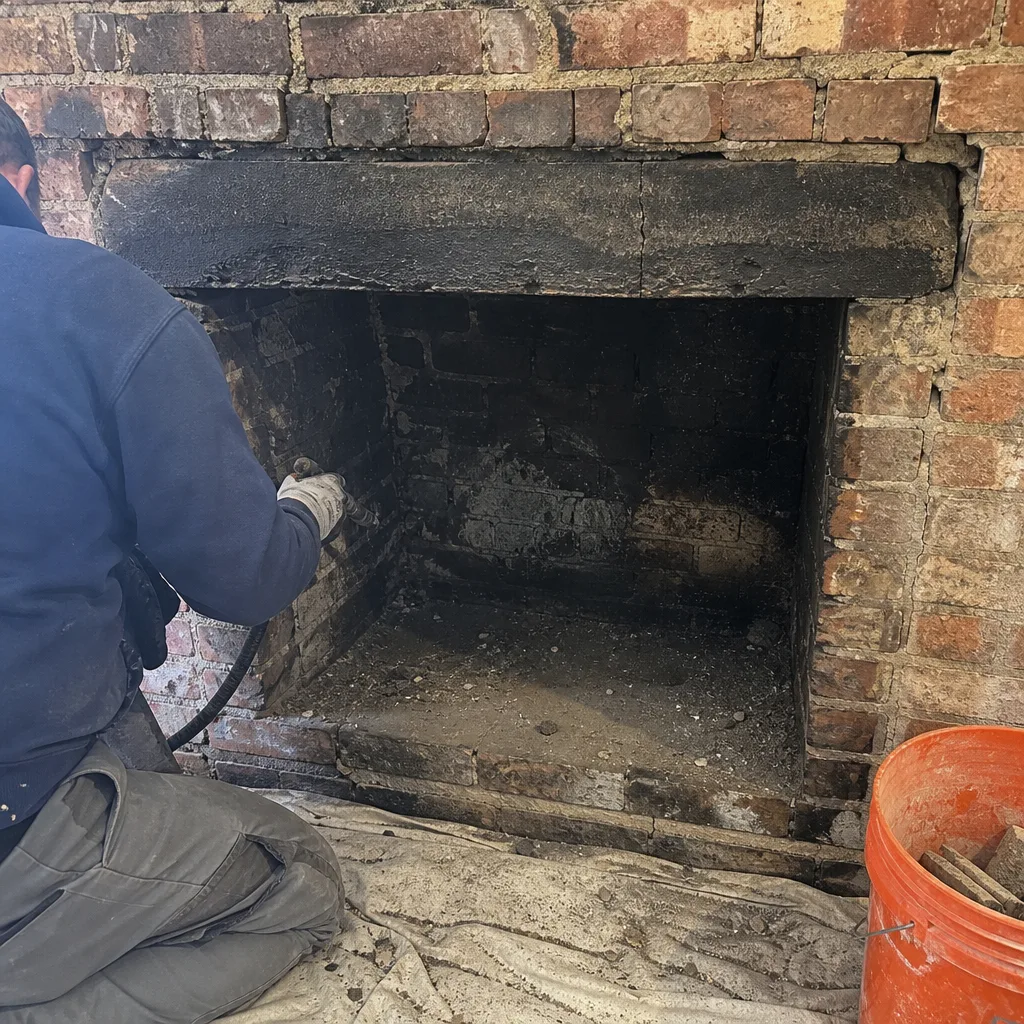 Before
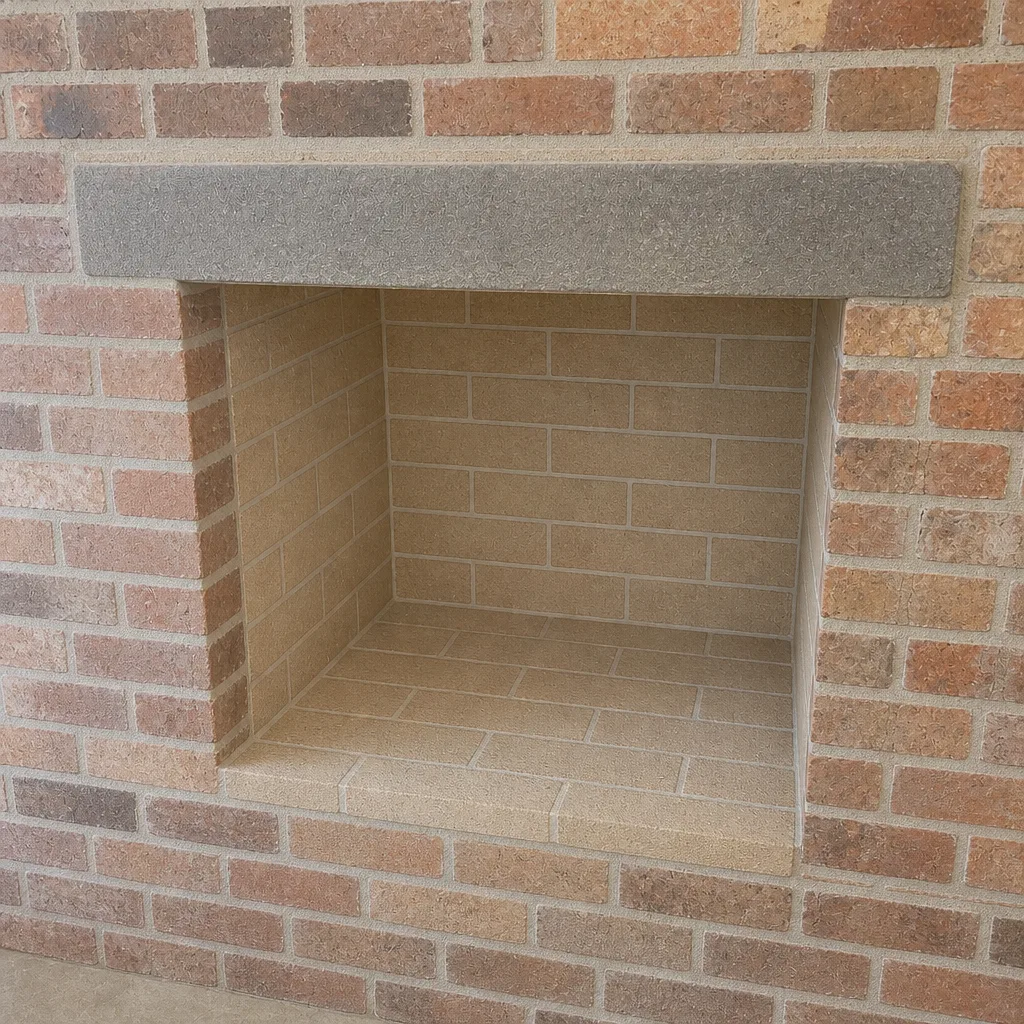 After
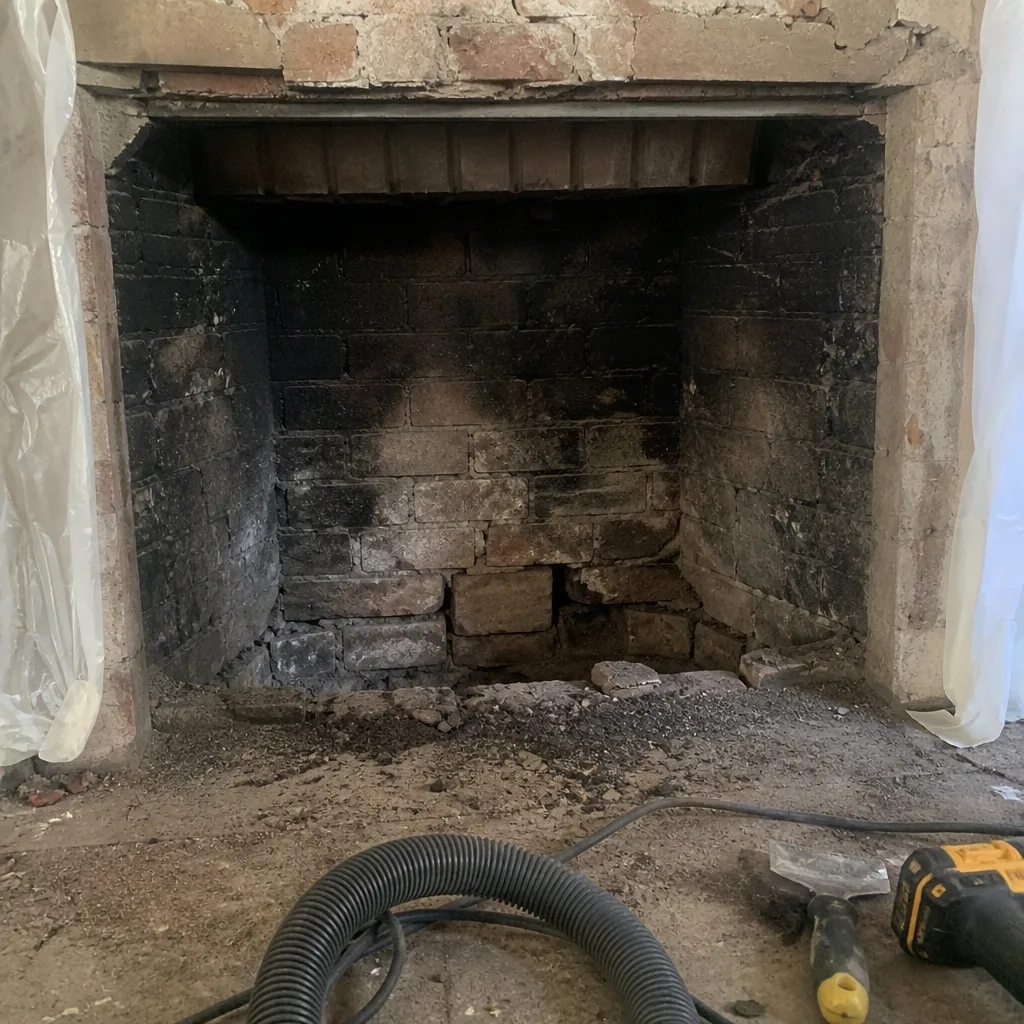 Before
 After
 Before
 After
When to Call a Professional
Some things are a phone call, and some are a 911 call. Call 911 immediately if you see flames or dense smoke at the chimney top, hear a roar or popping from the flue, smell an acrid burning smell, or feel heat radiating from the chimney walls. That’s an active chimney fire, and getting out and calling is the whole response. For everything short of that, call us: after any chimney fire, before the first burn of the season, if you notice smoke backing into the room or a weak draft, if you can see a cracked crown or missing cap, or if it’s been more than a year since the flue was inspected. Chimney Sweep Borough Park offers free estimates in Borough Park – call (833) 554-1032. We answer 24/7. Fast dispatch from 7am to 7pm, Sunday through Friday.
Frequently Asked Questions
Yes. In attached and semi-attached buildings, a chimney on or near a party wall can transmit heat through the shared masonry into the adjoining unit. That’s why alerting your neighbors is part of the emergency response here, and why a post-event inspection should check the party-wall side, not just your own flue.
Say “chimney fire” first, then give the address and unit, the building type (attached, semi-attached, or detached), whether it’s masonry or a metal flue, whether it’s a fireplace or an oil/gas flue, what you see and hear, and whether the chimney is on a shared party wall. Tell them if you haven’t yet warned the adjoining units. Clear detail gets the right equipment sent.
Yes. A Level 2 inspection is the only reliable way to know whether the liner cracked, the flue warped, or the masonry around it was damaged. It includes a camera inspection of the flue interior. Relighting before that inspection risks a second fire, or carbon monoxide into the wall cavity. Call (833) 554-1032 to book one.
Once a year is the standard for a wood-burning fireplace in regular use, and it should always be done before the heating season starts. If you moved in recently or you’re not sure when it was last done, book a sweep and inspection before the first fire. Call (833) 554-1032 for an exact quote – estimates are free.
A draft problem means smoke backs into the room, the fire burns poorly, and it smells of smoke, with no roar, acrid smell, or heat from the masonry. A chimney fire has sound (roar or popping), an acrid burning smell, and often visible smoke or flames at the top. If you have the fire signs, call 911 and get out; if it’s a draft, book a sweep and let us diagnose it.
Creosote builds up in the flue and becomes fuel for a chimney fire, and a damaged liner or chimney goes unnoticed. In a dense Borough Park block, an unchecked flue is a risk to more than one household. A routine chimney sweep and inspection is the simplest way to prevent both problems. Call (833) 554-1032 for an exact quote – estimates are free.
The Bottom Line
Chimney emergencies in Borough Park aren’t a single-household affair. Recognize the active fire by sound, smell, and heat, not just flames; get everyone out; call 911 with your building and chimney details; and warn your attached neighbors as you leave. Never open the damper wide to feed it air, and never relight until a Level 2 inspection confirms the liner, joints, and shared wall are intact. Then do the unglamorous work before each season: sweep, inspect, check the cap and crown, test the CO alarms, and know your exits. That preparation is what turns a potential emergency into a routine maintenance item.
Call (833) 554-1032 for a free estimate. We answer 24/7. Fast dispatch from 7am to 7pm, Sunday through Friday. Inspection first, recommendation second, and nothing recommended without camera evidence you can see.
Written by the team at Chimney Sweep Borough Park.