
Last updated November 22, 2026
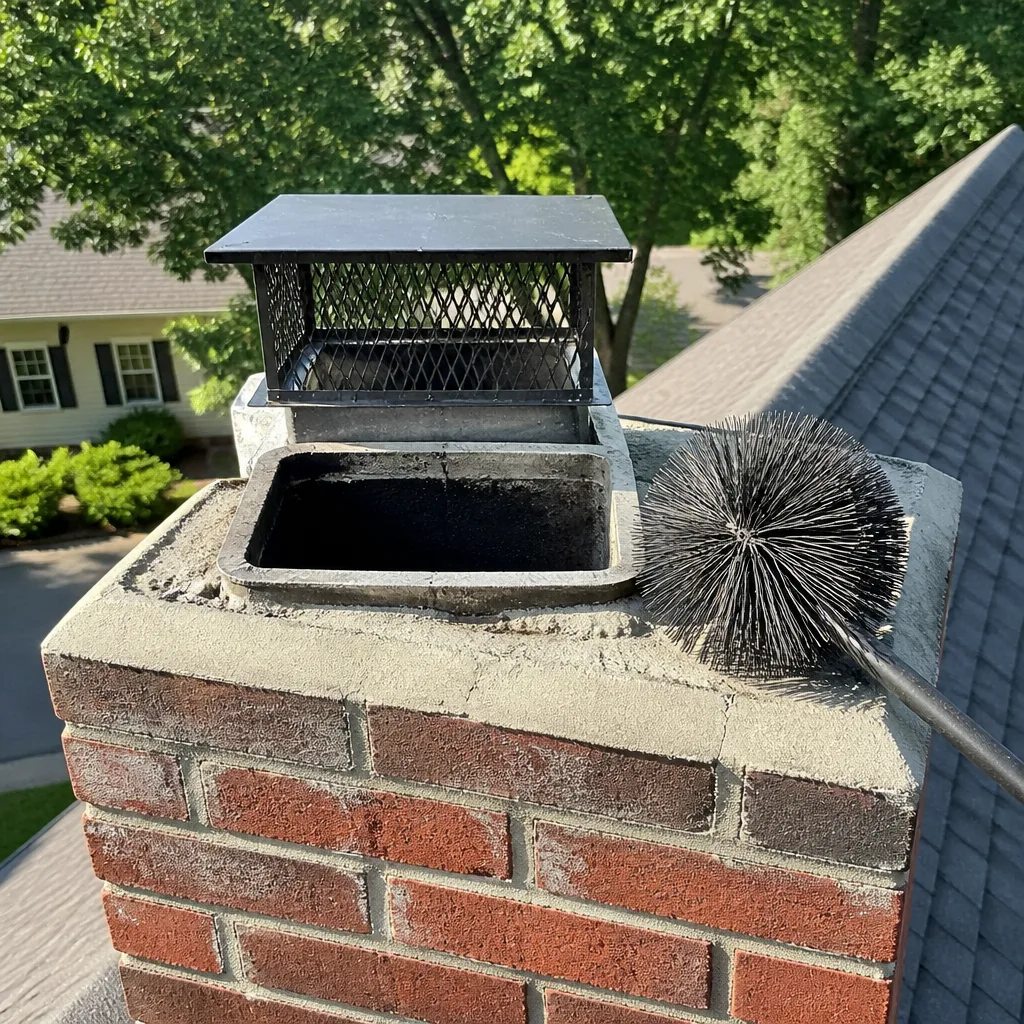 Sweep & inspection
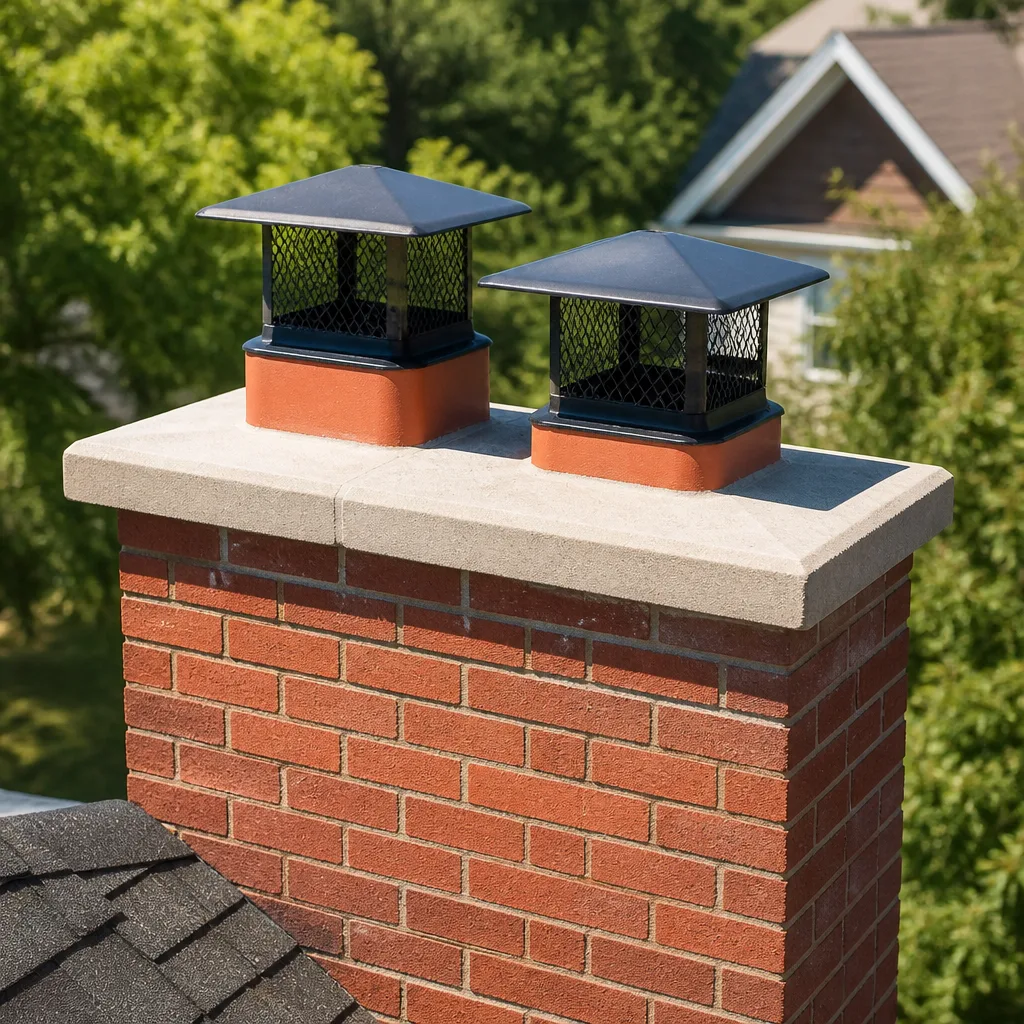 Caps & crowns
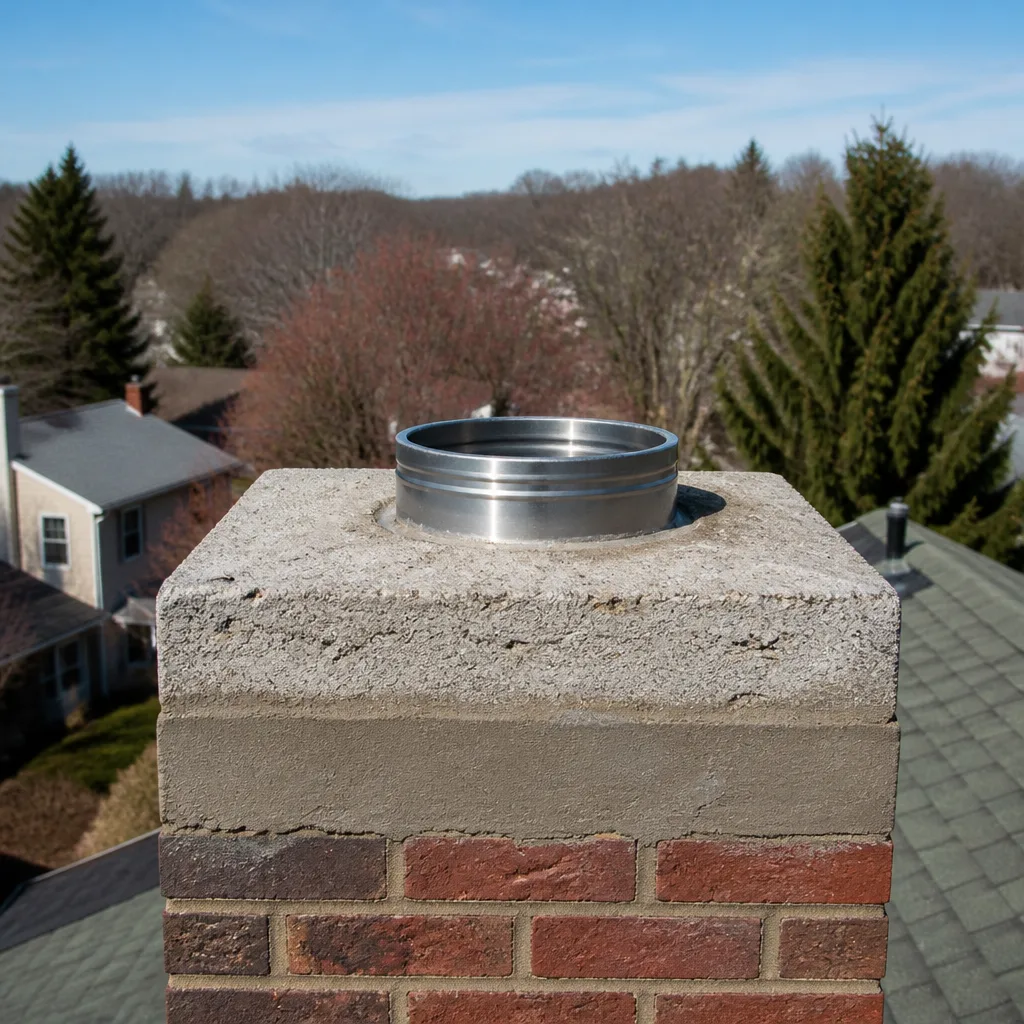 Flue relining
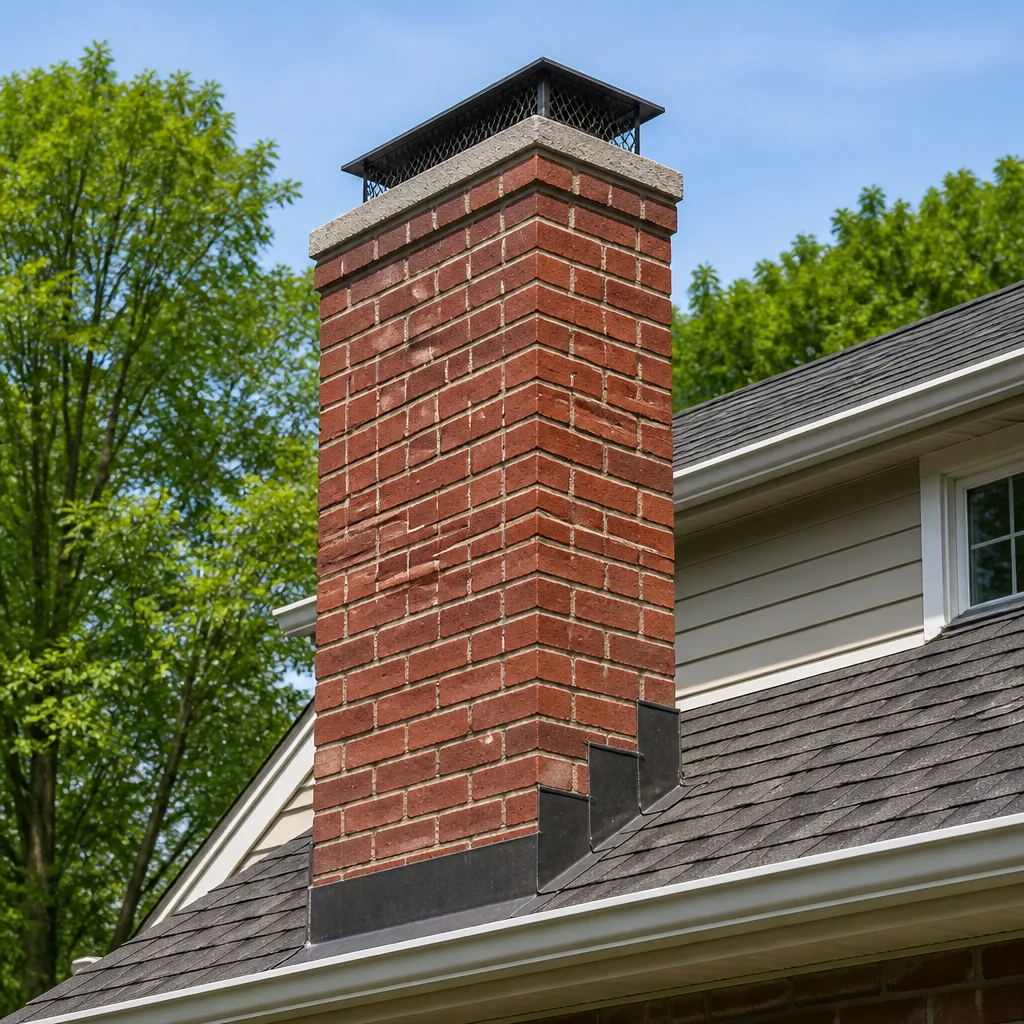 Masonry repair
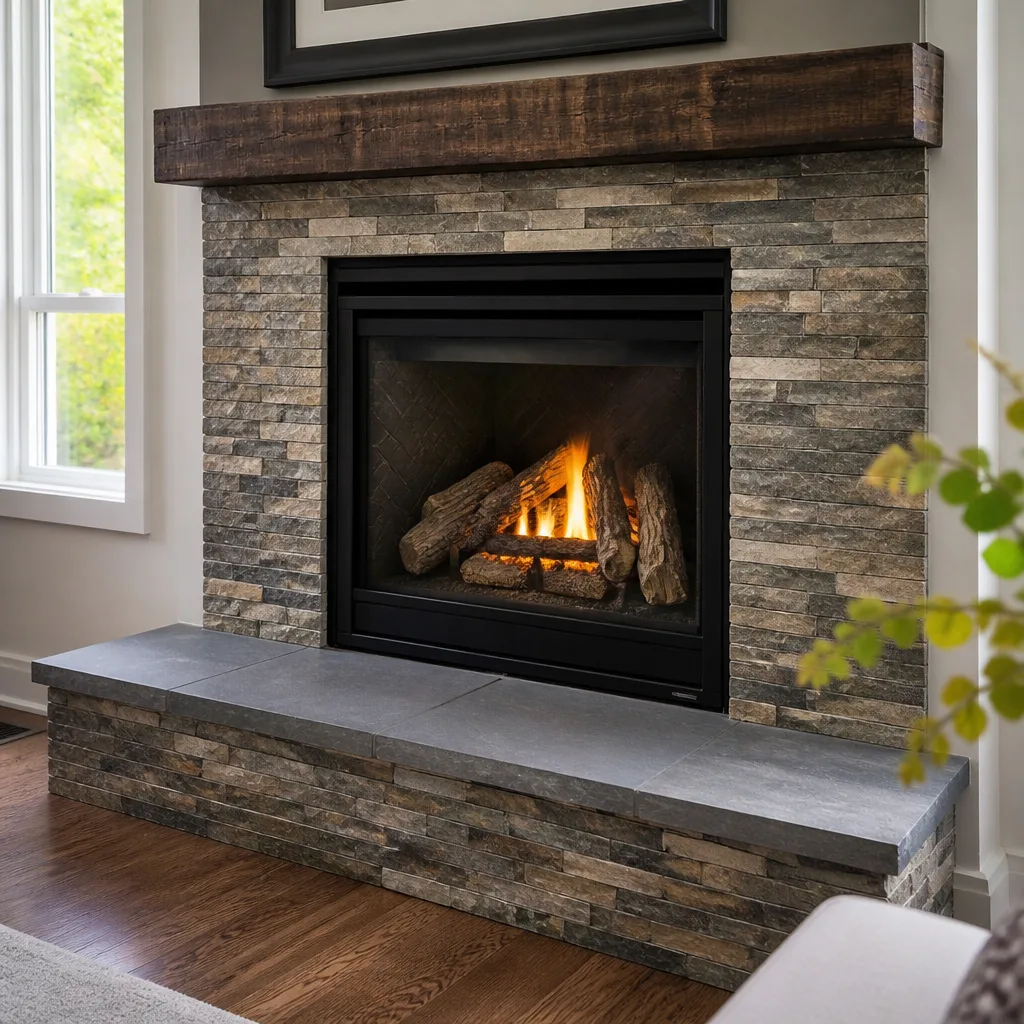 Gas fireplace service
Level 1 sweep and inspection to the NFPA 211 annual standard - flue, crown, cap, and flashing checked and photographed
Chimney sweep logs do not sweep chimneys. They loosen some creosote - which then falls where a brush and vacuum still have to collect it.
Choosing the Right Chimney Cleaning Brand: A Buyer’s Guide for Borough Park
Most homeowners judge a chimney recommendation by the name on the box, and that is exactly the wrong place to look. There are four common stainless steel alloy grades used in chimney liner systems, and the gap between 304 and 316L isn’t marketing – it’s the difference between a liner that handles condensing gas appliance byproducts and one that corrodes within a few years of that exposure. When a sweep in Borough Park names a brand, the name tells you almost nothing about which alloy, which joint design, or which exposure rating you’re actually getting. This guide explains what professional-grade really means across the four product categories that matter most – liners, caps, crown sealants, and creosote treatments – and how to ask for a spec sheet instead of a brand story. We’re Chimney Sweep Borough Park, and we wrote this because the question comes up on nearly every job.
Quick Answer
A “professional-grade” chimney product is one where the manufacturer publishes an alloy spec, a temperature rating, and a joint or coating standard you can request in writing – not just a familiar brand name on a catalog page. For liners, that means knowing whether you’re getting 304, 316, 316L, or 321 stainless and how the seams are joined. For caps and crowns, it means matching material to Borough Park’s freeze-thaw winters. Ask any sweep to justify a recommendation by spec sheet. A real chimney professional will welcome the question.
Styles & brands we work with
- Sweep & inspection
- Caps & crowns
- Flue relining
- Masonry repair
- Gas fireplace service
Table of Contents
- What “professional-grade” actually means in chimney products
- Liner systems: alloy spec and joint construction
- Chimney caps: galvanized vs. stainless vs. copper
- Crown sealants and waterproofing: what elastomeric really means
- Creosote removal products: which are legitimate pre-treatments
- How to ask for a spec sheet, not a brand name
- The brands we stock and why they matter
- Why inspection comes before any product recommendation
What “Professional-grade” Actually Means in Chimney Products
Walk through the chimney aisle of any big-box store and you’ll find caps, sealants, and even flexible liner kits that look broadly similar to what a professional sweep installs. The word “professional-grade” gets thrown around by both, so it pays to know what the phrase buys you when it’s real.
A genuinely professional-grade product is one that publishes three things: a material specification (alloy grade, coating class, or polymer type), a rated exposure or temperature range, and a construction standard (how seams are joined, how thick the metal is, whether a coating is rated for exterior or interior use). A product that only publishes a brand name and a picture is asking you to trust a label. A product that publishes all three is asking you to evaluate a spec. You want the second kind.
We work exclusively with recognized trade-grade manufacturers – DuraFlex, HeatShield, Gelco, Olympia Chimney, Famco, and Copperfield – because those manufacturers publish this information. It isn’t a knock on every hardware-store product. It’s a filter. When a homeowner in Borough Park asks why we specify a particular system, we can point to a spec sheet rather than a slogan.
Quick rule of thumb: If a sweep can’t tell you the alloy grade, coating type, or seam construction of the product they’re recommending, they may still be recommending a fine product – they just can’t prove it. That’s the opening to ask for a spec sheet.
Liner Systems: Alloy Spec and Joint Construction
The flexible stainless liner is the single most consequential chimney product a homeowner is likely to buy, and it’s the one most often reduced to a brand name. A liner kit is not just “a stainless tube.” It’s a specification: an alloy grade, a wall thickness, a joint design, and a length. Two liners in the same catalog can differ enough to change what appliances they can safely vent.
Why the alloy grade matters more than the finish
The four common grades you’ll encounter are 304, 316, 316L, and 321. In practice:
- 304 stainless is the workhorse grade. It handles traditional wood-burning and most oil flues well, and it’s the most common alloy in budget-friendly kits.
- 316 stainless adds molybdenum, which improves resistance to chlorides and the acidic condensate that forms with certain fuels.
- 316L is a lower-carbon variant of 316, chosen when welding at the joints is involved because the lower carbon reduces the risk of sensitization – a metallurgical change that makes the weld zone less corrosion-resistant than the parent metal.
- 321 stainless is stabilized with titanium, which is useful in higher-temperature and cyclical-heating applications.
Here’s the part most homeowners never hear: a 304 liner is not wrong for every job, and a 316L liner is not automatically better. It depends on what’s being vented. A condensing gas appliance, an oil flue with sulfur-bearing fuel, and a wood-burning fireplace stress a liner in very different ways. The spec has to match the appliance, not the price tier.
Joint construction: the detail that fails silently
Flexible liners are joined in one of three ways: a continuous seam, a riveted seam, or a locked seam with a sealant. Continuous-seam liners are the most leak-resistant and the least likely to fail at a joint. Riveted liners are cheaper to make and easier to damage. Ask what kind of seam is being installed and whether the manufacturer warrants the joint as a leak point. That question alone separates a specification conversation from a sales pitch.
When a full relining job is the answer, we handle it in-house with DuraFlex flexible liner systems rather than handing it to a second contractor. That keeps one crew accountable from the flue to the firebox – and keeps the spec conversation in one place. If you’ve been told you need relining, read more about our chimney repair scope and what a pre-installation inspection involves before you agree to anything.
Chimney Caps: Galvanized vs. Stainless vs. Copper
A chimney cap is the cheapest line item in most quotes and quietly the one that decides whether water gets into your flue. The three materials you’ll see – galvanized steel, stainless steel, and copper – behave very differently in Borough Park’s winters, where freeze-thaw cycles are the main driver of early cap failure.
What differs between the three
- Galvanized steel is zinc-coated carbon steel. The coating is a sacrificial layer, and once it’s breached – often at a cut edge, a fastener, or a bend – rust begins. In a freeze-thaw environment, that’s the beginning of a short life. The cheapest cap you can buy is often the one you replace soonest.
- Stainless steel is a through-material, not a coating. It has no zinc layer to lose, and a well-made stainless cap can last many seasons in a wet, freezing climate. This is the sensible baseline for most residential chimneys.
- Copper is the longest-lived option and the one that weathers into a patina. It’s a premium choice when longevity or appearance matters, and it’s genuinely appropriate on some masonry chimneys where the cap is visible from the street.
A cap is also a functional component, not decoration. It keeps rain and snow melt out of the flue, and it’s typically paired with a spark arrestor or a bird screen. When we install chimney cap & crown work, the material choice is part of the estimate conversation, not an upsell tacked on at the end.
What to ask before you buy a cap
- What is the gauge of the steel, and is it stainless or galvanized?
- Is the screen welded or crimped, and is the screen itself stainless?
- How is the cap attached – screws into the flue tile, a clamp, or a masonry anchor?
- Does the manufacturer specify a corrosion warranty, and if so, is it in writing?
Crown Sealants and Waterproofing: What “Elastomeric” Really Means
The word “elastomeric” gets printed on a lot of buckets, and in the chimney trade it means something specific: the cured product can stretch and return without cracking, which matters on a masonry crown that expands and contracts through a Borough Park winter. A non-elastomeric sealant or a cement that’s been painted with the wrong product will hairline-crack and let water in – often in the first season.
How to tell a real exterior product from an interior one
Waterproofing products for masonry are rated for either above-grade or below-grade exposure. Above-grade means the product is intended for surfaces exposed to weather – rain, snow melt, freeze-thaw cycling. Below-grade products are designed for foundation walls in soil contact and are not the right product for a crown or an exterior chimney face. Check the data sheet for the phrase “above-grade” or “vertical masonry” and the rated temperature range.
The other half of the question is preparation. A sealant that goes on over a dirty, spalling crown won’t hold. The right sequence is:
- Inspect the crown for cracks, separation from the flue, and spalling.
- Remove failed sealant and loose masonry.
- Repair the underlying damage – not just coat over it.
- Apply a product rated for above-grade exterior masonry.
- Confirm cure time before the next rain or freeze.
This is where a generic sweep and a specialist diverge. A chimney company that only sweeps doesn’t have a method for crown repair – it refers it out. Our chimney repair scope covers crown and masonry work so the crown is diagnosed and repaired by the same people who inspected it. Heating oil is still common on many blocks in Borough Park, and an oil flue has its own condensate chemistry – one more reason to match the sealant and repair method to the fuel, not just to the aesthetics of the crown.
Creosote Removal Products: Which Are Legitimate Pre-treatments
The chemical aisle for creosote gets crowded and confusing. Some products are legitimate pre-cleaning treatments that make mechanical removal easier. Others are marketed as if they remove creosote on their own. That second category is where homeowners get misled.
What’s legitimate
- Creosote conditioners or “sweeping aids” are applied to a hot fire and change the creosote’s texture, making it more brittle so mechanical sweeping removes more of it. They are a prep step, not a substitute for the sweep.
- Creosote removers for glazed deposits are stronger formulations used when stage-three glazed creosote has formed. Even these are typically followed by mechanical action; the chemical loosens the deposit so a rotary brush can break it down.
- Anti-creosote additives marketed for ongoing use are more varied. Ask what the active chemistry is and what it does to the deposit, not what it does to a fire.
What isn’t
Any product that claims to remove heavy creosote without brushing is worth treating with suspicion. Glazed creosote is hard and baked on; it responds to mechanical abrasion. A chemical product can help a sweep work more effectively, but it doesn’t replace the brush, and any company that recommends a “creosote-removal” treatment as a standalone service instead of a sweep is worth questioning.
The reason this matters in Borough Park is the wood-burning fireplace itself. Cool, smoky fires and damp wood produce creosote faster, and New York’s cold season runs long enough that creosote builds up inside a flue that hasn’t been swept since spring. If your last chimney sweep was more than a season ago, an inspection is the place to start – not a chemical product.
How to Ask for a Spec Sheet, Not a Brand Name
This is the core skill this guide is trying to hand you. When a sweep recommends a product, you’re not being difficult by asking a technical question – you’re doing what a professional in any trade would want a homeowner to do. Here’s a short script that turns a sales conversation into a spec conversation.
- “What alloy grade is this liner?” If the answer is “stainless,” ask which stainless – 304, 316, 316L, or 321.
- “How is the seam joined, and is it warranted?” You’re checking whether the joint is a leak point.
- “What is the manufacturer’s rated exposure or temperature for this product?” If they can’t answer, ask to see the data sheet.
- “Is this product rated for above-grade exterior masonry?” The question to ask about any crown sealant or waterproofing product.
- “What’s the prep sequence, and what does the repair include?” A coat over a failing crown is not a repair.
- “Can I have the spec sheet in writing before I book?” A professional will send it. A reluctant one is telling you something.
None of this requires you to understand metallurgy. It requires the person recommending the product to be able to justify it by specification. In our experience, a sweep who specifies trade-grade materials will hand over the spec sheet before you ask – because the spec is the reason they chose the product. That’s the standard any homeowner in Borough Park should expect, regardless of which company they hire.
The Brands We Stock and Why They Matter
We’ve been asked which brands we use, so let’s answer directly. We install and work with DuraFlex for flexible liner systems, HeatShield for liner resurfacing, and we also work with Gelco, Olympia Chimney, Famco, and Copperfield across caps, crowns, and components. Not every product in every one of those lines is right for every chimney. The brand name is a starting point, not a recommendation by itself.
HeatShield deserves a note because it’s the category that separates a specialist from a sweep. HeatShield is a liner resurfacing system that restores a masonry flue from the inside – a method many chimney companies simply cannot offer because they aren’t equipped or trained for it. It isn’t the right answer for every failing flue; sometimes a full reline is the honest call. But when resurfacing is appropriate, it can solve a structural problem without a full replacement, and offering it is a capability question, not a brand pitch.
The broader point is that these are the kinds of manufacturers a certified chimney professional across the country specifies – because they publish specifications that can be checked. A brand is only as good as the spec behind it and the crew installing it. That’s why we do liner work in-house rather than subcontracting it, and why we don’t hand off crown or fireplace work to a general contractor.
Why Inspection Comes Before Any Product Recommendation
No responsible recommendation can happen before an inspection. A “quick look” bundled into a sweep is not an inspection; it’s a glance. A formal chimney inspection is a documented assessment of the entire venting system – flue, liner, crown, cap, firebox, and damper – with findings you can review before any product or repair is recommended.
This is the pattern we follow on every job in Borough Park: inspection first, recommendation second. When we tell a homeowner they need a liner, a crown repair, or a HeatShield application, we show them the evidence from the inspection – photos, notes, measurable findings. If the work can safely wait, we say so. That’s the answer to the real hesitation most homeowners have when a sweep tells them they need thousands of dollars of work: they have no way to verify it. A documented inspection gives them that way. Nothing gets recommended that isn’t backed by evidence they can see for themselves.
For a full inspection as a standalone service, that’s what we do – not a “free look” tacked onto a sweep. If you’ve scheduled a cleaning and want an inspection at the same visit, tell us when you book. If you’ve been told you need relining and want a second opinion, we’ll inspect and write up findings the same way.
Common Mistakes to Avoid
- Picking the cheapest cap. A galvanized cap over a Borough Park flue sees freeze-thaw cycles that strip the zinc coating at fasteners and cut edges. The first two or three winters are usually fine; the fourth is where the rust starts. Stainless is the sensible baseline.
- Accepting “stainless” as an answer. “Stainless” is not a specification. Ask the grade – 304, 316, 316L, or 321 – and ask what appliance the liner is rated to vent.
- Letting a sealant stand in for a repair. Painting a failing crown with an elastomeric product without fixing the underlying crack or separation doesn’t solve the water problem. It postpones it, often into the next freeze.
- Believing a chemical product removes creosote on its own. Conditioners and removers are legitimate pre-treatments for a scheduled sweep. They aren’t a substitute for the brush.
- Skipping the inspection because you had a sweep. A sweep cleans the flue. It doesn’t assess the crown, cap, damper, or firebox condition unless it’s part of a documented inspection.
- Taking a brand name as a specification. Familiar name on the box doesn’t tell you the alloy, the seam, or the exposure rating. Ask for the spec sheet in writing before you book.
- Agreeing to relining without seeing the evidence. A liner recommendation should come with inspection findings you can review. If it doesn’t, ask for them – the work can safely wait until you’ve seen them.
See the difference
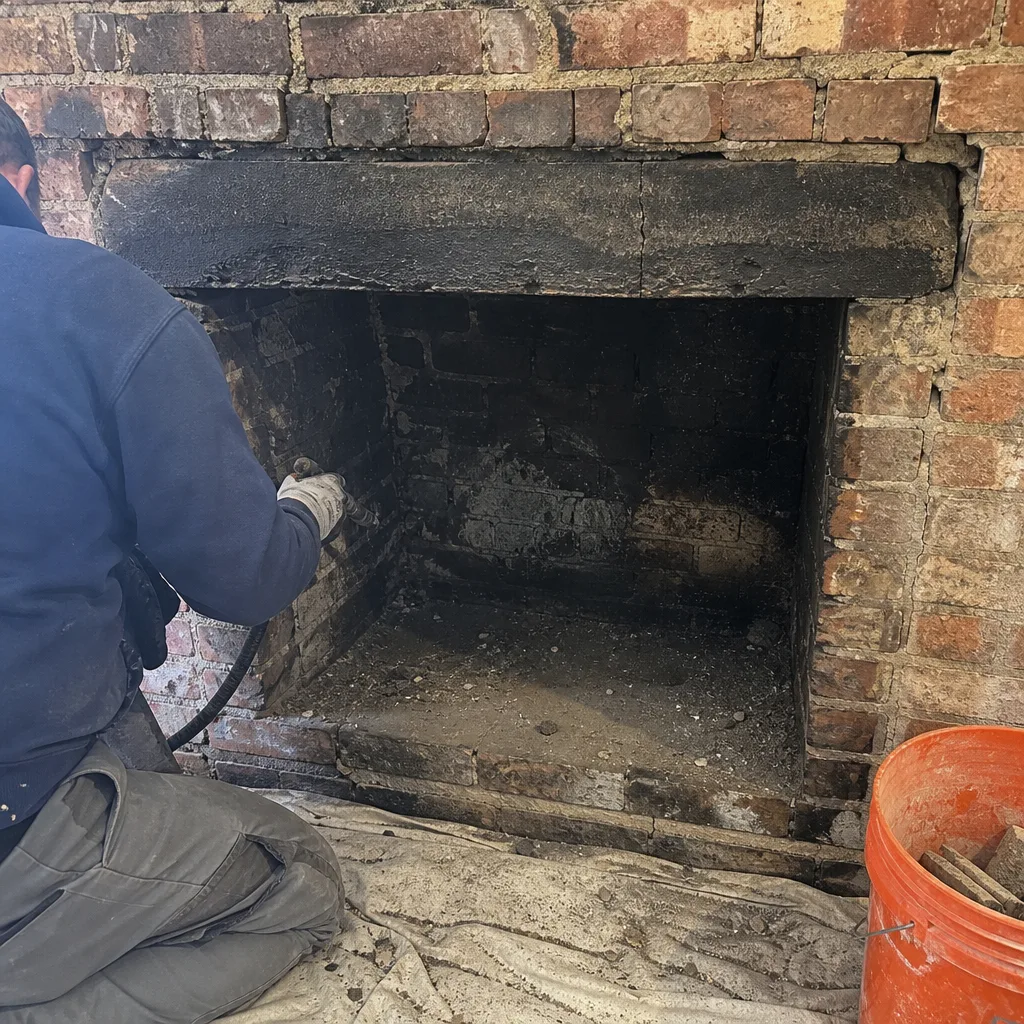 Before
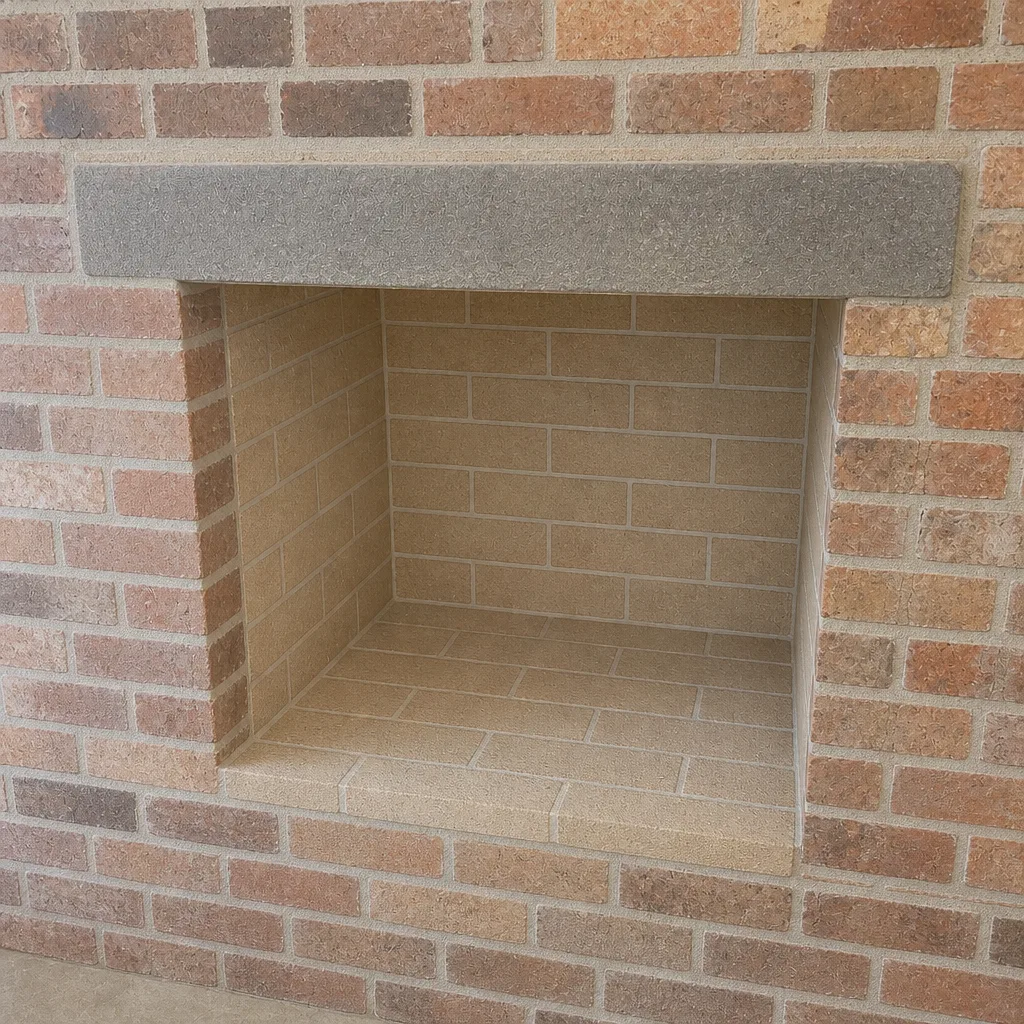 After
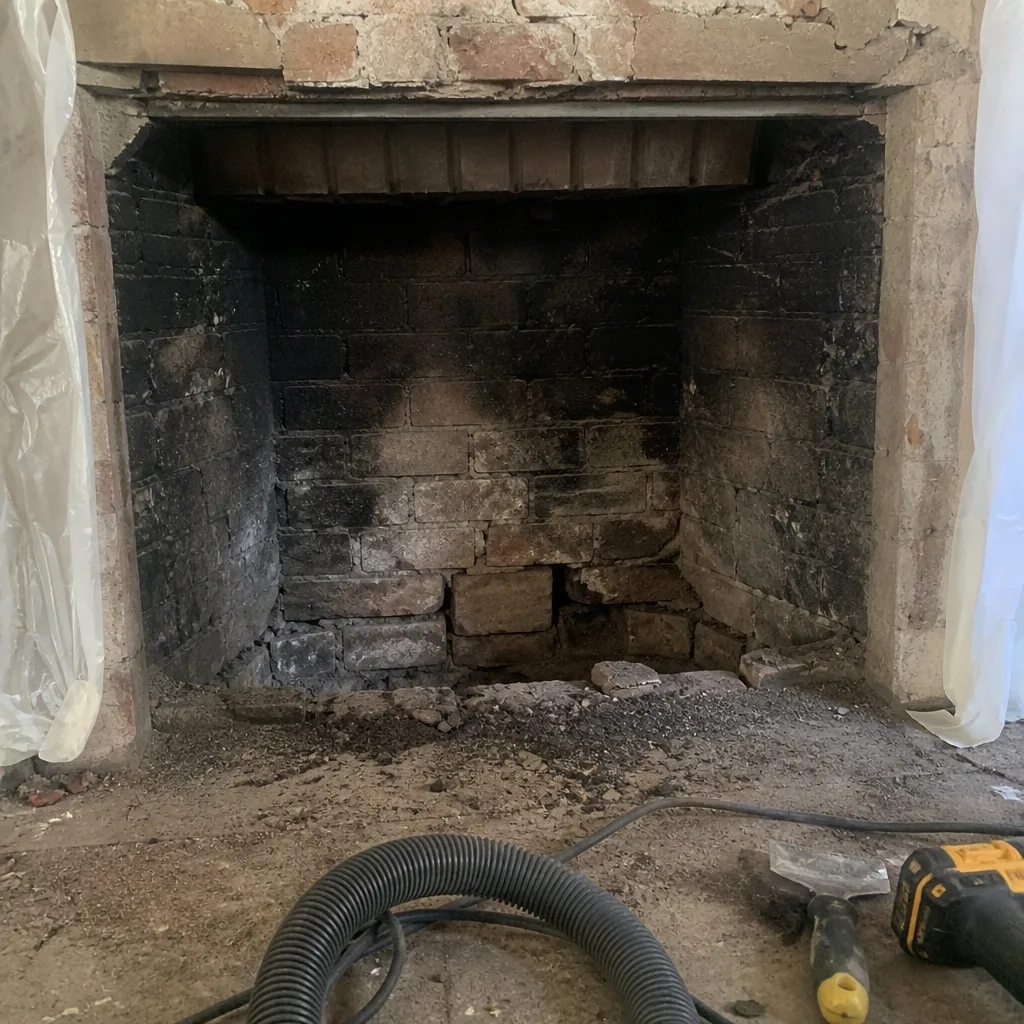 Before
 After
 Before
 After
When to Call a Professional
A chimney is one of the few parts of a home where a wrong product choice or a skipped inspection can go wrong quietly for years. Call a professional if you’ve moved into a home with a fireplace and don’t know when the flue was last inspected, if your last sweep was more than a season ago, if you’ve noticed staining on the ceiling near the chimney, if the crown is cracked or the cap is rusting, or if a sweep has recommended a liner or HeatShield application and you want the recommendation backed by a documented inspection. Those are the situations where a spec sheet and an inspection report are worth more than a bid. Chimney Sweep Borough Park offers free estimates in Borough Park – call (833) 554-1032. We answer 24/7. Fast dispatch from 7am to 7pm, Sunday through Friday.
Frequently Asked Questions
304 stainless is a general-purpose grade that handles traditional wood and most oil flues well; 316L is a lower-carbon variant of 316 stainless that’s chosen when welded joints are involved and when acidic condensate or chlorides are part of the exposure. The 316L designation means lower carbon, which reduces the risk of weld-zone sensitization. Neither is automatically better – the right grade depends on what the liner is venting. Ask your sweep to justify the grade against the appliance, then call (833) 554-1032 for a free estimate.
Galvanized steel relies on a zinc coating, and once that coating is breached at a fastener, a cut edge, or a bend, rust begins – and Borough Park’s freeze-thaw winters accelerate the cycle. In practice, a light galvanized cap often gets a limited number of seasons before it needs replacement. Stainless steel has no coating to lose, and copper outlasts both. Call (833) 554-1032 for a free estimate on a cap and crown upgrade.
No. Products marketed as creosote removers are legitimate as pre-treatments – they loosen or brittle the deposit so mechanical removal works better – but they do not substitute for brushing. Glazed, hard creosote responds to a rotary brush, not a bottle. If a company offers a chemical treatment as a standalone substitute for a sweep, ask for the spec sheet and think twice. Call (833) 554-1032 for a free estimate on a sweep and inspection.
Check the product’s data sheet for the phrase “above-grade” or “vertical masonry” and a rated exterior temperature range – that’s the rated-exposure language that separates an exterior product from a below-grade one. “Elastomeric” means the cured product stretches and returns without cracking, which matters on a crown that cycles through freeze-thaw. Also ask about the prep sequence – a sealant over an unrepaired crack is not a repair. Call (833) 554-1032 for a free estimate.
A formal inspection is a documented assessment of the entire venting system – flue, liner, crown, cap, firebox, and damper – with findings you can review. A “quick look” bundled into a sweep isn’t the same thing. If a sweep recommends a liner or HeatShield application, an inspection report is what lets you verify the recommendation. In Borough Park, we treat inspection as a standalone service, not a bundled glance. Call (833) 554-1032 for a free estimate.
HeatShield is a liner resurfacing system that restores a masonry flue from the inside without a full liner replacement – useful when the flue’s structure has failed but replacement isn’t the right call. It’s a capability many chimney companies simply don’t offer, which is why it’s a useful question to ask any sweep: can you resurface, or is replacement the only option you offer? A specialist should be able to explain when each method applies. Call (833) 554-1032 for a free estimate.
The Bottom Line
The brand on a chimney product is not the recommendation. The specification is. When a sweep in Borough Park recommends a liner, a cap, a crown sealant, or a creosote product, the right question is always the same: what is the alloy, the coating, the seam, the exposure rating, and the prep sequence? A professional-grade product publishes those things. A capable sweep welcomes the question and hands over the spec sheet. And no recommendation should happen before an inspection documents the findings. Trade-grade materials, properly installed, backed by evidence you can see – that’s the standard worth holding to, whichever company you hire. Read more about what a full chimney repair scope looks like, or start with a chimney sweep and inspection. Call (833) 554-1032 for a free estimate.
Written by the team at Chimney Sweep Borough Park.