
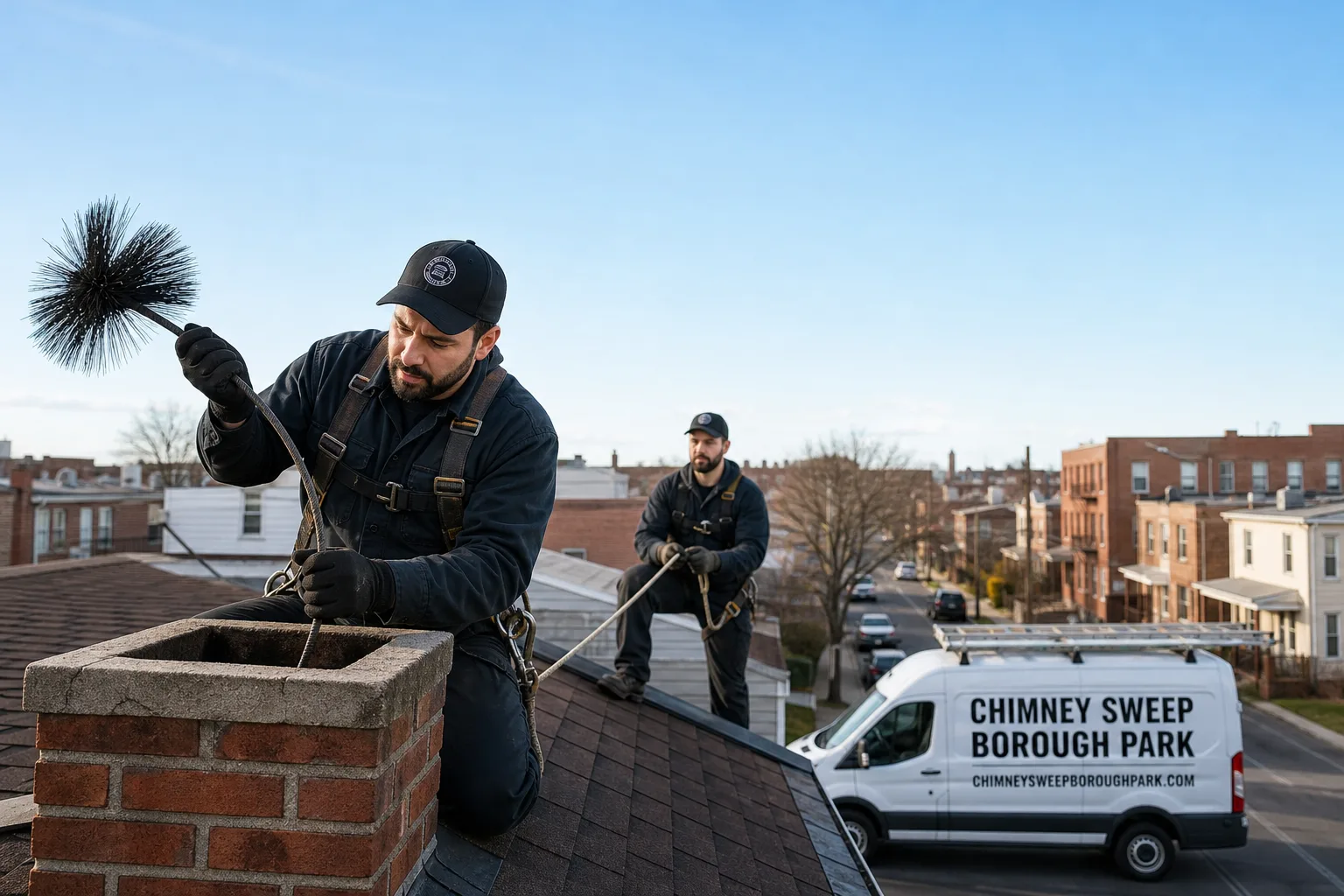
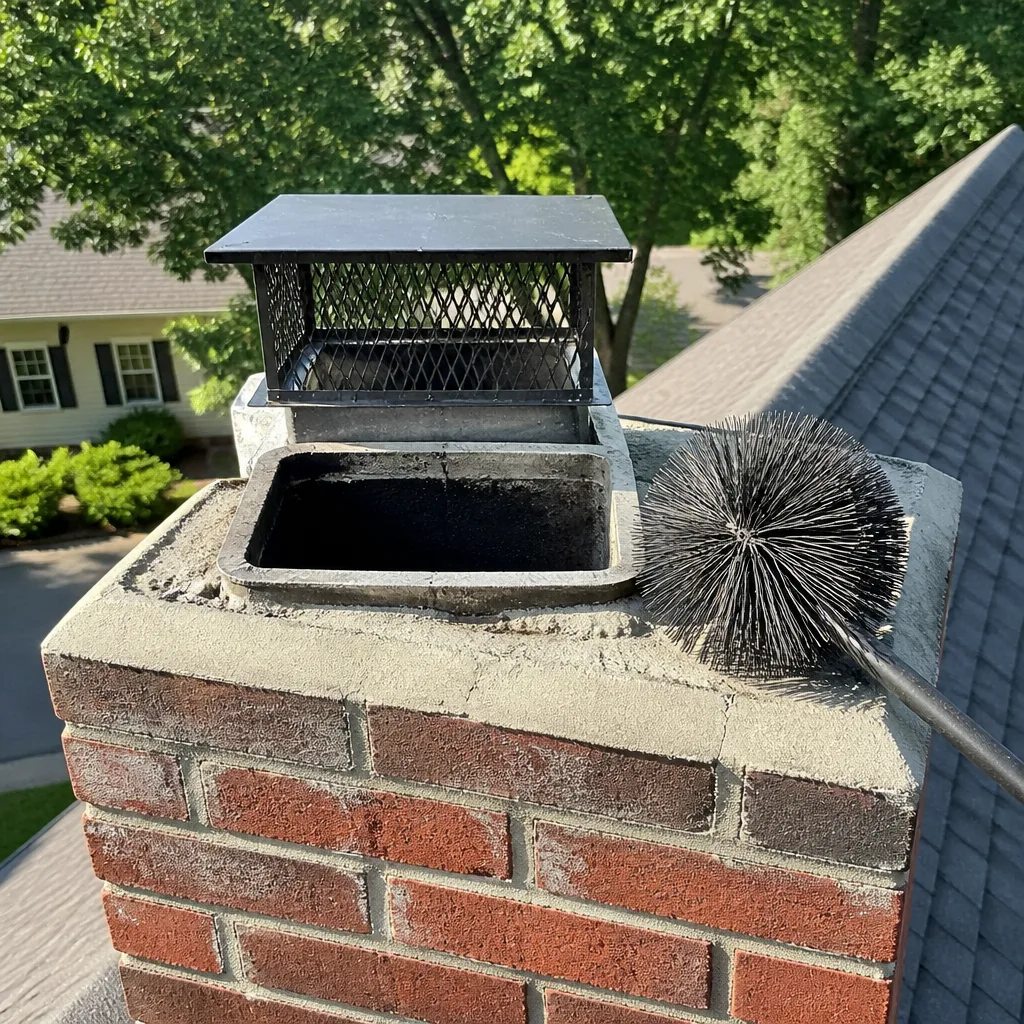
 Sweep & inspection
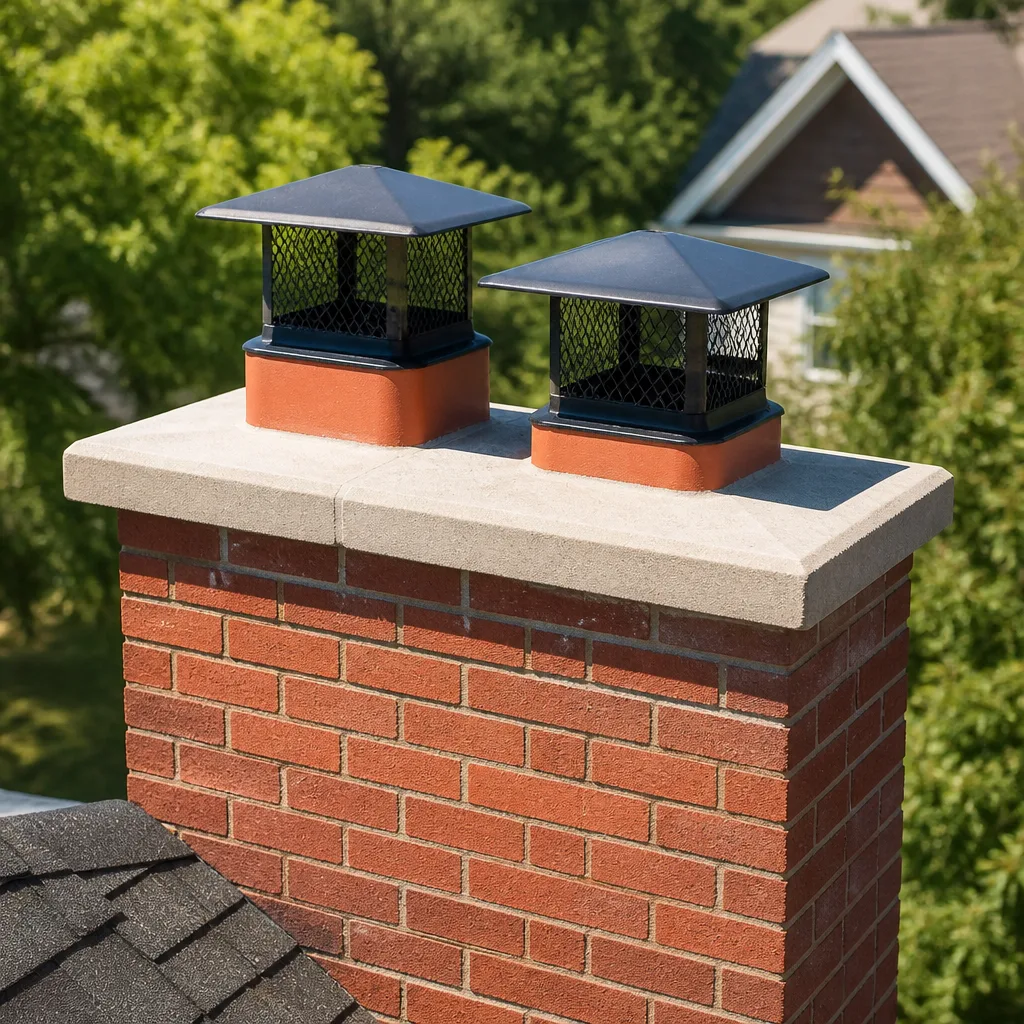 Caps & crowns
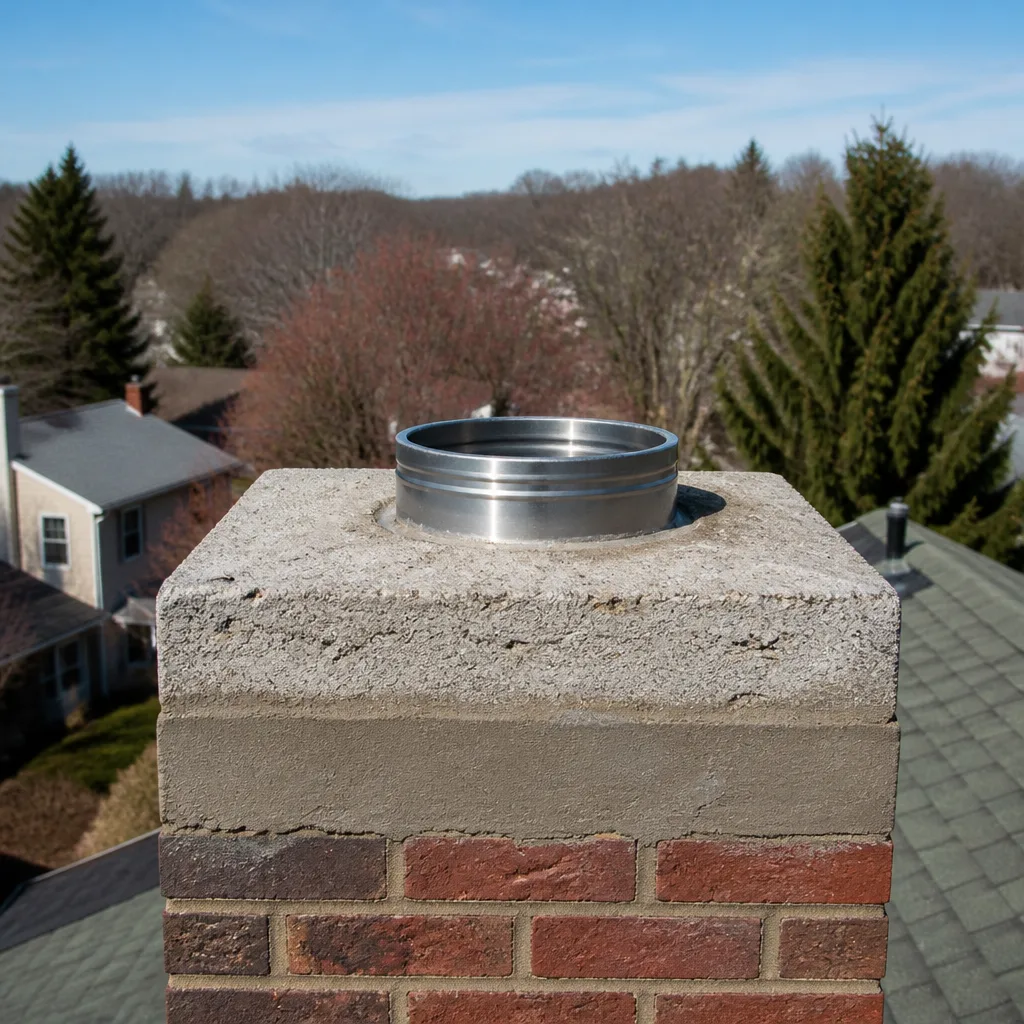 Flue relining
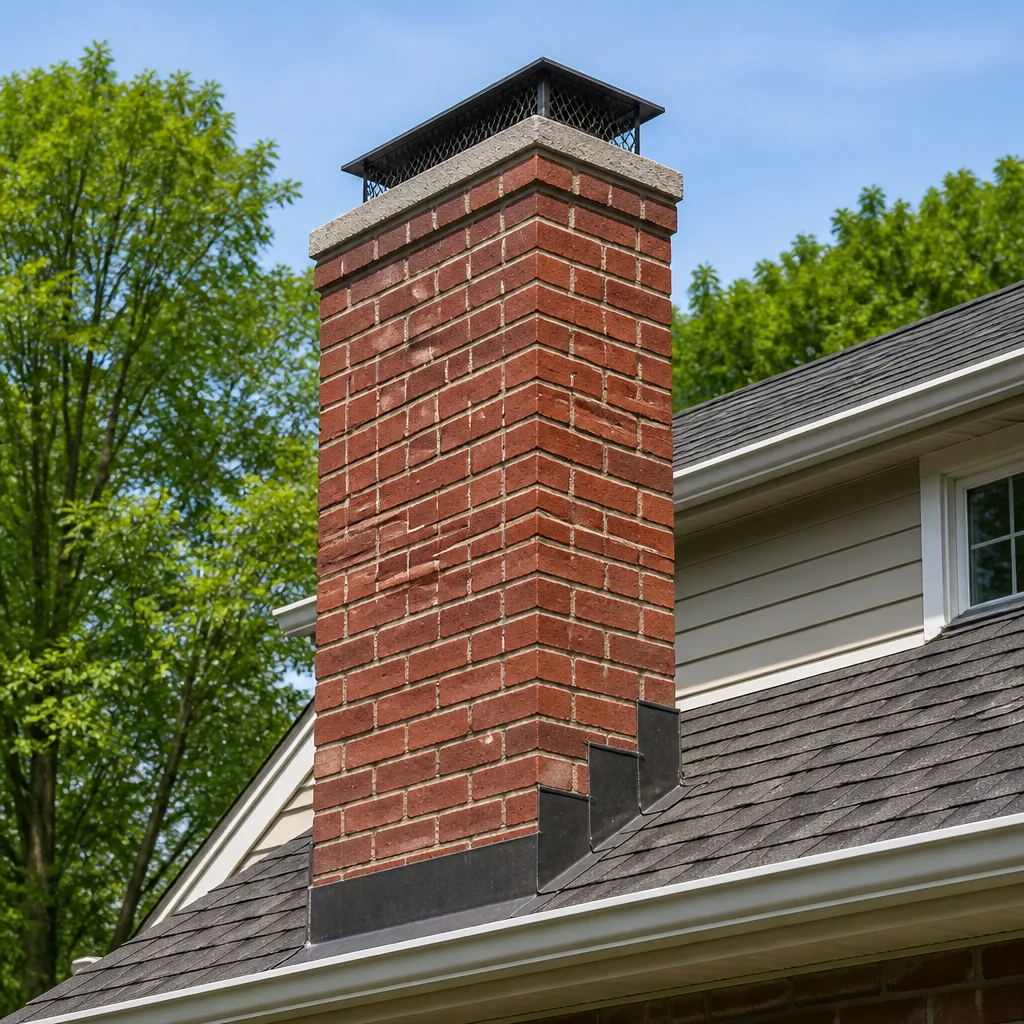 Masonry repair
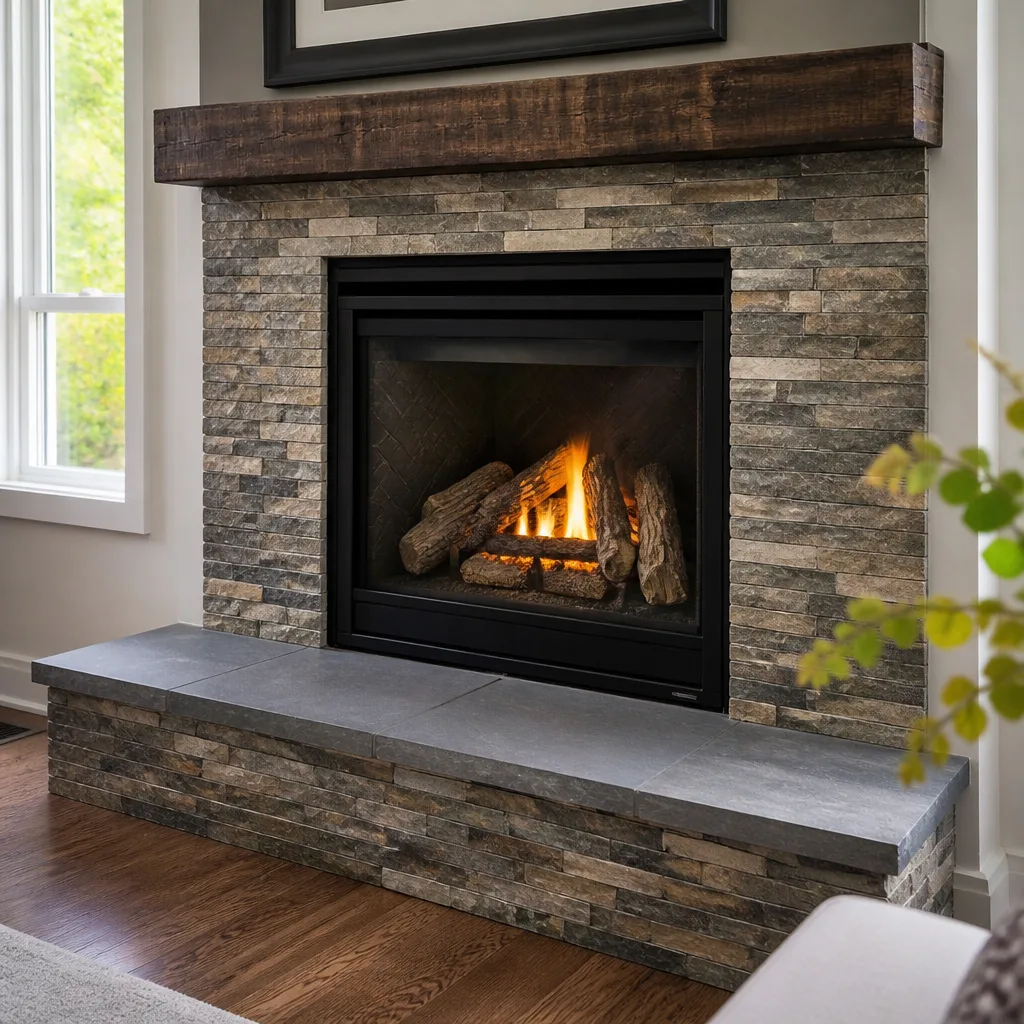 Gas fireplace service
Level 1 sweep and inspection to the NFPA 211 annual standard - flue, crown, cap, and flashing checked and photographed
Chimney sweep logs do not sweep chimneys. They loosen some creosote - which then falls where a brush and vacuum still have to collect it.
Fast, Reliable Chimney Inspection Across Park Slope
If you live in a Park Slope brownstone or rowhouse and your fireplace has started spilling smoke or your boiler flue smells off, a chimney inspection tells you what is actually happening inside the stack before anyone quotes a repair. We run a documented, inspection-first process for Park Slope homeowners: a named inspection with findings you can see, not a quick look sold as a cleaning. Our technicians have up to 9 years of experience working on the kind of century-old masonry common on these blocks. Call (833) 554-1032. We answer 24/7. Fast dispatch from 7am to 7pm, Sunday through Friday.
Why Park Slope Homeowners Call Chimney Sweep Borough Park for Chimney Inspection
Park Slope is not generic chimney territory. The housing stock here rewards a specialist who understands party walls, shared stacks, and the historic district rules that govern exterior work. When a homeowner on a block near Prospect Park West calls about smoke backing up, the answer is rarely just soot. It is usually a flue that has never been lined properly, or a mortar joint that has started to fail behind the brick.
Our inspection work is structured and written down. A reported cleaning call becomes a full assessment when the evidence points that way, because you deserve to see what we see before any recommendation is made. The brands we work with day to day on Park Slope jobs – Gelco, Olympia Chimney, and Copperfield among them – are the same trade-grade materials specified by certified chimney professionals nationwide, so a recommendation for a cap, a crown repair, or a liner is grounded in what actually fits here.
We serve Park Slope regularly enough to know its roof access quirks: the tight lots, the adjoining rooflines, the landmark status on street-facing slopes. That local knowledge changes how we plan an inspection and what we document. You get findings you can act on, not a sales walkthrough.
Styles & brands we work with
- Sweep & inspection
- Caps & crowns
- Flue relining
- Masonry repair
- Gas fireplace service
Our Chimney Inspection Services in Park Slope
Inspection first, recommendation second. That is the order we work in, and it matters more in Park Slope than in most places because the risk of missing something is higher when flues are shared and buildings are attached. Here is how each inspection level fits the Park Slope rowhouse and brownstone housing stock.
Level 1 Inspection in Park Slope
A Level 1 inspection covers the readily accessible parts of the chimney and firebox: the firebox itself, the damper, the smoke chamber, and the visible flue from below, plus the chimney exterior from the roof if it can be reached safely. For a Park Slope rowhouse that is already in use and has no known problem, this is usually the right starting point. It is the baseline check before the heating season, and it tells you quickly whether the flue can be used as-is.
Level 2 Inspection in Park Slope
A Level 2 inspection is what we reach for most often in Park Slope, and here is why. The tight lots and adjoining rooflines on these blocks frequently make ladder placement impossible from the street side, so the roof-side view has to come from a camera run through the flue instead. Level 2 also covers the parts of the chimney hidden behind finishes and inside the chase, which is exactly where party-wall shared stacks tend to hide their problems. When you are buying or selling a Park Slope property, a Level 2 is the right document to request.
Level 3 Inspection in Park Slope
A Level 3 inspection is the deep one. It is called for when a Level 1 or Level 2 turns up evidence that something is wrong in a concealed area, and confirming it means opening up part of the chimney or its surrounding construction. On century-old Park Slope masonry, that might mean investigating a section of the stack behind a wall or below the roofline where spalling or a dislodged liner is suspected. We do not recommend a Level 3 lightly, and we explain exactly what the inspection is meant to confirm before any opening is made.
Camera Inspection in Park Slope
Camera inspection is our most useful tool on a Park Slope job, and it earns its place here for one reason: the flue is not visible from the firebox, so the only honest way to see what is going on inside an original unlined brick flue is to run a camera down it. The video shows the cracks in mortar joints, the degree of creosote buildup, and the shape of the flue where a neighbor’s appliance ties into a shared stack. You watch the footage with us. Nothing gets recommended that you cannot see for yourself.
Trusted Brands We Service in Park Slope
When an inspection leads to a repair, the material matters as much as the diagnosis. We work exclusively with recognized trade-grade brands – Gelco, Olympia Chimney, Copperfield, DuraFlex, HeatShield, and Famco – and can explain where each one fits a Park Slope job. HeatShield is a resurfacing system for a liner that can be restored rather than replaced, which is often the right answer on a damaged clay-tile flue in a brownstone. DuraFlex flexible liner systems are what we reach for on a full relining. Whatever the fix, we carry the recommendation through to the installation under one company, so there is no handoff to a second contractor and no gap in accountability.
Common Chimney Inspection Problems We See in Park Slope Homes
Most Park Slope inspection requests land on one of these problems. The climate and the housing stock line up to produce them again and again.
- Party-wall flue cross-contamination. In a Park Slope rowhouse, a neighbor’s boiler or water heater often vents into the same chimney stack through the party wall. When that shared flue is compromised, flue gases or creosote odors can migrate into the adjacent unit, which is a problem you rarely encounter in detached suburban housing. An inspection has to include the neighboring tie-in, not just your side of the stack.
- Roof access limits on tight Park Slope streets. Narrow lots and adjoining rooflines often rule out safe ladder placement from the street, so the roof-side view of the chimney has to be captured with a camera run from the firebox. That is a Level 2 inspection, and it is the standard we default to when access is constrained.
- Historic-district rebuilds waiting on Landmarks approval. Much of Park Slope sits inside a historic district, so exterior chimney work on a street-facing slope, including a crown or flashing repair, needs Landmarks Preservation Commission sign-off before it can proceed. Inspections often end up documenting existing spalling and cracked crowns for a later compliant repair rather than fixing them on the spot.
- Original unlined brick flues with failed mortar joints. A lot of these 1880s to 1910s rowhouses still have their original single-wythe brick chimneys and unlined flues. Freeze-thaw winters and coastal nor’easters work on the mortar joints and the crown, and what looks like a simple cleaning often turns up a lining problem underneath.
Pricing for Chimney Inspection in Park Slope, NY
A typical Level 1 inspection in Park Slope runs $125 to $225. A Level 2 inspection, which is what most of these rowhouses actually need because of camera work and shared-stack considerations, typically runs $225 to $450. A Level 3 inspection on a concealed problem runs higher, commonly $500 and up depending on how much has to be opened to confirm the finding, and a standalone camera verification of an adjacent flue usually falls in the $150 to $300 range. What moves the price is the level of inspection, whether roof access requires camera work instead of a direct look, and how much the shared party-wall stack has to be checked. Every estimate is free, and the written estimate sets the final price.
See the difference
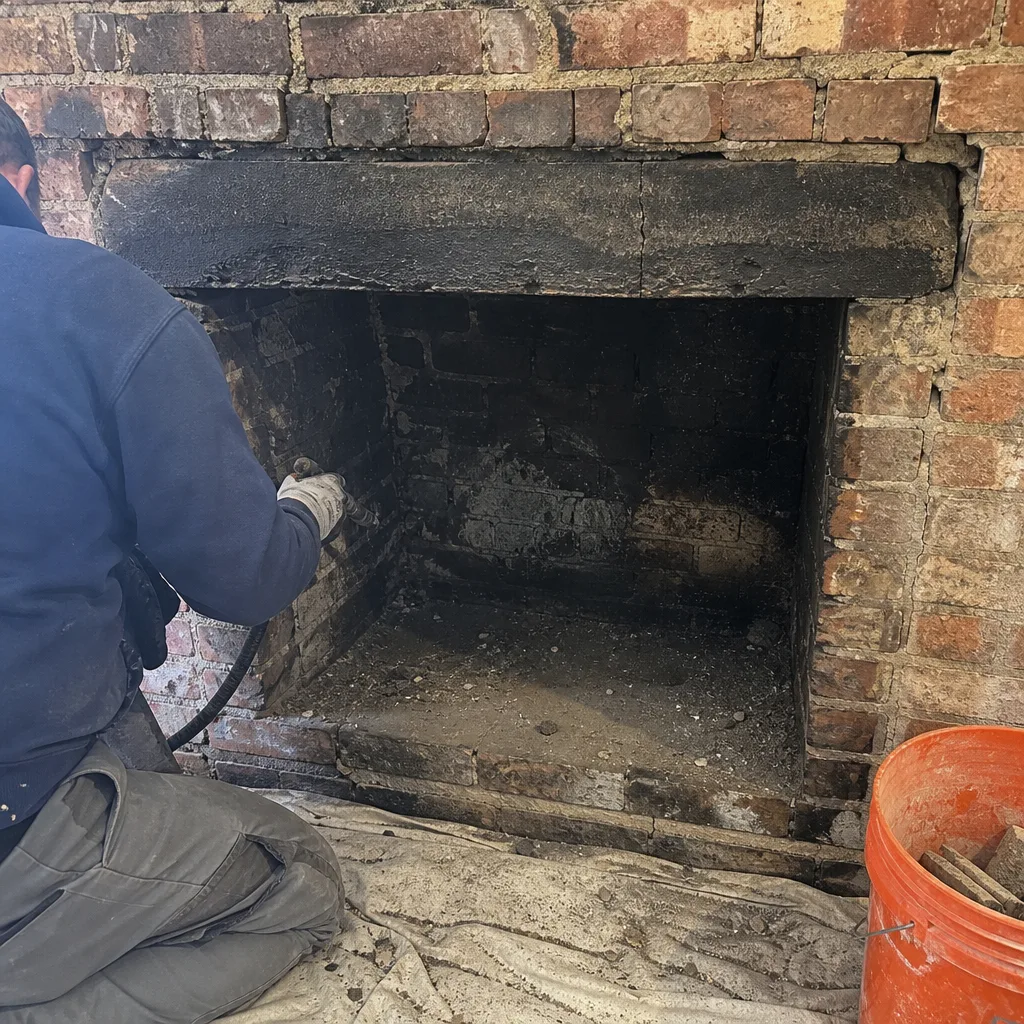 Before
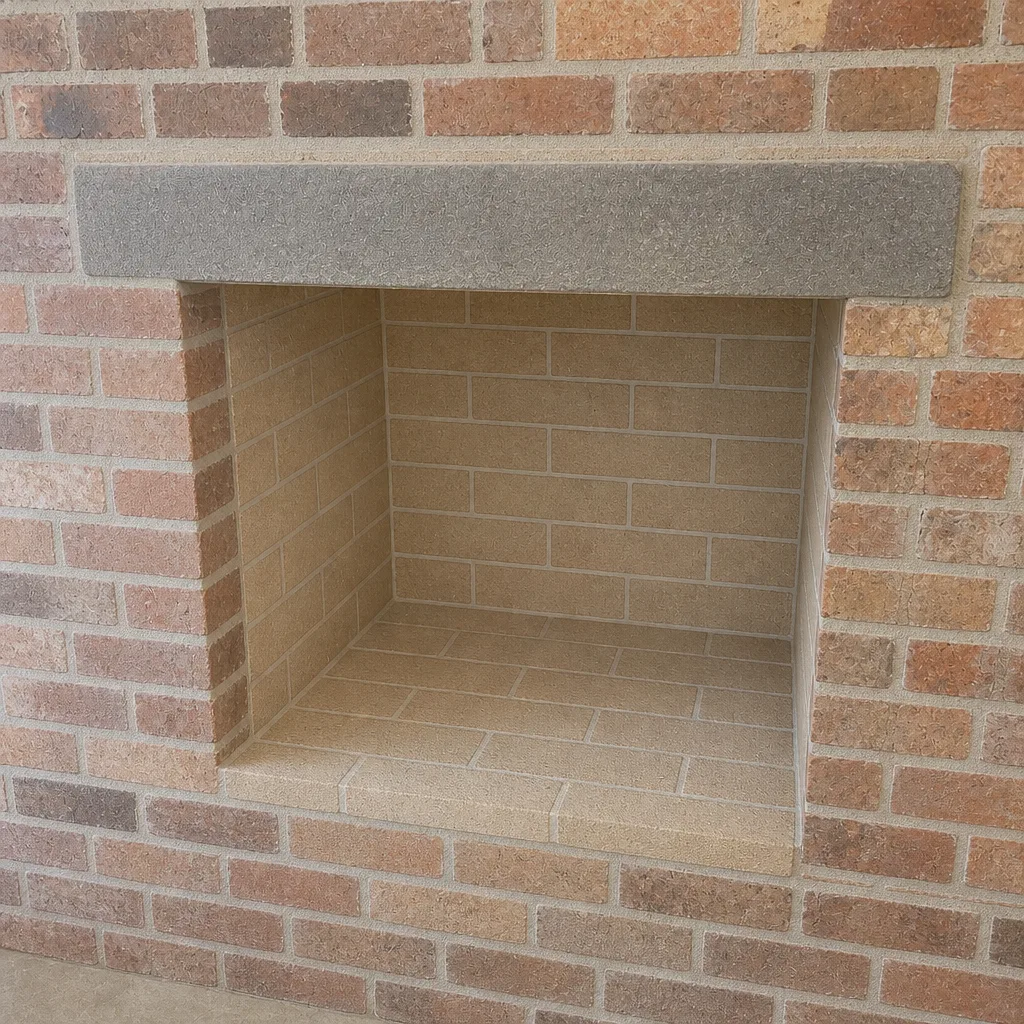 After
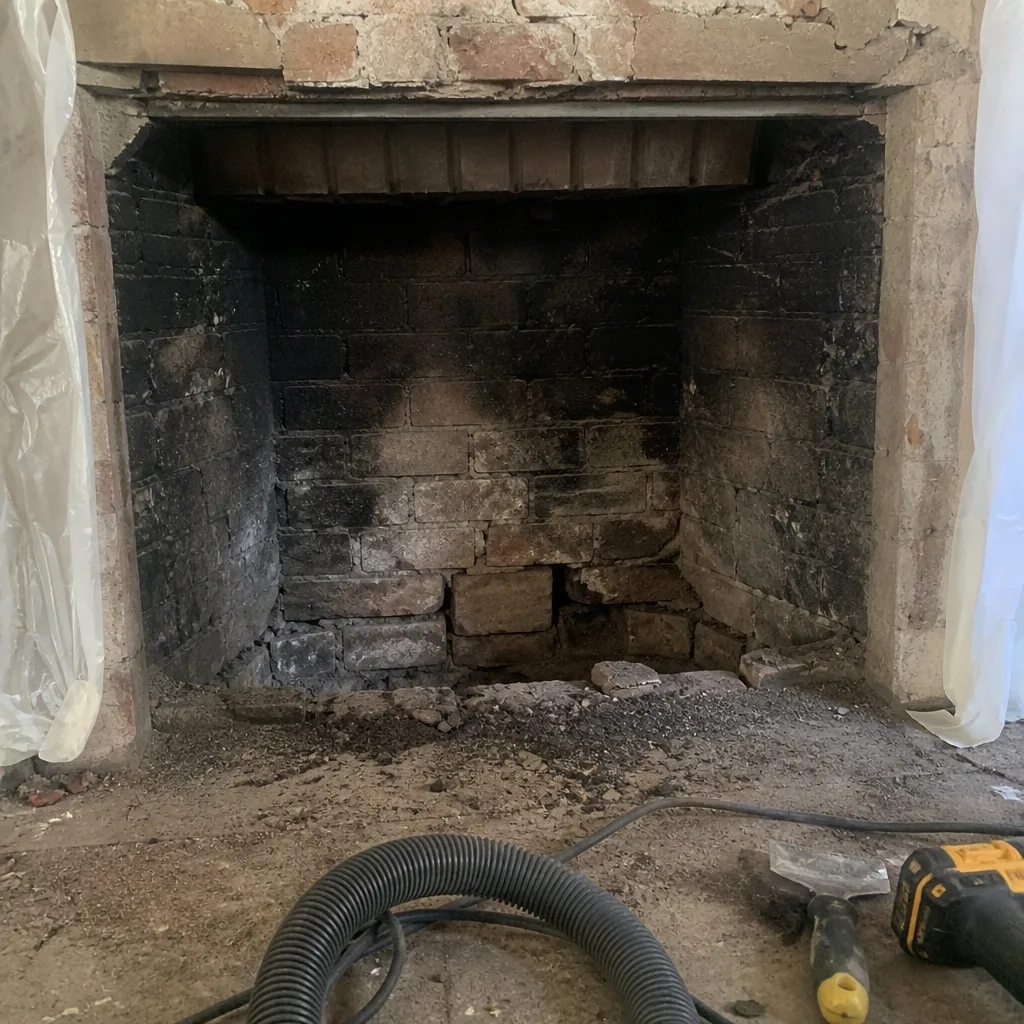 Before
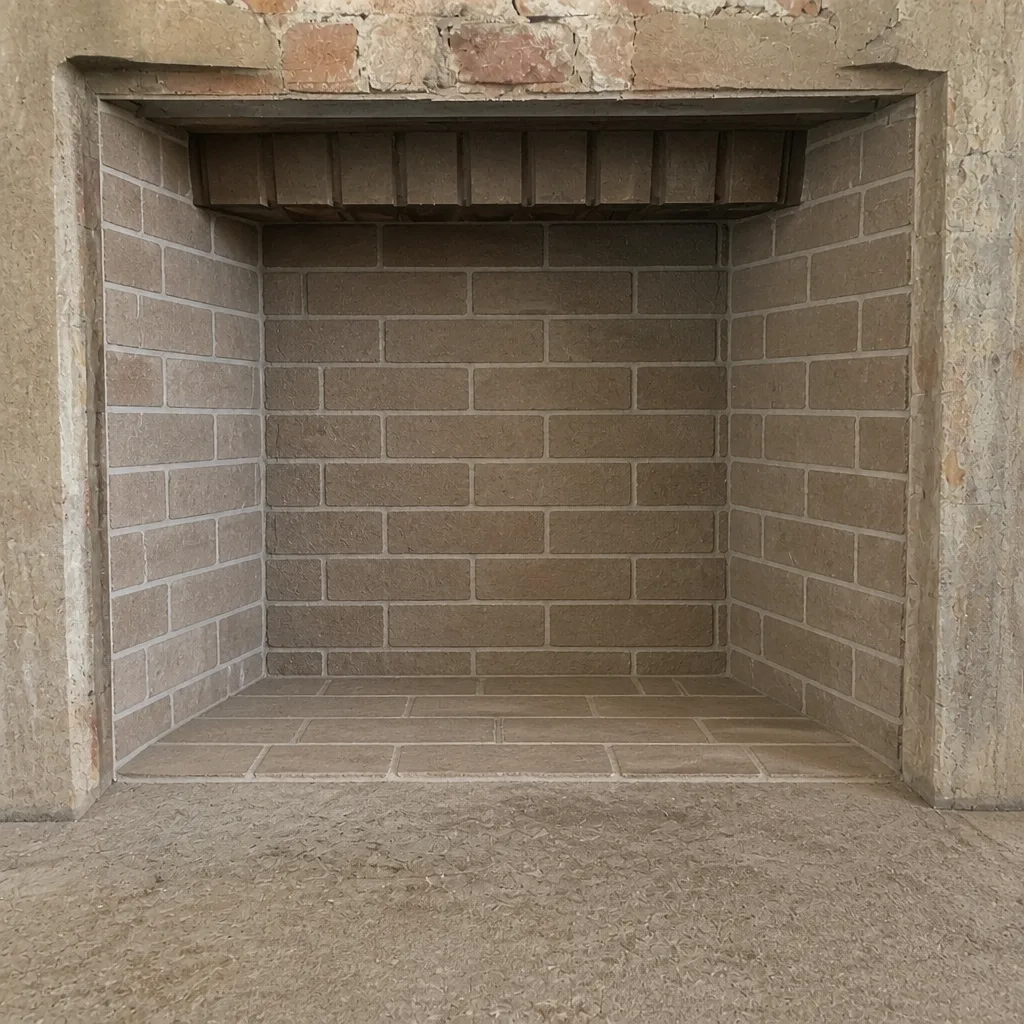 After
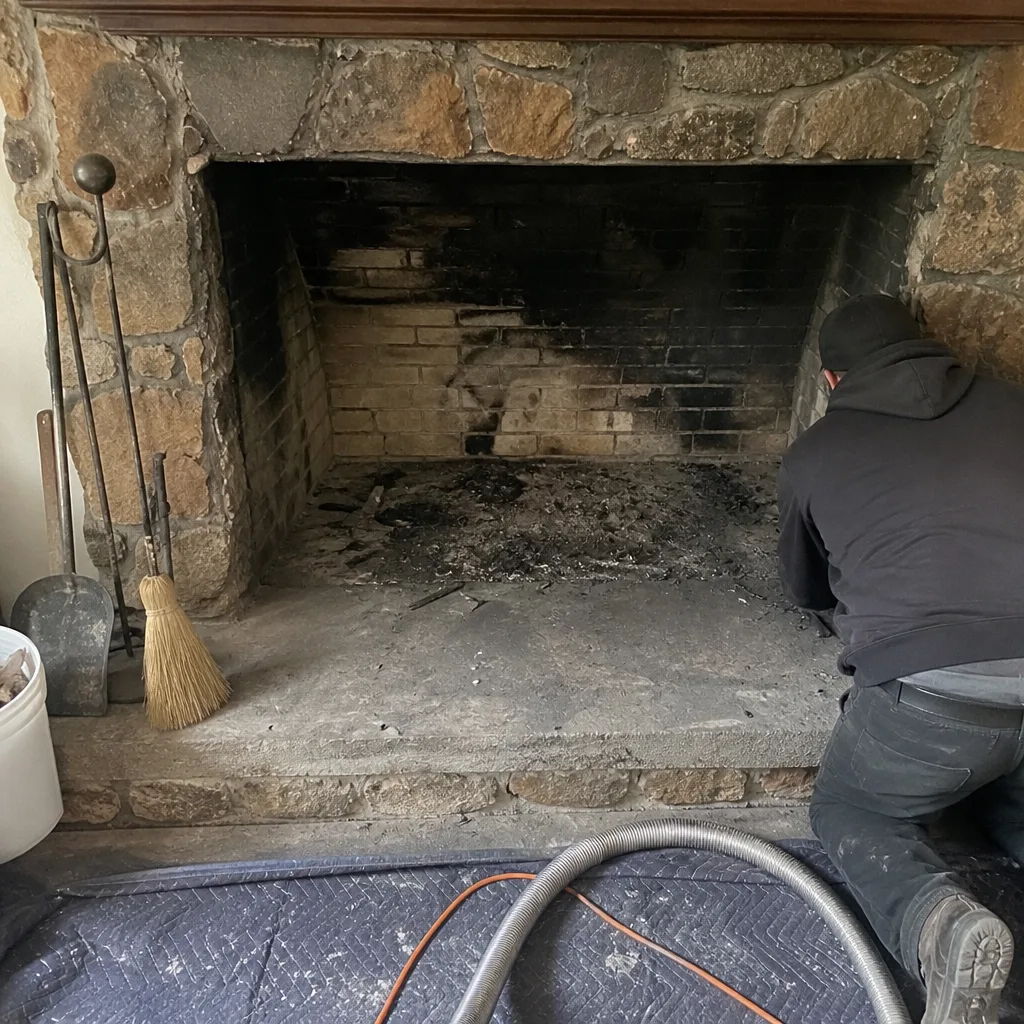 Before
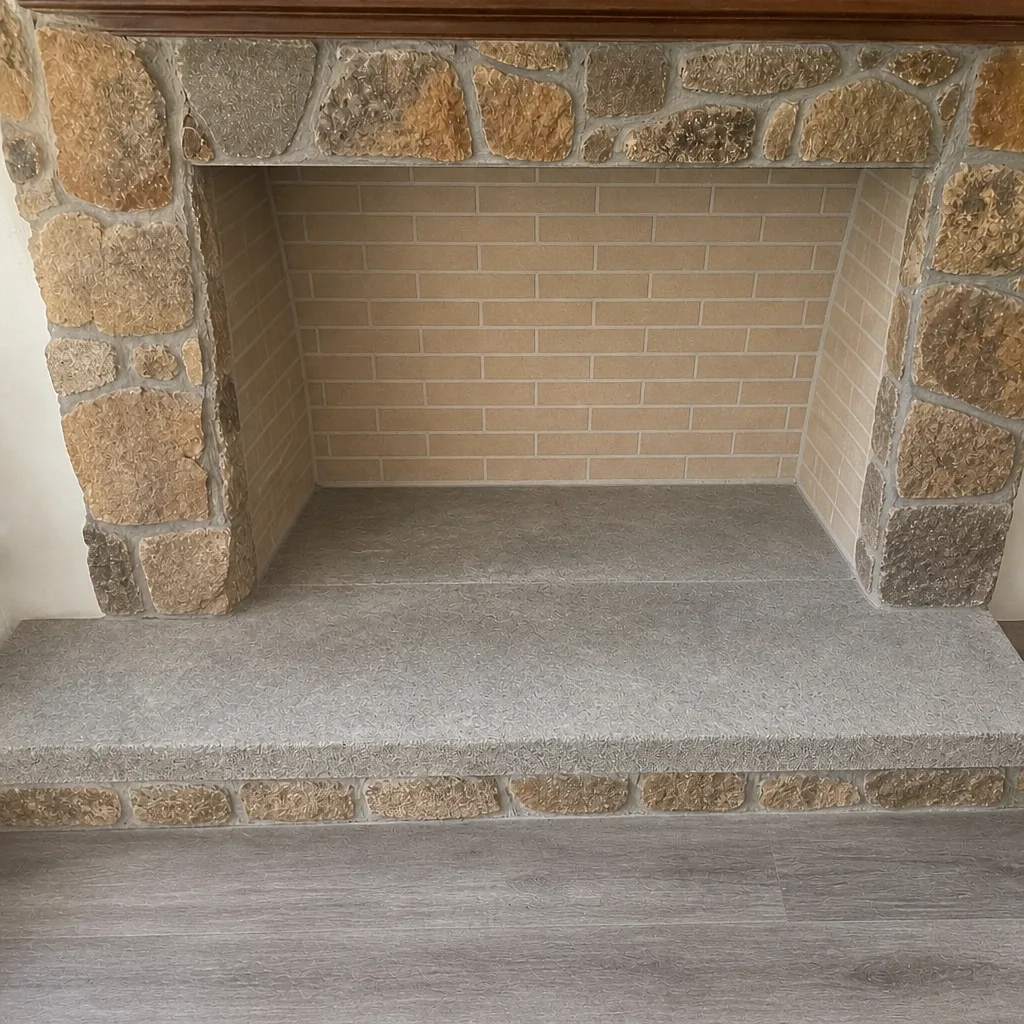 After
We Also Serve Cities Near Park Slope
The same inspection-first approach we bring to Park Slope covers the neighborhoods around it. We work in Carroll Gardens, Red Hook, Crown Heights, and Kensington, and the housing stock has a lot in common with what we see here: older masonry, original flues, and the occasional shared stack. If you are just outside Park Slope and want a second look at your chimney, our chimney inspection team covers the surrounding area too.
Serving Park Slope, NY – Our Local Coverage Area
We serve Park Slope and nearby communities. Use the map below to see the area we cover. If you’re nearby, we can almost certainly help.
FAQs – Chimney Inspection in Park Slope
A shared stack means the inspection has to extend to the neighbor’s tie-in, not just your own firebox and flue. In a Park Slope rowhouse the chimney is often punched through the party wall and serves both units, so a defect on one side can let creosote or flue gases cross into the other. We check both connections and run a camera where the shared stack allows, because a normal single-unit inspection could miss exactly this. Call (833) 554-1032 to book an inspection that covers the shared stack – estimates are free.
In much of Park Slope, yes – exterior chimney repair on a street-facing slope generally needs Landmarks Preservation Commission approval before work can proceed. A crown or flashing repair is exterior work, and the historic district rules apply to it. That is why an inspection often documents the existing spalling and cracked mortar for a later compliant repair rather than fixing it on the spot. Call (833) 554-1032 to talk through what your inspection turns up.
A Level 2 inspection with camera work is the typical starting point for a Park Slope rowhouse with an original unlined brick flue. Ladder access is often impossible on these tight lots, so the roof-side view comes through the flue camera instead. That level also lets us see the mortar joints and any creosote buildup inside the bricks, which is where the real answer to “can we use this fireplace?” lives. Call (833) 554-1032 to schedule – estimates are free.
You can’t confirm it by smell alone – it takes a camera inspection of the shared stack to see whether the neighbor’s appliance vents into the same flue as yours. Often the first sign is a faint creosote odor in a room with no fireplace, or flue gases backing into your unit when the neighbor’s boiler runs. A camera walk of both sides of the party wall settles the question. Call (833) 554-1032 to book that check – estimates are free.
An inspection shows you the creosote degree inside the flue, which determines whether a sweep is enough or whether the glaze needs chemical treatment. In these parlor fireplaces converted over a century ago from coal to wood, first-degree creosote is common, but glazed third-degree creosote calls for a different handling before the fireplace is used again. The camera footage shows you the degree directly. Call (833) 554-1032 for an inspection and a written estimate – it’s free.
How a Typical Park Slope Inspection Usually Goes
A homeowner in a century-old brownstone calls for a routine cleaning because the parlor fireplace keeps spilling smoke into the room. On arrival, a qualified technician usually finds the original unlined brick flue has cracked mortar joints and first-degree creosote built up on the walls – not the light soot a standard sweep would expect. The job shifts from sweeping to a camera inspection and, from there, to a liner recommendation. Because the stack is shared at the party wall, the technician also checks the neighbor’s appliance vent connection for cross-contamination before any repair is quoted, so a single call on one side of the wall can end up addressing a problem that affects both units. That is the shape most Park Slope inspection jobs take: the sweep is the entry point, the camera is where the real answer lives, and the recommendation follows the evidence.
Two Park Slope-specific conditions shape almost every job like this. First, the housing stock: rows of 1880s to 1910s brownstones and brick rowhouses, many with original single-wythe brick chimneys, parlor fireplaces, and unlined or clay-tile flues running in the same stack as the boiler and water heater. Second, the climate: a humid coastal Northeast with freeze-thaw winters and nor’easters, which drives spalling brick, cracked mortar crowns, and water intrusion at the chimney top. Much of that damage is only found when a sweep inspects before the heating season. Together, the shared stack and the exposed masonry are why a Park Slope “cleaning” call so often turns into a lining or masonry conversation. Nothing gets recommended on our say-so alone – you see the camera footage and the photo report, and if the work can safely wait until after the season or after LPC sign-off, we say so plainly.
Contact Us for Chimney Inspection in Park Slope
Book a documented chimney inspection before the heating season and find out what is actually going on inside your flue, your shared stack, and your masonry before a small problem reaches the boiler. Call (833) 554-1032 for a free estimate. We answer 24/7. Fast dispatch from 7am to 7pm, Sunday through Friday.
Written by the team at Chimney Sweep Borough Park.