
Last updated November 22, 2026
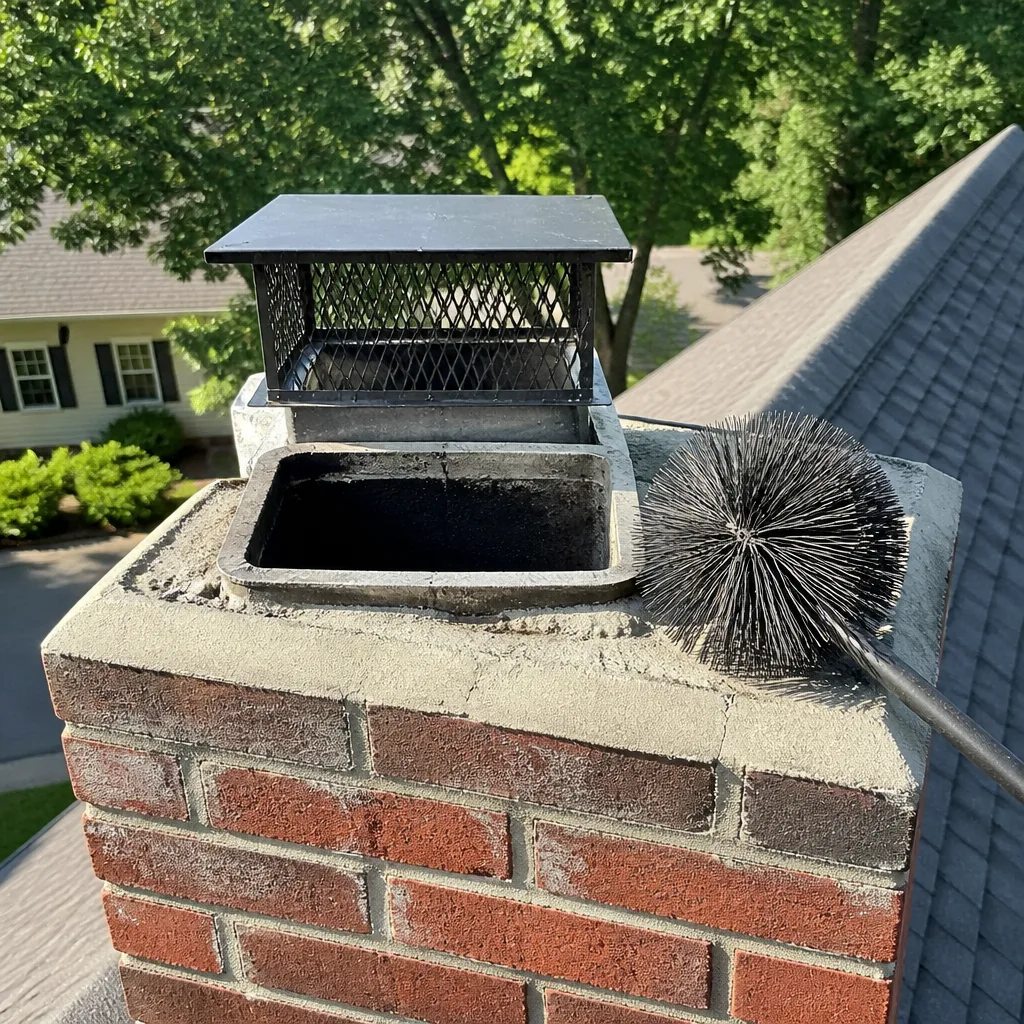 Sweep & inspection
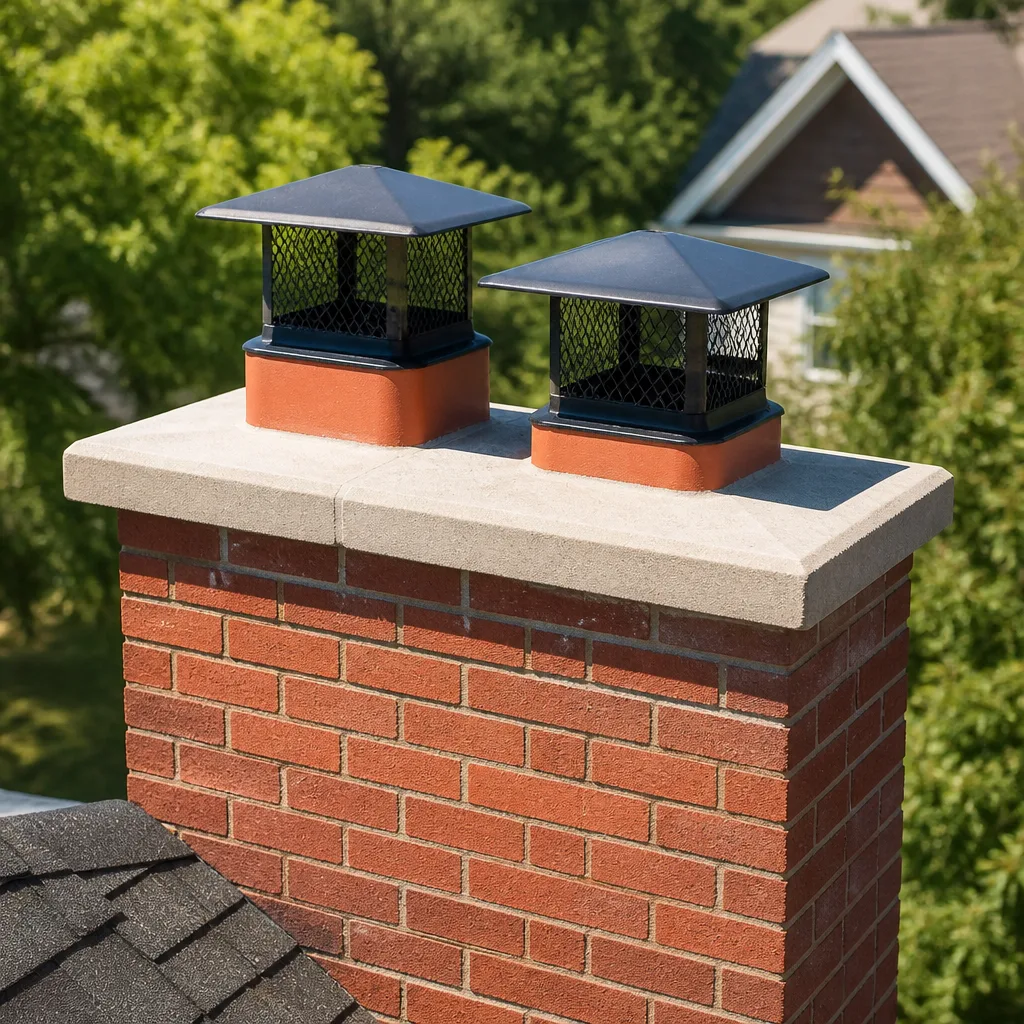 Caps & crowns
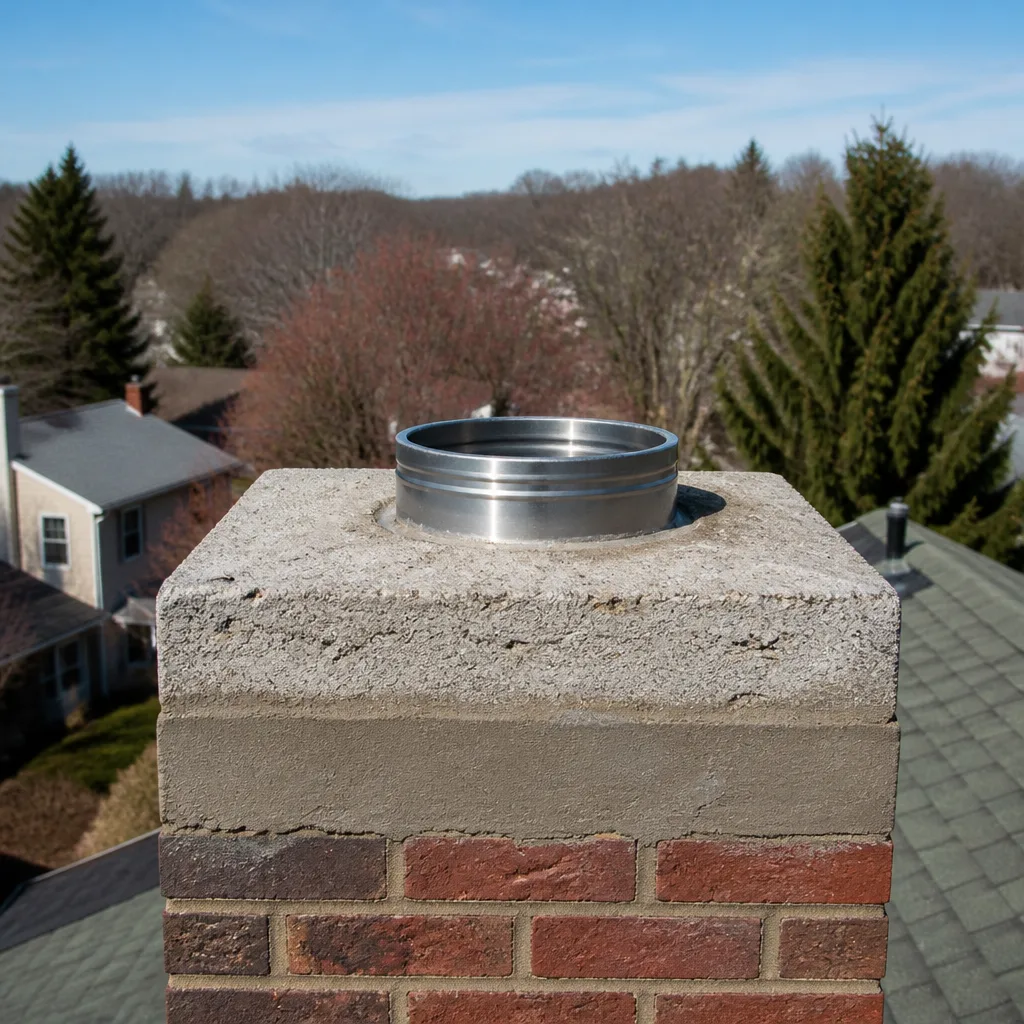 Flue relining
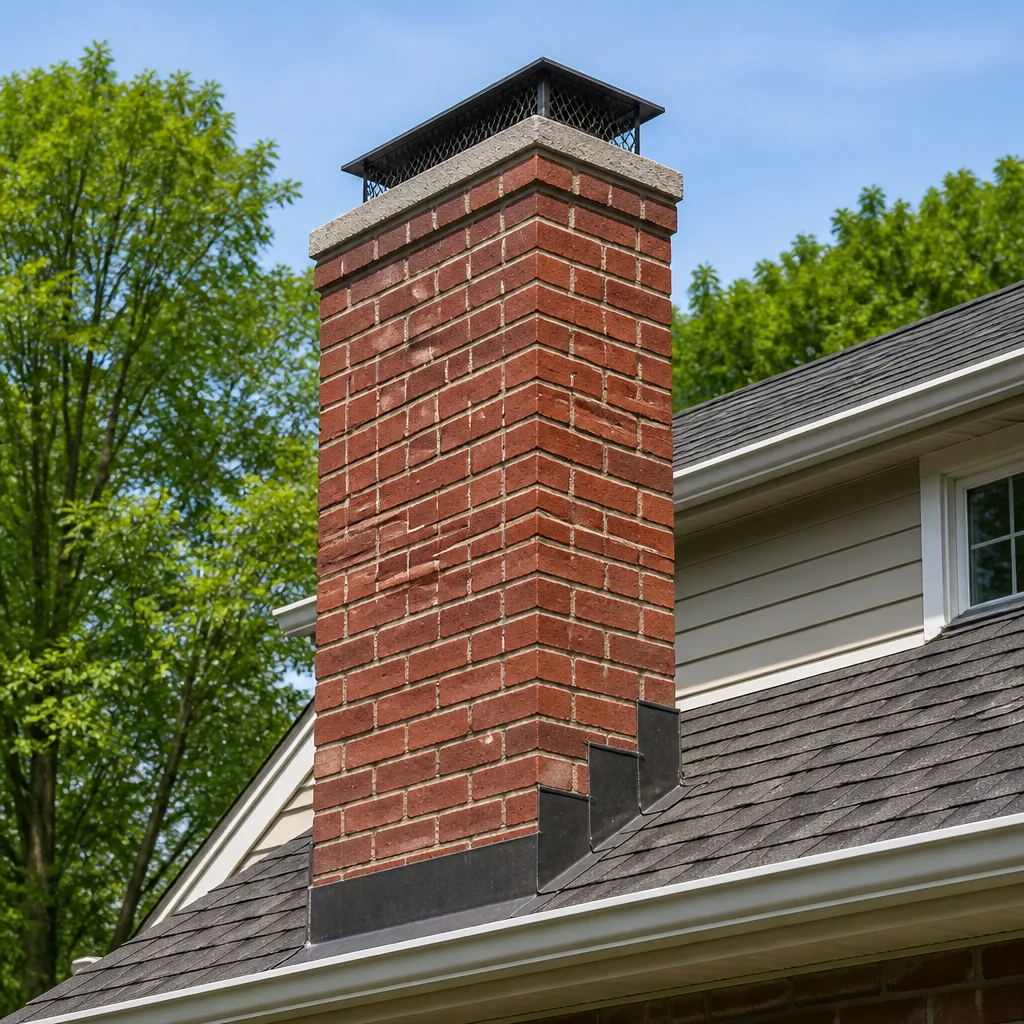 Masonry repair
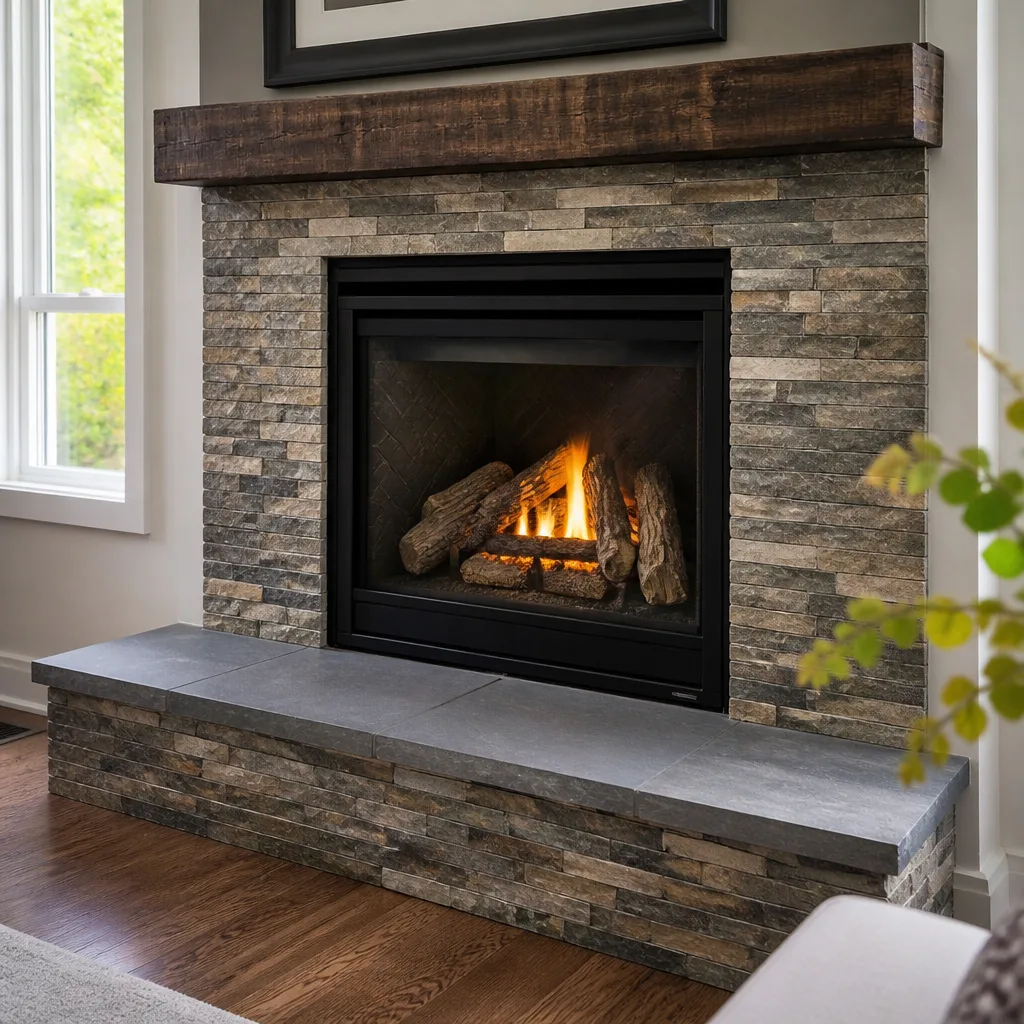 Gas fireplace service
Level 1 sweep and inspection to the NFPA 211 annual standard - flue, crown, cap, and flashing checked and photographed
Chimney sweep logs do not sweep chimneys. They loosen some creosote - which then falls where a brush and vacuum still have to collect it.
How to Hire a Chimney Cleaning Contractor in Borough Park: A Step-by-Step Guide
Most people hire a chimney sweep the way they hire a plumber: something smells off, they search, they call the first number. That works for a clogged drain. It doesn’t work for a flue. In Borough Park, where plenty of general handymen advertise chimney sweeping as a tacked-on service, the person who shows up may know a lot about gutters and very little about draft, creosote behavior in pre-war brick, or what a proper inspection report is supposed to contain. This guide walks you through the questions to ask, the credentials to require, and the red flags that separate a real chimney specialist from an opportunist. By the end, you’ll know exactly how to vet anyone before they climb a ladder at your house.
Quick Answer
To hire a chimney cleaning contractor in Borough Park, require three things before booking: a CSIA Certified Chimney Sweep credential produced on request, a written scope of work that spells out what will be cleaned and inspected before any tool comes out, and a fixed business address with a verifiable phone number. Ask how they handle pre-war rowhouse flue configurations and request their inspection reporting method. Any contractor who can’t answer those three questions clearly is not a chimney specialist.
Styles & brands we work with
- Sweep & inspection
- Caps & crowns
- Flue relining
- Masonry repair
- Gas fireplace service
Table of Contents
- Step 1: Verify the Credentials That Actually Matter
- Step 2: Get a Written Scope of Work Before Cleaning Starts
- Step 3: Spot the Red Flags Specific to the NYC Metro Market
- Step 4: Understand What a Real Chimney Inspection Looks Like
- Step 5: Ask Questions About Borough Park’s Housing Stock
- Step 6: Read the Inspection Report Like a Professional
- The Questions to Ask Before You Book
- Common Mistakes to Avoid
Step 1: Verify the Credentials That Actually Matter
CSIA certification takes roughly 100 hours of study and a proctored exam. A sweep who can’t produce that credential on request is telling you something about their baseline knowledge. The Certified Chimney Sweep designation from the Chimney Safety Institute of America is the single most useful filter you have, because it validates both book knowledge and field technique, and it requires continuing education to maintain. Ask to see the card. A real certified sweep carries it or can point you to a verifiable listing.
NFI certification is the second credential to look for, and it covers appliance work specifically. The National Fireplace Institute certifies technicians in wood, gas, and pellet appliance installation and service. If your home has a gas insert or a wood stove and the contractor will be touching the appliance itself rather than just the flue, NFI certification tells you they’ve been tested on that equipment. A sweep who only sweeps doesn’t need it. A sweep who diagnoses draft problems or works on your insert should have it.
What each credential actually validates matters here, because plenty of contractors wave certificates around that mean very little:
- CSIA Certified Chimney Sweep validates sweeping technique, inspection fundamentals, venting principles, and knowledge of codes and standards. It is specific to the chimney trade.
- NFI certification validates appliance-specific competency by fuel type. It is not a sweeping credential.
- State licensing or insurance is a baseline, not a specialty credential. The local pro you work with should be licensed and insured as their state requires, but licensing alone doesn’t confirm chimney expertise.
- Manufacturer certifications, such as HeatShield applicator training for liner resurfacing, validate competency in a specific method or product. Those matter when resurfacing is on the table.
Our technicians have up to 9 years of experience, and we’ve seen which of these credentials actually predict good work in Borough Park and which get printed on business cards to sound impressive. The ones above are the ones that hold up.
Step 2: Get a Written Scope of Work Before Cleaning Starts
A written scope of work before any cleaning starts is your single best protection against post-visit upsell pressure. The logic is simple: once a contractor is on your roof, they have leverage. They can come down with a photo, a story, and a number that feels urgent. A written scope flips that dynamic. You agree in advance what the visit covers, and anything outside that scope requires a separate written recommendation and a separate conversation.
A proper scope of work in Borough Park should include, at minimum:
- The specific flue or flues to be cleaned, identified by location (fireplace flue, furnace flue, or both).
- The cleaning method and equipment to be used, since brushes and rods suited to a 1920s rowhouse flue are not the same as those for a lined modern flue.
- The level of inspection included: a Level 1 inspection is a visual check of accessible portions; a Level 2 inspection includes a video scan and is required in specific circumstances such as a home sale or a change in appliance.
- What documentation you’ll receive afterward, whether that’s a written report, photos, or both.
- The price for the agreed scope, and a statement that any additional work requires your approval first.
When a contractor insists on pricing after the fact, or quotes a number over the phone without seeing the flue, that’s not a scope of work. That’s a sales call with a ladder. The chimney sweep we connect you with should be able to describe the scope in writing before you commit to anything.
Why does this matter more in Borough Park than in a suburb full of new construction? Because the housing stock here is old enough that hidden conditions are common: liners that have failed, flues that were repurposed decades ago, and masonry that hasn’t been documented in a generation. A written scope protects you from discovering those conditions in the middle of a sales pitch rather than in a report you can read at your kitchen table.
Step 3: Spot the Red Flags Specific to the NYC Metro Market
Borough Park sits inside a metro market where fly-by-night chimney operators are common, because the density of old housing creates steady demand and because it’s easy to look legitimate online. Three red flags should stop you cold before anyone climbs on your roof.
No fixed business address. A contractor operating from a PO box or a phone number alone has nowhere to be reached if a job goes wrong. Ask for the business address. A legitimate chimney company should be able to give you one without hesitation. That’s not the same as asking whether they have a showroom in Borough Park; most chimney specialists don’t. It’s asking whether there is a business you can locate and a record you can trace.
Cash-only quotes. Cash payment isn’t automatically a red flag, but a contractor who quotes cash-only, offers no written estimate, and provides no receipt is giving you no paper trail. The written estimate is your protection, and it cost you nothing. If it doesn’t exist on paper, it doesn’t exist.
Pressure to book same-day. Same-day availability is genuinely convenient and not a problem by itself. Pressure to book same-day, with a claim that your chimney is dangerous and needs immediate action, is a sales tactic. A real chimney specialist is going to show you what they found with a camera before recommending anything, and if the finding can wait, they’ll tell you it can wait. The local pro you work with will always document findings before making a recommendation.
One more red flag worth naming: any contractor who tells you the flue doesn’t need an inspection, only a cleaning. That’s a contractor looking to do the easy half of the job. The Chimney Sweep Borough Park approach is inspection first, recommendation second, because a cleaning without an inspection tells you the flue is cleaner but not whether it’s safe.
Step 4: Understand What a Real Chimney Inspection Looks Like
A real chimney inspection involves a documented, systematic assessment of the accessible chimney and venting system, not a two-minute walkthrough. The National Fire Protection Association defines three levels of inspection, and knowing which one you need protects you from being sold a level you don’t need or shorted on a level you do.
- Level 1: A visual inspection of readily accessible portions of the chimney, venting system, and appliance connections. Appropriate for an annual checkup when conditions haven’t changed.
- Level 2: Everything in Level 1 plus accessible attics, crawl spaces, and a video scan of the flue interior. Appropriate when a home is sold, when an appliance is replaced or changed, or after a chimney fire or seismic event.
- Level 3: Everything in Level 2 plus removal of components or building elements where access is limited. Appropriate only when a serious hazard is suspected.
Ask the contractor what level they’re performing and why. If they can’t name the level, they’re not following a defined standard. A named inspection service, offered as a standalone appointment rather than a quick look bundled into a sweep, is a sign you’re dealing with a specialist who treats inspection as a discipline. The chimney repair phase of any project should always follow a documented inspection, never precede it.
The camera matters more than most homeowners realize. In Borough Park, chimney flues in pre-war buildings are frequently unlined originals, or lined with materials that have cracked or shifted over the decades. A video scan turns an invisible interior into something you can see with your own eyes. If a contractor recommends liner work without showing you the footage, you have no way to verify the recommendation, and neither do we. Nothing should be recommended without camera evidence you can review.
Ask, too, what the inspection report will contain. A real report includes findings tied to specific locations in the flue, photos or video, and a clear distinction between what needs immediate attention, what should be monitored, and what can wait. If the report is a single sentence on an invoice, it isn’t a report.
Step 5: Ask Questions About Borough Park’s Housing Stock
Borough Park’s housing stock is dominated by pre-war rowhouses and multi-family buildings, and that shapes chimney work in ways a contractor from outside the neighborhood won’t anticipate. The questions below will quickly separate a specialist from someone who learned chimney sweeping from a YouTube playlist.
- How do you handle flues in pre-war rowhouse configurations? A specialist will talk about shared walls, offset flues, converted heating systems, and the variety of liner conditions found in buildings of that era. A generalist will say “we’re experienced with older homes” and move on.
- What do you typically find in flues that were originally built for coal and later converted to gas or oil? This question reveals whether the contractor understands how heating systems changed in New York buildings and what that means for venting. A capable answer addresses the risks of improper venting for the current appliance.
- How do you access a flue in a building with no exterior cleanout? Access is a real problem in dense rowhouse blocks, and the answer tells you whether the contractor has worked in this kind of housing before.
- What kinds of chimney caps and crowns do you see failing on these buildings? A specialist will describe the specific failure modes common to older masonry and the materials used to address them, such as those from Gelco or Copperfield.
- How do you handle a flue that needs relining but is tight on clearance? A specialist will speak to flexible liner systems like DuraFlex and options like HeatShield resurfacing when a full replacement isn’t practical.
Ask these questions before booking. The answers matter because Borough Park’s rowhouse flues are older than most of the contractors working on them, and the right approach depends on understanding what was originally built and how it’s been modified since.
Step 6: Read the Inspection Report Like a Professional
An inspection report is only useful if you can distinguish documented findings from vague recommendations. This is where most homeowner-contractor disputes begin, and it’s exactly where a little literacy pays off. A documented finding describes a specific condition, located in a specific place, with photo or video evidence. A vague recommendation describes a general concern without evidence. The first is useful. The second is a sales pitch wearing a lab coat.
Here’s what to look for in a report:
- Specificity of location. A finding should identify the flue and the position within it, such as “the top three feet of the fireplace flue” rather than “the flue has issues.”
- Photo or video evidence. Every finding worth acting on should come with imagery you can see. If the recommendation has no image attached, ask for one before you agree to anything.
- Severity classification. A real report distinguishes between conditions that need immediate attention, those that should be monitored, and those that are cosmetic or minor.
- Recommended scope of work. The report should describe what’s being recommended and why, not just state that work is needed.
- What can safely wait. This is the most underrated part of a good report. A specialist who can tell you what not to do yet is telling you something about their integrity.
Use the report as a decision document, not a verdict. You’re allowed to ask questions, request additional photos, and get a second opinion. A contractor who resists that is telling you what they think of your judgment. When you read a report and the recommendation isn’t backed by camera evidence you can review, that’s a reason to slow down, not speed up. The chimney cap & crown work in particular should always be justified by documented deterioration in the report, never by a vague sense that it “looks old up there.”
The Questions to Ask Before You Book
The list below is the practical version of everything above. Ask these questions of any chimney contractor in Borough Park before you book. The answers tell you whether you’re talking to a specialist or a generalist with a ladder.
- Can you show me your CSIA Certified Chimney Sweep credential and confirm what level of inspection is included in this visit?
- Will you provide a written scope of work and a written estimate before any cleaning starts?
- What is your fixed business address, and can I reach you at (833) 554-1032 or another verifiable number?
- How do you handle pre-war rowhouse flue configurations, and have you worked on this kind of housing in Borough Park?
- Does your inspection include a video scan, and will I receive a written report with photos?
- What brands and materials do you install when work is needed? A specialist will name them specifically.
- Will the same crew handle cap, crown, and repair work, or will you refer that out?
- If you find a condition that needs work, will you show me the evidence before recommending anything?
Our own answers to these are straightforward: our technicians have up to 9 years of experience, we install and work with DuraFlex, HeatShield, Gelco, Olympia Chimney, Famco, and Copperfield materials, and we handle cap, crown, masonry, and fireplace work with the same crew from start to finish. When you work with the local pro we connect you with, you’re working with someone who can answer these questions with specifics rather than reassurances.
One note on brand specificity. A contractor who names the brands they install, and can explain why they chose them, is a contractor who takes materials seriously. A generalist will say “we use the best materials” and leave it there. Ask what they actually stock and install. The answer is a signal.
Common Mistakes to Avoid
- Hiring the handyman who does “everything.” In Borough Park, a general handyman who adds chimney sweeping to a long list of services is unlikely to carry CSIA certification or understand pre-war flue configurations. Chimney work is its own trade, with its own standards and safety stakes.
- Accepting a verbal quote with no written scope. A quote over the phone is not a scope of work, and a contractor who won’t put it in writing before the visit is a contractor with something to hide. The written estimate is your protection and should include exactly what’s covered.
- Letting a contractor skip the inspection. A “cleaning” without an inspection tells you the flue is cleaner, not whether it’s safe. Ask what level of inspection is included and insist on documentation.
- Agreeing to liner work without seeing the evidence. Liner replacement is one of the most expensive chimney services, and a recommendation without camera footage is unverifiable. Ask for the video before you approve anything.
- Ignoring the creosote warning sign. Creosote buildup is the leading cause of chimney fires, and it’s invisible from the outside. A flue that hasn’t been swept in years is a risk you can only confirm through inspection, not by looking at the exterior.
- Booking same-day because of pressure. Same-day availability is fine. Same-day pressure, with a claim that your chimney is dangerous right now, is a sales tactic. Get the report before you agree to anything urgent.
- Not asking what can wait. A contractor who can tell you what to monitor versus what needs immediate attention is a contractor with your interests in mind. A contractor who recommends everything at once is a contractor with a schedule to fill.
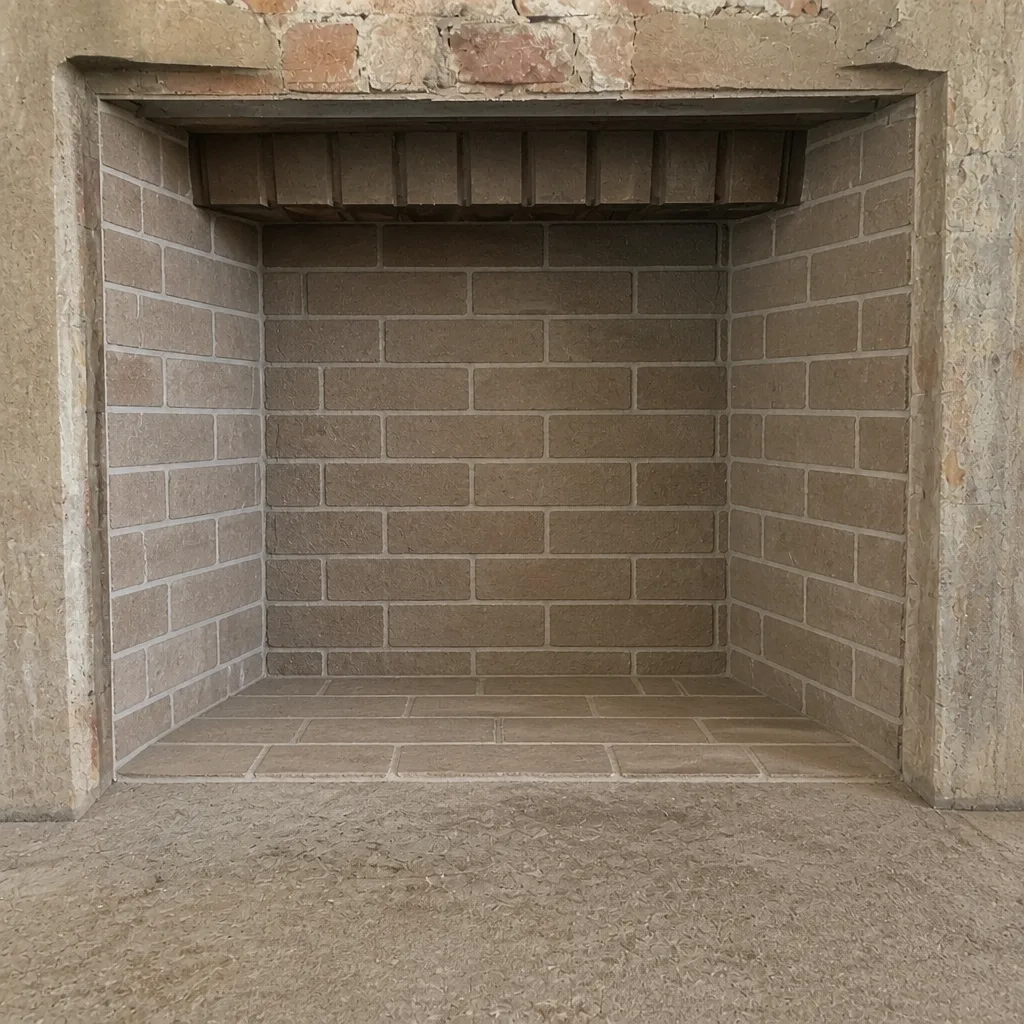
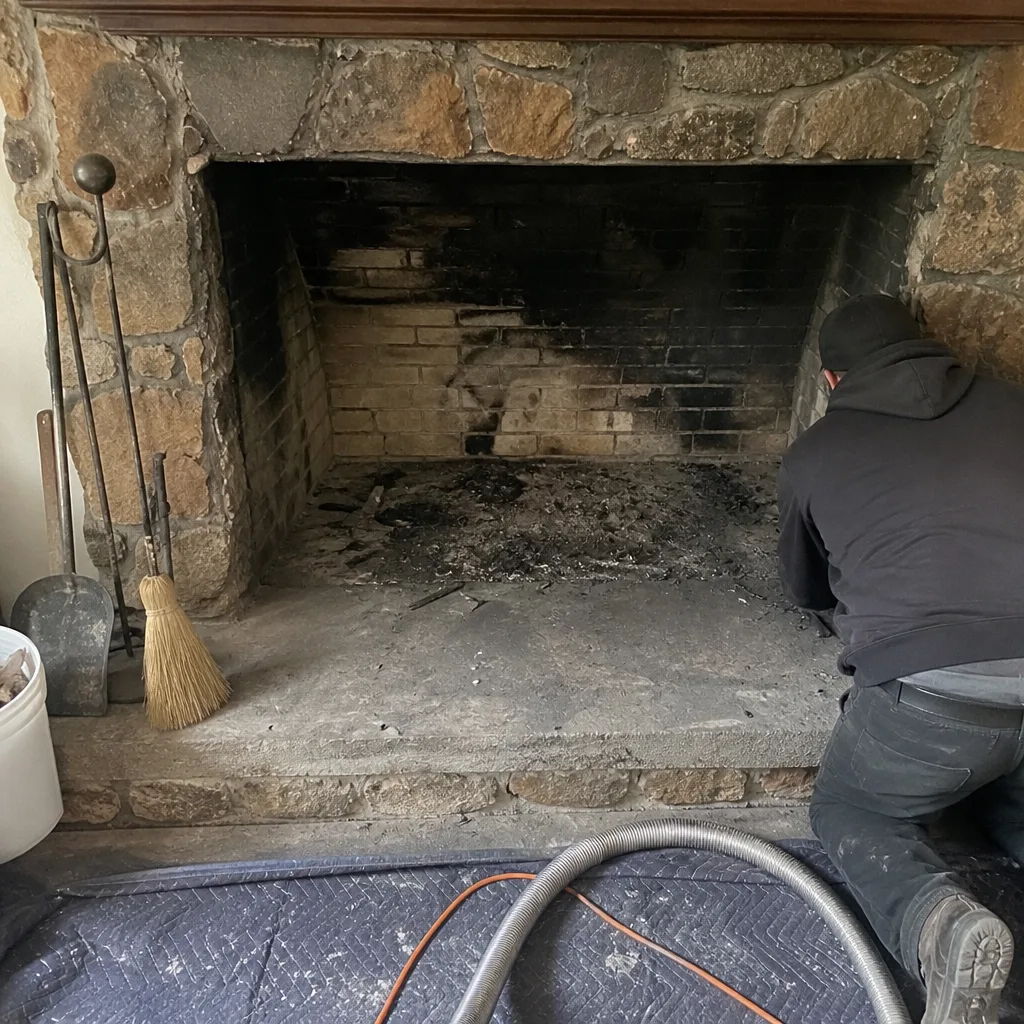
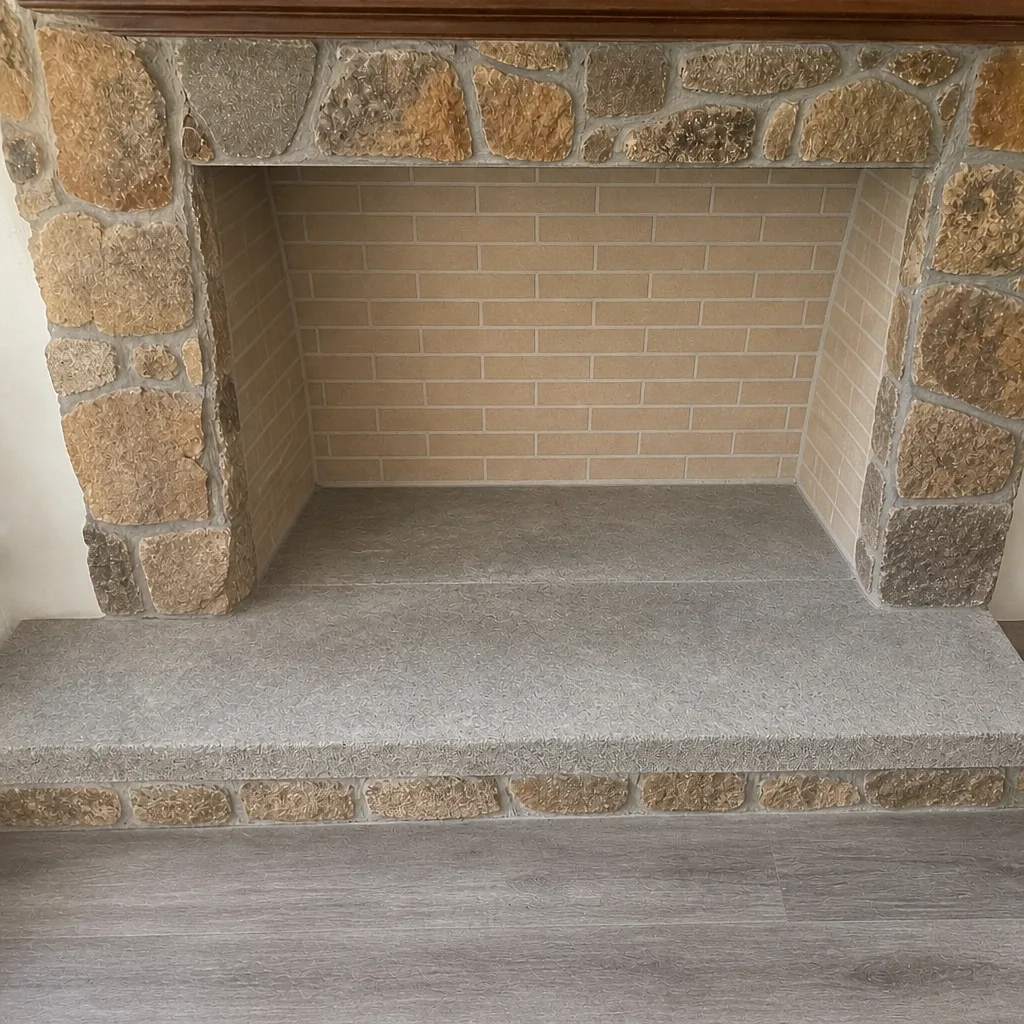
See the difference
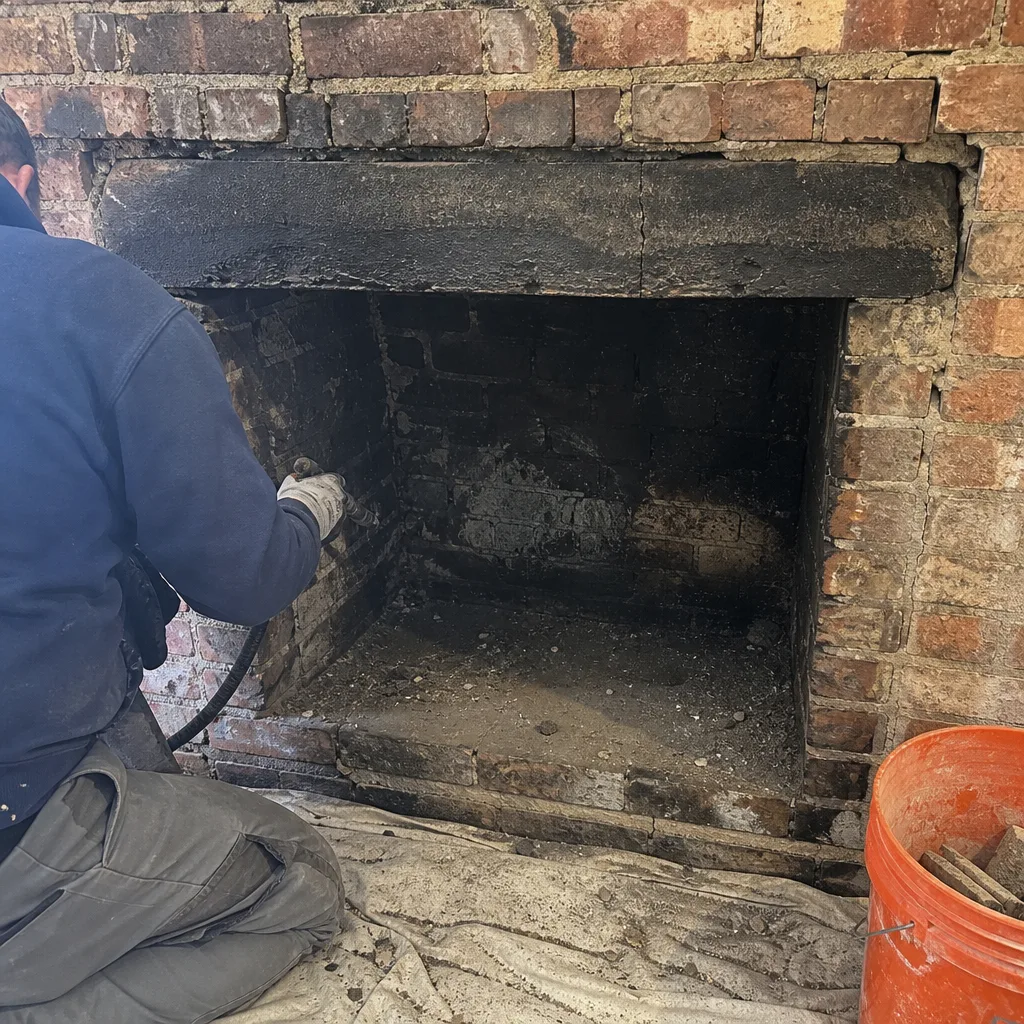 Before
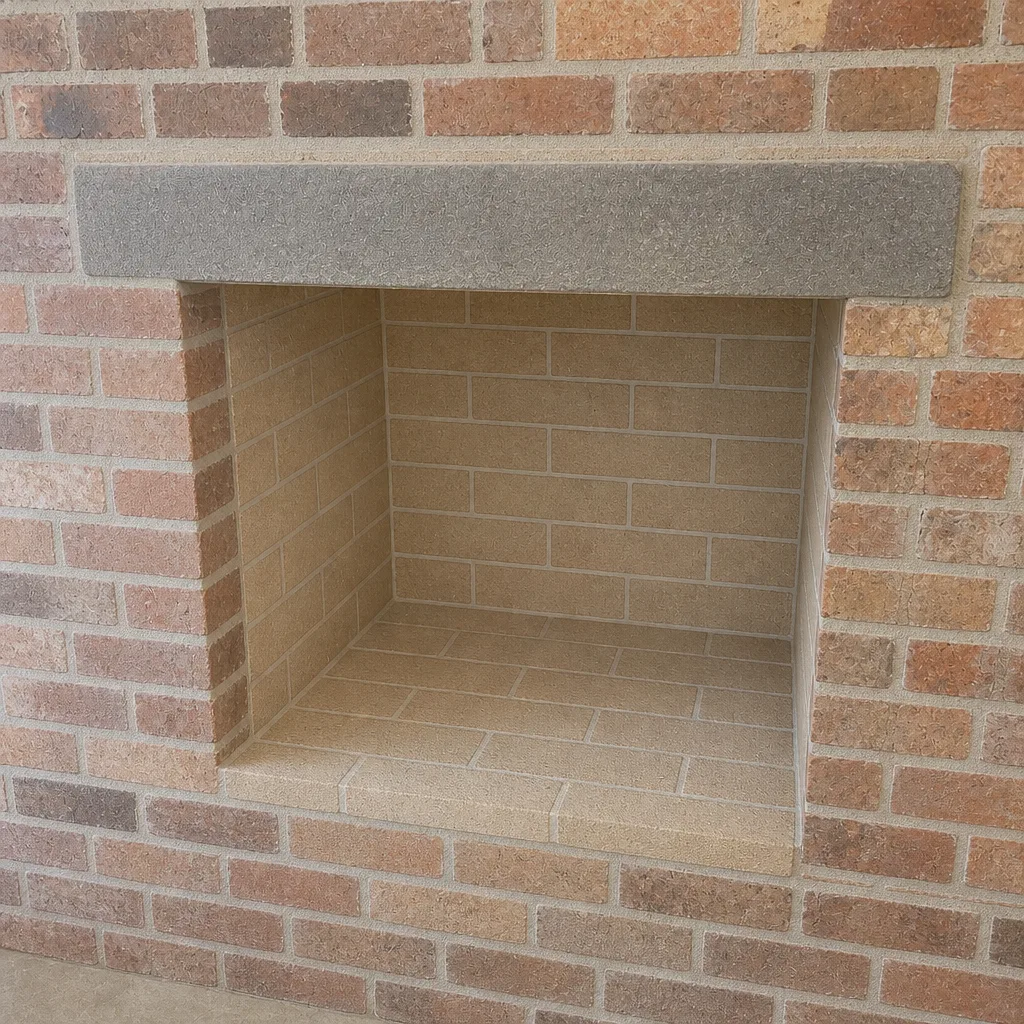 After
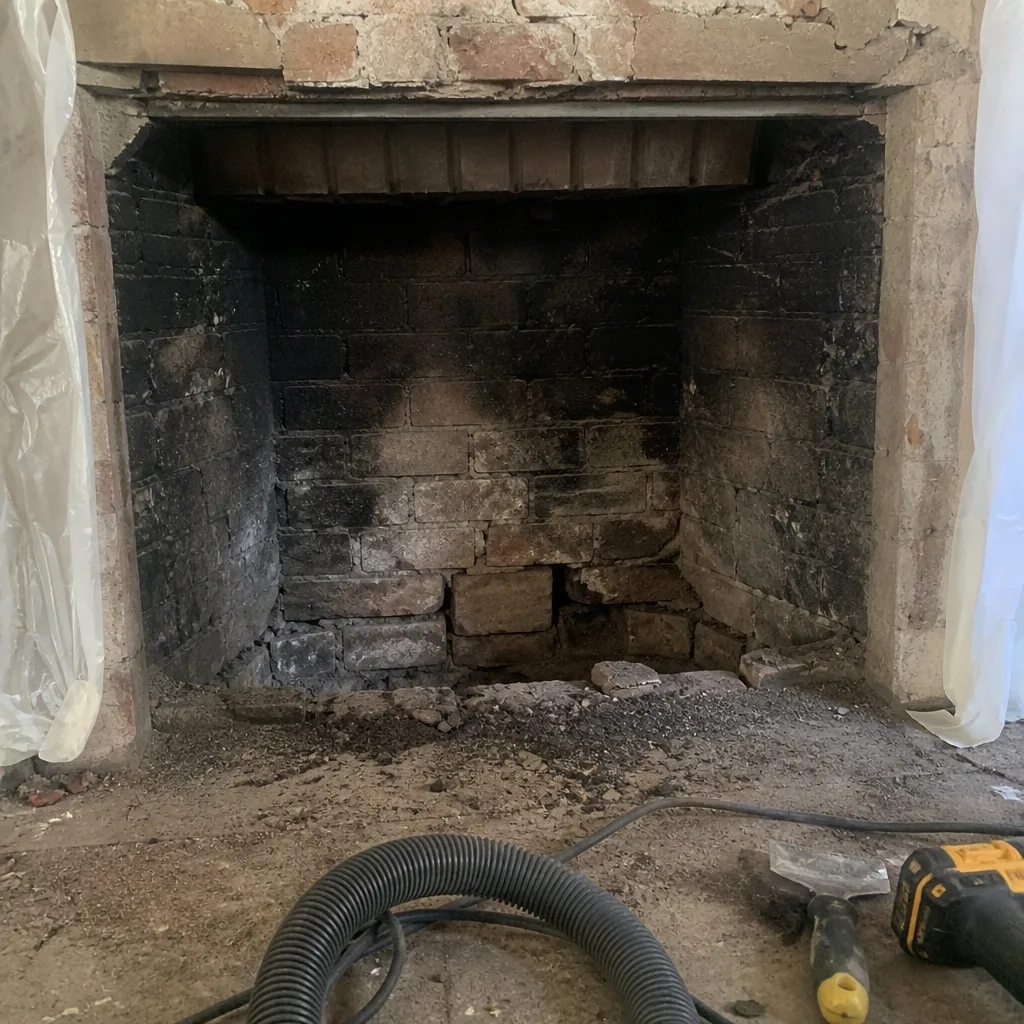 Before
 After
 Before
 After
When to Call a Professional
You need a chimney professional when you can’t verify the condition of your flue yourself, which is most of the time. Specific situations that warrant a call: your fireplace hasn’t been swept in a year or more; you’re buying or selling a home and a Level 2 inspection is required; you’ve switched appliances or changed the fuel type on an existing flue; you notice draft problems, smoke entering the room, or soot streaking on the exterior; or you’ve never had an inspection since moving in. The safest reason to call, though, is simply uncertainty. Creosote and liner damage are invisible from the outside, and no amount of looking at the exterior of a Borough Park rowhouse will tell you what’s happening inside the flue.
Chimney Sweep Borough Park offers free estimates in Borough Park. Call (833) 554-1032. We answer 24/7. Fast dispatch from 7am to 7pm, Sunday through Friday.
Frequently Asked Questions
Ask for the CSIA Certified Chimney Sweep credential, a written scope of work, and a fixed business address before booking. In Borough Park, where generalists often advertise sweeping as an add-on, those three checks separate specialists from opportunists. Call (833) 554-1032 for an exact quote; estimates are free.
Ask what level of inspection is included, whether they’ll provide a written scope before cleaning starts, how they handle pre-war rowhouse flue configurations, and what brands they install when work is needed. The answers tell you whether you’re talking to a chimney specialist or a handyman with a ladder. Call (833) 554-1032 to discuss your specific chimney.
CSIA certification validates chimney-specific knowledge that a general contractor license doesn’t cover. The exam requires roughly 100 hours of study and a proctored test, and certified sweeps maintain continuing education. A licensed generalist is not a substitute. Call (833) 554-1032 to work with a specialist.
Once a year for most wood-burning fireplaces, and more often if the fireplace is used heavily. Annual inspection is the baseline. If the flue hasn’t been checked since before you moved in, the first visit should include documentation of what was found, not just a cleaning. Call (833) 554-1032 to book an inspection.
Level 1 is a visual inspection of accessible portions; Level 2 adds a video scan of the flue and access to attics and crawl spaces. A Level 2 is appropriate during a home sale, after a change in appliance, or after a chimney fire. Ask the contractor which level they’re performing and why. Call (833) 554-1032 for an exact quote; estimates are free.
Creosote accumulates inside the flue where you can’t see it, and liner damage progresses without visible warning from the outside. Skipping inspections removes the only reliable way to know whether the chimney is safe to use, and it’s exactly the condition that leads to chimney fires and carbon monoxide problems. Call (833) 554-1032 to schedule an inspection; a report with photo evidence is included.
The Bottom Line
Hiring a chimney cleaning contractor in Borough Park comes down to three habits: verify the credentials that actually matter, get a written scope before anything starts, and read the inspection report before you agree to work. The right specialist shows you evidence rather than telling you what to think, names the brands they install, and will tell you plainly when work can safely wait. Our technicians have up to 9 years of experience, we work with trade-grade brands like DuraFlex, HeatShield, and Gelco, and we handle the full arc from sweeping through cap, crown, masonry, and fireplace work with one crew from start to finish. If you’re unsure whether your flue needs attention, the answer is to have it looked at, not guessed at.
Call (833) 554-1032 for a free estimate. We answer 24/7. Fast dispatch from 7am to 7pm, Sunday through Friday.
Written by the team at Chimney Sweep Borough Park.