
Last updated November 22, 2026
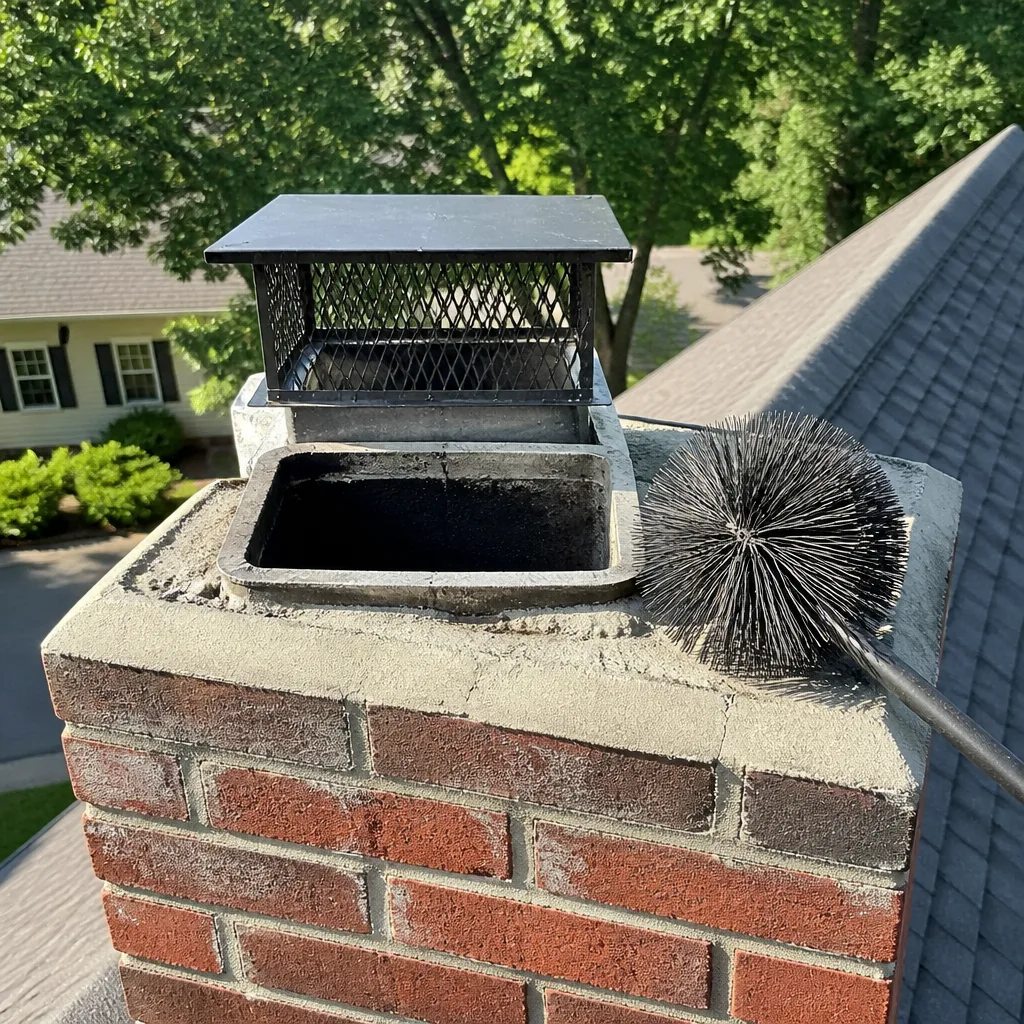 Sweep & inspection
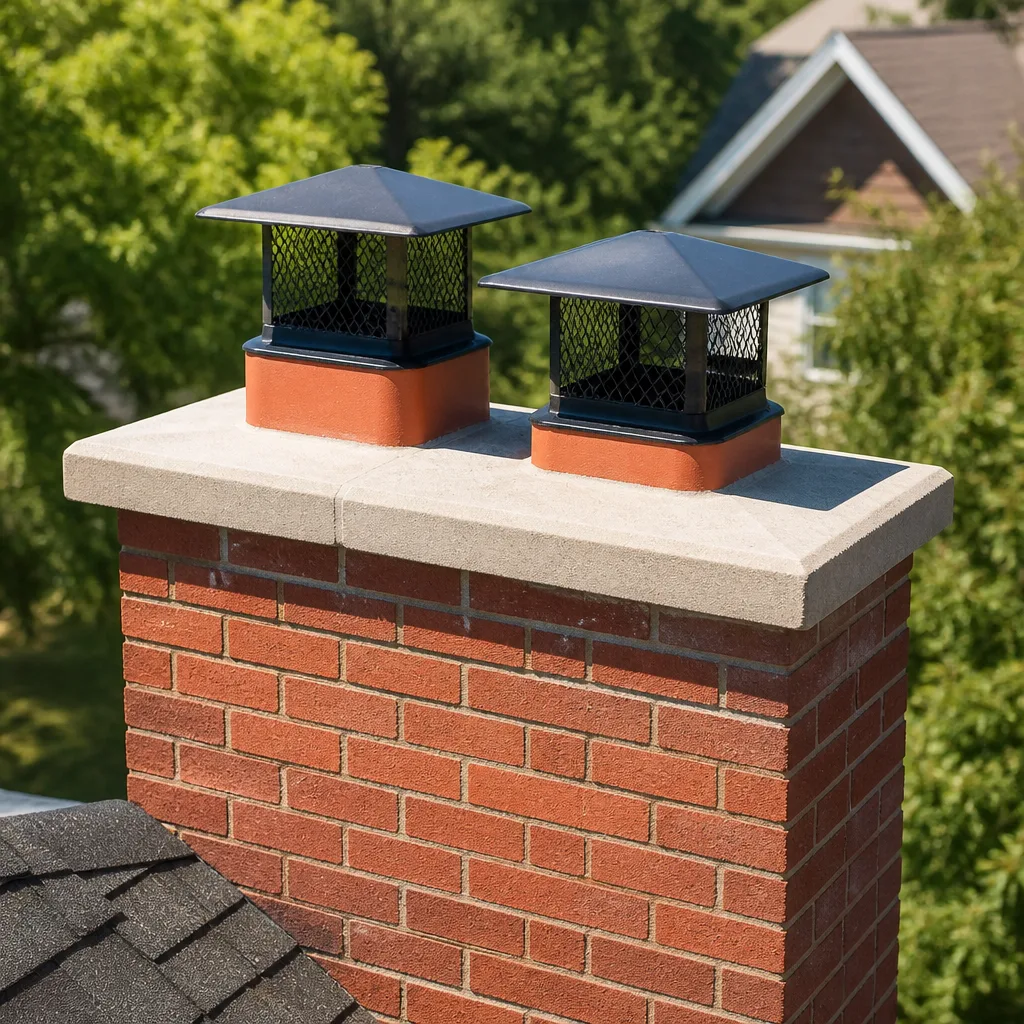 Caps & crowns
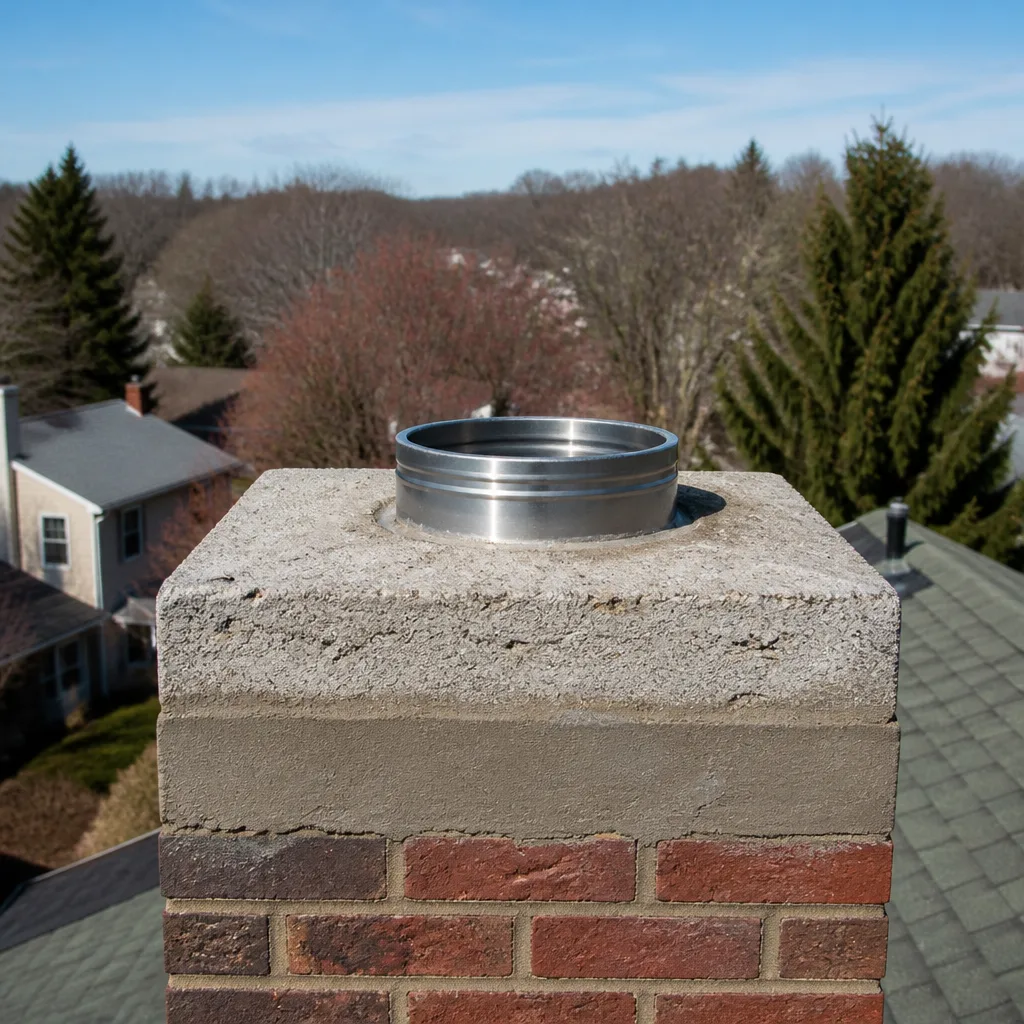 Flue relining
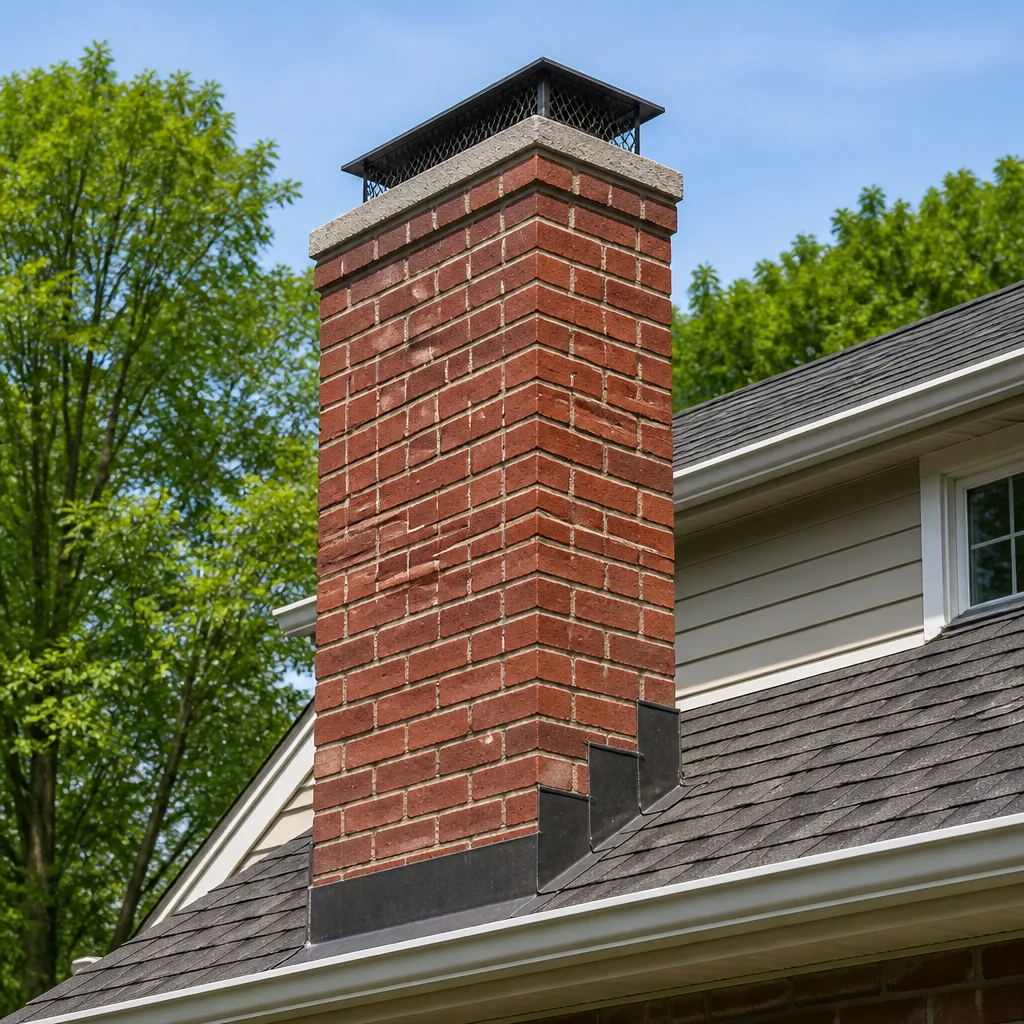 Masonry repair
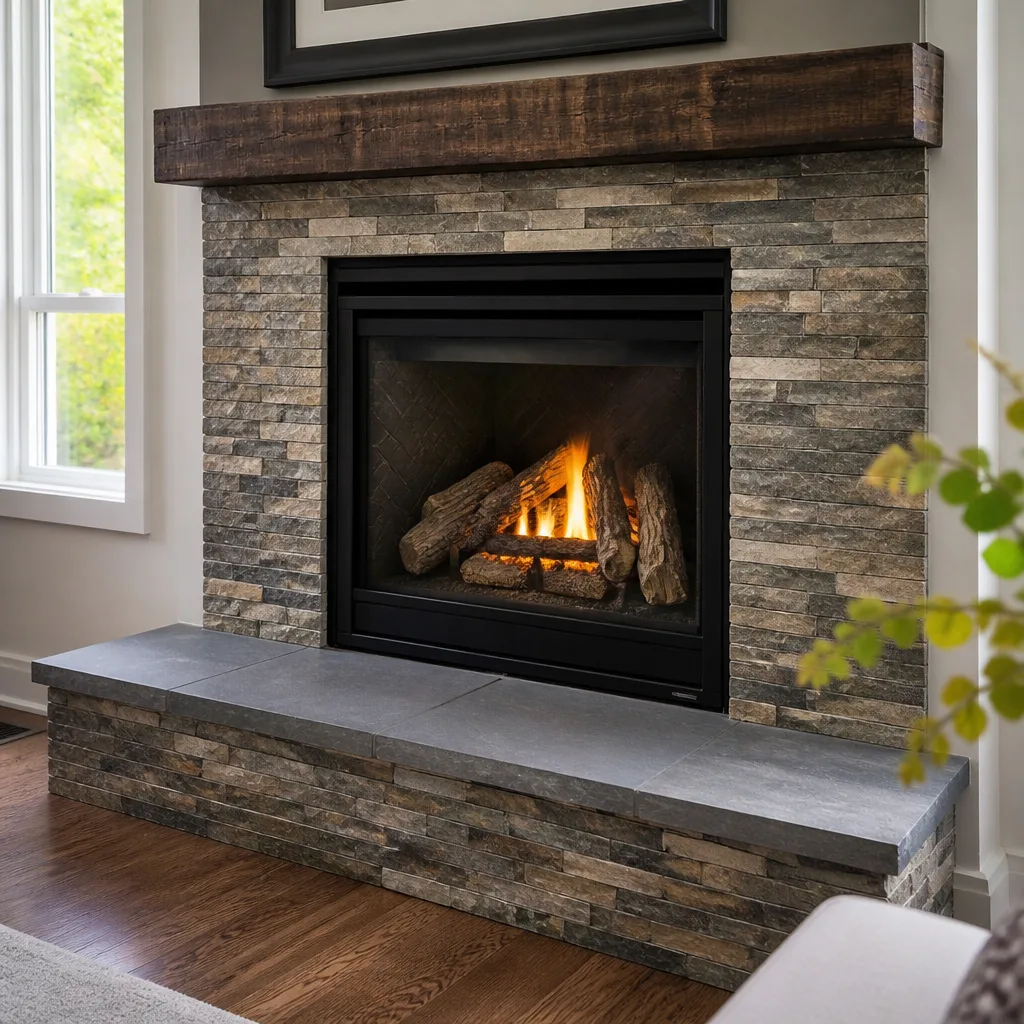 Gas fireplace service
Level 1 sweep and inspection to the NFPA 211 annual standard - flue, crown, cap, and flashing checked and photographed
Chimney sweep logs do not sweep chimneys. They loosen some creosote - which then falls where a brush and vacuum still have to collect it.
Chimney Cleaning Permits, Codes & Inspections in Borough Park, NY: What You Need to Know
Most homeowners in Borough Park assume the only thing standing between them and a cleaner chimney is a phone call and a check. That part is true, and it’s also where the paperwork questions begin. Cleaning a flue doesn’t require a permit in New York. Changing what that flue is made of, how it’s supported, or which appliance vents into it often does. The confusing part is the line between the two, and that line is drawn by NYC Building Code Title 28 and the NYC Fire Code, not by the sweeper. This guide walks through where cleaning ends and alteration begins, what FC 603 actually asks of you as the owner, how Local Law 11 touches chimney crown and flashing work on attached rowhouses, and how to verify a contractor is pulling the permits covered work requires. Everything here is written from Borough Park, where the housing stock makes these questions sharper than in most of the city.
Quick Answer
Routine chimney cleaning in Borough Park does not require a permit. Work that changes the chimney’s structure, materials, or connected appliance configuration does, and that includes relining, crown replacement beyond minor patching, and new appliance connections. Under NYC Fire Code Section FC 603, you as the property owner are responsible for keeping solid-fuel appliances and their chimneys maintained and inspected. The practical takeaway: sweep freely, but before any relining or structural job, confirm what the permit picture is and check your Certificate of Occupancy for the permitted appliance setup.
Styles & brands we work with
- Sweep & inspection
- Caps & crowns
- Flue relining
- Masonry repair
- Gas fireplace service
Table of Contents
- Where Does Cleaning End and Alteration Begin?
- What NYC Fire Code Section FC 603 Requires of You
- What a Certificate of Occupancy Search Reveals
- How Local Law 11 Intersects With Crown and Flashing Work
- What the Three Inspection Levels Actually Cover
- How to Verify a Contractor Is Pulling Permits
- Why Borough Park Housing Stock Makes This Trickier
- A Step-by-Step Permit and Inspection Sequence
Where Does Cleaning End and Alteration Begin?
Cleaning removes soot, creosote, and debris from an existing flue without changing it. That’s maintenance, and New York doesn’t issue permits for maintenance. Alteration changes the chimney’s physical makeup or its relationship to the appliance. That’s where Title 28 enters, and where a permit generally becomes part of the job.
The clearest way to think about it is by asking one question: after the work, is the chimney system materially different from what was there before? If the answer is yes, treat it as alteration until a licensed professional tells you otherwise.
These jobs almost always cross the line:
- Relining a flue. Installing a new liner changes the flue’s material and often its effective diameter. Whether it’s a stainless flexible liner or chimney repair that resurfaced the existing flue, the system is different afterward.
- Replacing a crown. A crown is structural. Rebuilding or substantially replacing it is not maintenance patching.
- Changing the connected appliance. Swapping a wood-burning fireplace for a gas insert, or adding a new appliance to an existing flue, changes the venting configuration.
- Structural masonry repair. Repointing beyond surface work, rebuilding a smoke chamber, or correcting a lean in the stack.
- Adding or relocating a flue connection. New penetrations or terminations affect the chimney’s function and the building envelope.
These jobs usually don’t:
- Standard sweeping and creosote removal
- Cap installation on an existing, sound chimney
- Minor crown crack sealing with a flexible sealant
- Damper replacement where the existing frame is reused as-is
The honest answer is that the boundary is not always obvious from the outside. That’s why we work inspection first, recommendation second. A documented inspection tells you what’s actually there before anyone decides whether a permit applies. A sweep who quotes a relining job without an inspection is guessing, and you’re paying for the guess.
What NYC Fire Code Section FC 603 Requires of You
NYC Fire Code Section FC 603 covers maintenance of chimney and flue systems for solid-fuel-burning appliances. The obligation sits with the owner, not the tenant, and not the contractor. That matters because it means the responsibility for a neglected flue doesn’t transfer to anyone else just because you hired someone to sweep it once.
In practical terms, FC 603 asks you to keep the chimney clean, in good repair, and functioning as intended. It also requires that the system be inspected and maintained, and that any defect that could cause a hazard be corrected. It does not tell you how often to sweep. That decision comes from how you burn, what you burn, and what the inspection finds.
For most Borough Park wood-burning households, the workable rhythm looks like this:
- Annual inspection before the heating season starts. This is the anchor. Everything else follows from what the inspection finds.
- Sweep when the inspection calls for it, or when you’ve burned enough wood that creosote buildup is measurable. Heavier burning means more frequent sweeping.
- Correct defects before lighting the first fire, not after. A cracked flue tile or a failed cap is not a wait-and-see item.
- Keep records of inspections and any repairs. If a question ever arises about the system’s condition, the paper trail answers it.
The parts of FC 603 that catch homeowners off guard are usually the connection requirements. An appliance has to be connected to a chimney that’s appropriate for it, with the right clearances and venting. A wood stove vented into a flue sized for a fireplace is not a compliant setup, even if it technically draws. The code cares about whether the system works safely and as designed, not whether smoke goes up.
We answer 24/7 if you have a question about whether your setup complies. Fast dispatch from 7am to 7pm, Sunday through Friday.
What a Certificate of Occupancy Search Reveals
A Certificate of Occupancy, or CO, is the city’s record of what a building is legally permitted to contain. For a chimney, that record tells you which appliances are approved to vent into which flues, and whether a fireplace is listed at all. It’s the single most useful document to pull before any alteration work, and almost nobody does it.
What the CO tells you:
- Whether the fireplace in your unit is a permitted feature or an addition that was never recorded.
- Which appliance type (wood-burning fireplace, gas insert, oil or gas furnace flue) is approved for the flue.
- Whether a prior owner made changes that were never filed, which is common in older rowhouses.
- What you’ll need to file if you’re adding a new appliance or changing the venting configuration.
Here’s why this matters more than it sounds. If your CO shows a wood-burning fireplace and you’ve been running a gas insert that a previous owner installed without filing, that insert may not be a lawful configuration. Insurers ask about this. So do inspectors. When you go to reline that flue, the permit application may reference a configuration the city has no record of, and the job stalls until the record catches up.
A Borough Park rowhouse built decades ago and modified twice since is exactly the kind of property where the CO and the reality in the basement diverge. We’ve seen it repeatedly. Pulling the CO first is how you avoid discovering the discrepancy in the middle of a relining job.
How Local Law 11 Intersects With Crown and Flashing Work
Local Law 11 is New York’s facade inspection law. It requires periodic inspection of building facades and the filing of a report on their condition. Chimneys aren’t the headline of the law, but they sit inside its scope. A chimney stack is part of the building envelope, and the crown and flashing are where the chimney meets the roof.
Why this matters on attached rowhouses in Borough Park:
- Crown and flashing are shared-boundary concerns. On a rowhouse, the chimney often sits on a party wall or near one. Water that gets past a failing crown or lifted flashing doesn’t just damage your unit. It can track into the neighboring structure, which turns a straightforward repair into a two-party conversation.
- Facade inspection findings can flag chimney conditions. If a facade inspection reveals deteriorated masonry around the chimney or failed flashing at the roof line, correcting it becomes part of the building’s compliance picture, not just your own maintenance list.
- Permits for crown and flashing work may touch more than the chimney. Work that alters the building envelope on a multi-unit rowhouse can require filings that go beyond the chimney itself. That’s a conversation for a licensed professional familiar with the building type, and it’s worth having before the job is scoped.
What we do is the chimney side of that picture. We inspect, document, and handle the crown, cap, and masonry repair, and we tell you plainly when a condition looks like it belongs in a broader facade or envelope conversation. From the flue to the firebox, that’s our scope. The building envelope beyond the chimney is where a different professional gets involved, and we say so.
What the Three Inspection Levels Actually Cover
A chimney inspection is not a walkaround. The trade recognizes three levels, and each answers a different question. In Borough Park, where homes often have a fireplace plus a separate heating flue, the level matters because the scope changes.
Level 1 inspection. This is the baseline, done when the system is in known service and you’re not changing anything. It covers the readily accessible portions of the chimney and the appliance connection. The technician checks for obstruction, deposit buildup, and visible damage. If you’ve been sweeping annually and nothing has changed, Level 1 is usually the right scope.
Level 2 inspection. This is required when the system changes: a new appliance, a relining job, a change in fuel type, or a property sale. Level 2 goes further, using a camera to look inside the flue where the eye can’t reach. This is the level that catches cracked tiles, gaps in liner joints, and offset flues that a visual check misses. It’s also the level we consider essential before any alteration work, because the camera evidence is what justifies the recommendation.
Level 3 inspection. This is diagnostic and invasive. It’s used when a Level 2 finds a problem that can’t be understood without opening up part of the chimney or adjacent structure. Level 3 is not routine, and it should follow from a specific finding, not a general hunch.
The pattern to remember: the inspection level should match the question. If you’re not changing the system, Level 1. If you’re changing it, Level 2 with camera documentation. If a Level 2 raises something structural, Level 3. Nothing should be recommended without evidence you can see for yourself, and our Chimney Sweep Borough Park inspection service is built that way. If the camera shows a sound flue, we tell you so, even when that means the job is smaller than you feared.
Our technicians have up to 9 years of experience reading these systems. What they find goes into a photo report you keep.
How to Verify a Contractor Is Pulling Permits
The failure mode isn’t a contractor who tells you no permit is needed. It’s a contractor who tells you a permit is needed, takes your money, and never files. Verifying is not complicated. It just takes a few questions asked at the right time.
- Ask who is pulling the permit before the estimate is signed. The answer should name the license holder and the filing method. Vague answers are a warning.
- Get the permit number and job filing reference. A legitimate contractor can give you the filing number once the job is filed. Ask for it in writing.
- Look up the filing. New York City’s online records let you search permits by address. If the filing doesn’t appear, ask why.
- Ask for proof of insurance and licensing before work begins. The local pro is licensed and insured as their state requires. Ask to see documentation, not just be told it exists.
- Confirm who inspects. Filed work typically requires an inspection before sign-off. Ask when it’s scheduled and who attends.
- Get the scope in writing. The written estimate sets the final price and the scope of work. If the scope doesn’t mention permits, and the work requires them, the scope is incomplete.
One more point worth saying plainly: a contractor who offers to skip the permit to save you time is offering to create an unrecorded material change to your chimney. When an insurer reviews a fire claim and finds a relining job the city never knew about, that’s the kind of detail that complicates coverage. We’ve watched homeowners deal with the fallout of exactly that. The permit isn’t red tape. It’s the record that the system was changed by someone accountable.
Why Borough Park Housing Stock Makes This Trickier
Borough Park’s residential blocks are dominated by pre-war rowhouses and small multi-family buildings, often with a fireplace in the original living space and a separate flue serving heating equipment. That combination creates a few recurring situations.
- Two flues, two conditions. The fireplace flue and the heating flue rarely wear the same way. One may have been swept every year while the other hasn’t been touched since the heating system was serviced. An inspection that only looks at the fireplace misses half the chimney.
- Unrecorded appliance changes. A gas insert added to a wood-burning fireplace without a filing is a common find. So is a heating appliance moved or replaced without updating the venting record.
- Party-wall chimneys and shared stacks. On attached rowhouses, the chimney is often shared or sits on a boundary. Repairs to the crown or stack can affect the neighbor, and that changes the planning conversation.
- Weather that works the mortar. Freeze-thaw cycles over a New York winter are hard on masonry crowns and flashings. A crown that looks fine in October can open up by February. This is why the inspection goes before the heating season, not after.
- Creosote buildup patterns. A household that burns seasoned hardwood at moderate temperatures builds creosote differently from one that burns hot and fast. The buildup you have determines how often the flue needs sweeping, and no calendar rule replaces looking.
We serve Borough Park households with fireplaces, gas inserts, and oil or gas flues, and the jobs we’re called to most often start with a question about whether something is code-compliant. The answer usually comes from looking, not from a phone opinion. Inspection first, recommendation second is how we approach every Borough Park home.
A Step-by-Step Permit and Inspection Sequence
If you’re planning any chimney work beyond routine sweeping, this is the sequence that keeps you compliant and keeps your records clean.
- Pull the Certificate of Occupancy. Confirm what appliances are legally permitted to vent into the flue. Note any discrepancy between the CO and what’s actually installed.
- Book a Level 2 inspection. Get camera documentation of the flue interior, the appliance connection, and the crown and cap. This is the evidence base for everything that follows.
- Review the photo report with the technician. Ask specifically which findings require a permit and which don’t. Get the reasoning, not just the conclusion.
- Scope the work and get a written estimate. The estimate should name the materials (for a relining job, the liner system being quoted), the permit responsibility, and the final price.
- Confirm the permit filing. Get the filing number when the job is filed. Verify it against the address in the city’s online records.
- Schedule the installation. For relining, this is where the liner system goes in. We install DuraFlex flexible liner systems and can resurface a flue with HeatShield where that’s the better fit than full replacement. Both are trade-grade materials, and both are documented in the job record.
- Attend or confirm the inspection. Filed work typically requires an inspection before sign-off. Make sure the inspection happens and the record reflects it.
- File the documentation. Keep the inspection report, the estimate, the permit number, and the inspection sign-off together. That folder is your answer if a question ever comes up about the chimney’s history.
We work with recognized brands on these jobs: DuraFlex, HeatShield, Gelco, Olympia Chimney, Famco, and Copperfield. The brand specificity matters because it’s a record. If the flue is ever inspected again, the liner system and its installer can be identified from the paperwork. One crew, start to finish, means there’s no handoff to a second contractor and no gap in who’s accountable for what was installed.
If your cap or crown is the part of the system under review, our chimney cap & crown work covers installation and replacement on the existing stack, scoped to what the inspection finds rather than what a sales call estimates.
Common Mistakes to Avoid
- Assuming the whole job is permit-free because the sweep is. Sweeping doesn’t require a permit. Relining, crown replacement, and appliance changes usually do. Homeowners who assume the permit question is settled because it wasn’t raised on the phone are the ones who discover it mid-job.
- Skipping the Certificate of Occupancy search. If the CO shows a wood-burning fireplace and there’s a gas insert in it, that configuration may not be lawful. Discovering this after a permit application is filed is much harder than discovering it before.
- Accepting a relining quote without camera evidence. You can’t verify whether a liner is needed from a verbal description. Ask to see the camera footage and the photo report. A recommendation without evidence is a guess, and you shouldn’t pay for it.
- Hiring a contractor who says the permit isn’t necessary on a job that clearly needs one. A chimney relining job done without the required permit leaves an unrecorded material change, and that unrecorded change can complicate an insurance claim after a fire.
- Treating crown and flashing work on a rowhouse as a solo decision. On attached Borough Park rowhouses, the chimney often sits on or near a party wall. A crown or flashing repair can affect the neighboring structure, so the scope should account for that before the job starts.
- Sweeping annually but never inspecting. Sweeping clears what’s there. Inspection finds what’s changed. A flue can pass a sweep and still have a cracked tile that only a camera inspection catches.
- Ignoring the heating flue because the fireplace is the visible one. In Borough Park homes with a fireplace plus separate heating equipment, the flue that isn’t seen is the one most often neglected. Both need a condition check.
See the difference
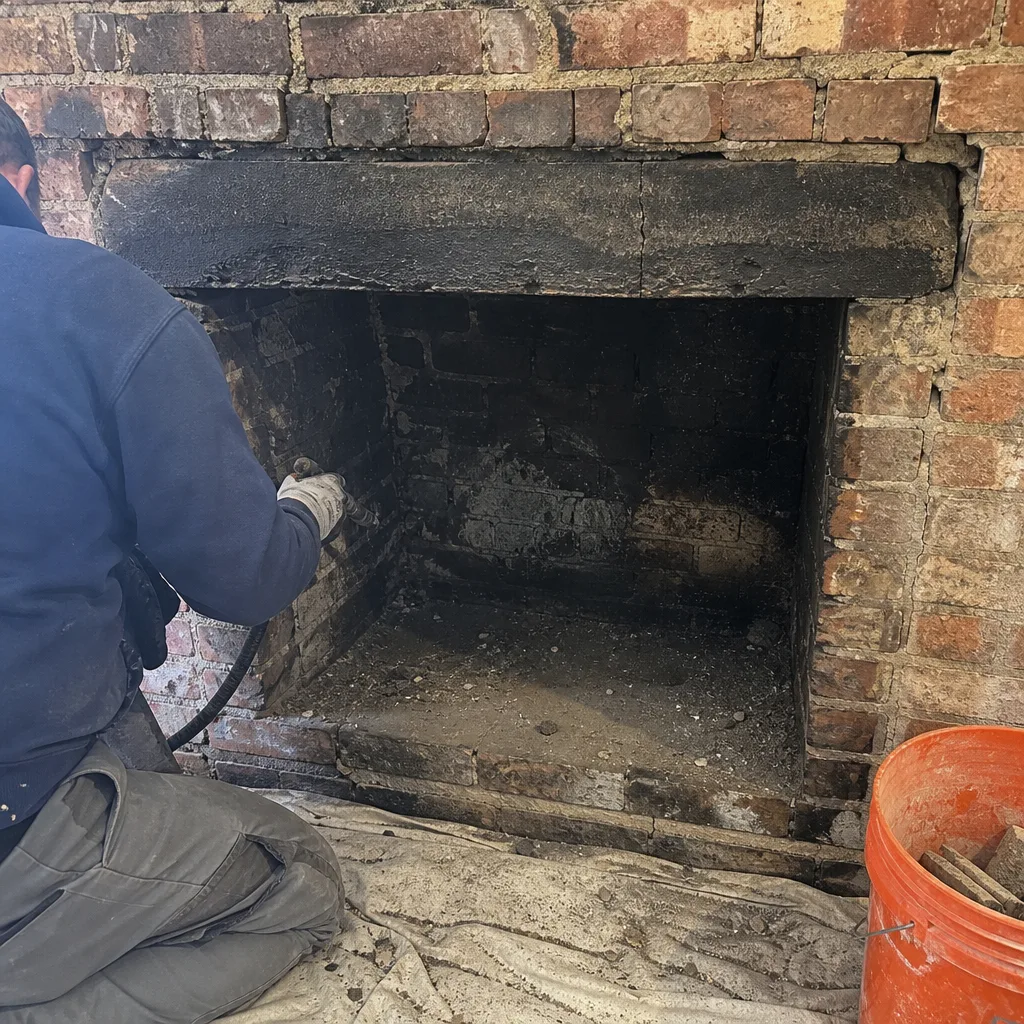 Before
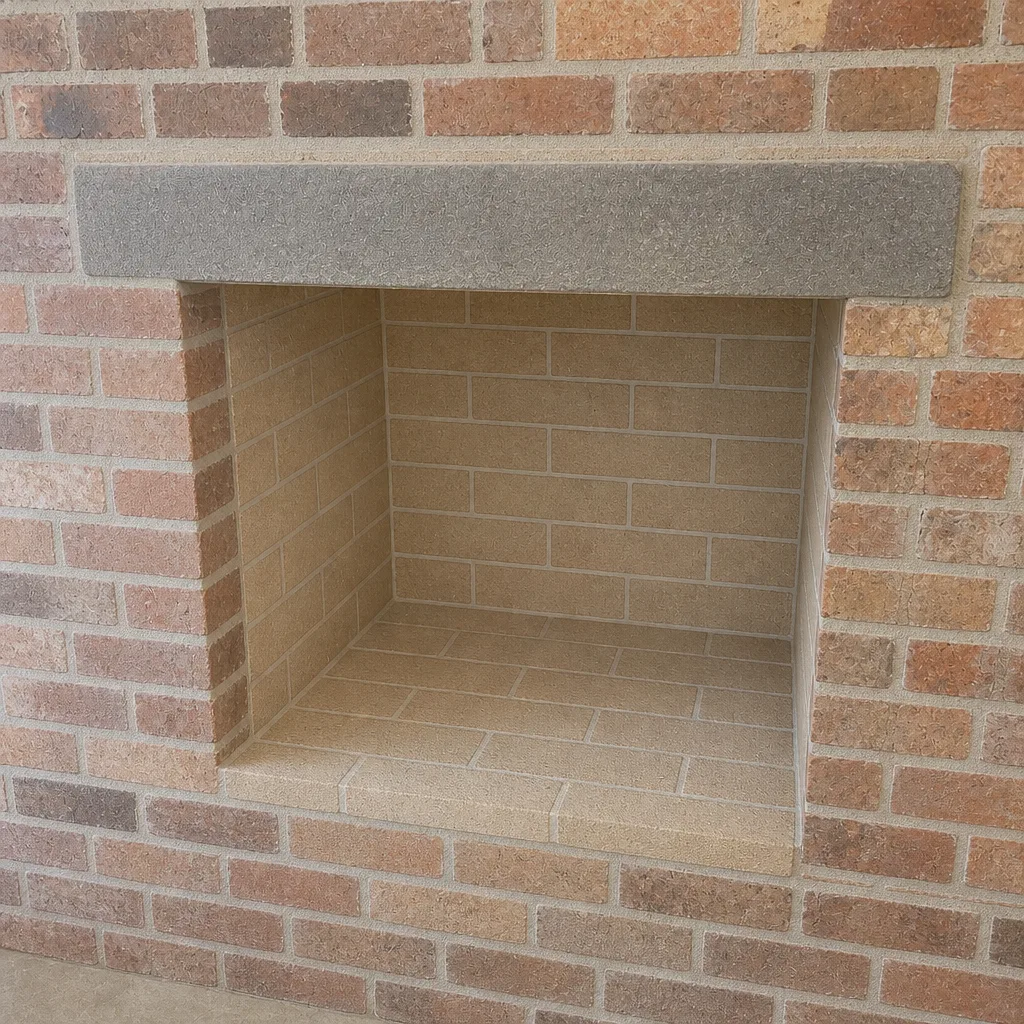 After
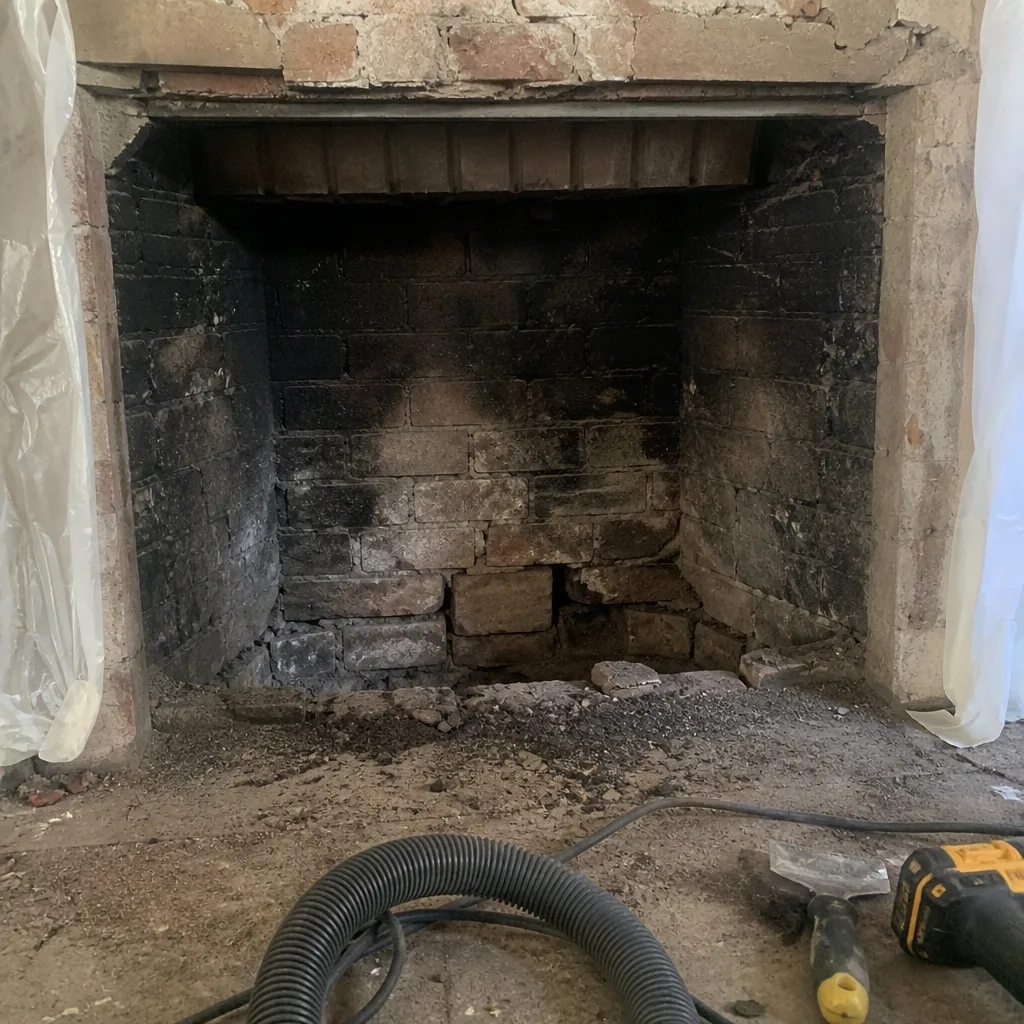 Before
 After
 Before
 After
When to Call a Professional
Call a professional when the question shifts from cleaning to changing. That includes any planned relining job, any crown or stack repair beyond cosmetic sealing, any new appliance connection, and any situation where you can’t trace the chimney’s history. It also includes the moments when something has changed: a fire that drew poorly, a smell in the house when the heating system runs, visible staining on the masonry, or a damper that no longer seats. Those aren’t cleaning signals. They’re inspection signals. Our chimney sweep work begins with the inspection, so what gets swept and what gets repaired is decided by what the camera finds. Chimney Sweep Borough Park offers free estimates in Borough Park. Call (833) 554-1032. We answer 24/7, with fast dispatch from 7am to 7pm, Sunday through Friday.
Frequently Asked Questions
No. Routine chimney cleaning in Borough Park doesn’t require a permit because it’s maintenance, not alteration. A permit generally becomes part of the job when the work changes the chimney’s structure, its materials, or the appliance connected to it. If you’re unsure which side of that line your job falls on, get a Level 2 inspection first, and let the camera findings answer the question. Call (833) 554-1032 for an exact quote; estimates are free.
Usually yes. Installing a new liner changes the flue’s material and often its effective diameter, which makes it an alteration under NYC Building Code Title 28 rather than maintenance. The permit application may also require that the city’s records reflect the appliance configuration, which is why the Certificate of Occupancy matters before any relining job is filed. Call (833) 554-1032 for an exact quote; estimates are free.
FC 603 places the responsibility for maintaining solid-fuel-burning appliances and their chimneys on the property owner. In practice that means keeping the system clean and in repair, having it inspected and maintained, and correcting defects that could cause a hazard. It doesn’t specify a sweeping interval. The right interval comes from what the inspection finds. Call (833) 554-1032 for an exact quote; estimates are free.
Ask who is pulling the permit before you sign the estimate, then ask for the filing number once the job is filed and verify it against the address in the city’s online permit records. A legitimate contractor will give you the number without hesitation. One who deflects or offers to skip the filing is telling you something important about how they operate. Call (833) 554-1032 for an exact quote; estimates are free.
Inspection annually before the heating season, sweeping as the inspection indicates. Heating-season buildup depends on how much you burn and how you burn it, so a fixed calendar rule doesn’t work. The inspection is the anchor, and the sweeping follows from it. We answer 24/7 if you want to book an inspection before the season starts. Call (833) 554-1032 for an exact quote; estimates are free.
Some can, and we say so when that’s the case. Minor crown hairline cracks that aren’t allowing water in can typically be monitored and addressed before the next heating season. Cracked flue tiles, a failed cap, or flashing that’s already letting water into the masonry are not wait items. Nothing gets recommended without camera or photo evidence you can review yourself, and if the work can safely wait, you’ll hear that plainly. Call (833) 554-1032 for an exact quote; estimates are free.
That means the city has no record of that appliance configuration being permitted, which happens in older Borough Park rowhouses where changes were made without filing. It doesn’t automatically mean the setup is unsafe, but it does mean a permit application for new work may stall until the record is reconciled. A Level 2 inspection gives you the current condition, and a licensed professional can advise on how to bring the record up to date. Call (833) 554-1032 for an exact quote; estimates are free.
The Bottom Line
Cleaning a chimney in Borough Park is maintenance and doesn’t need a permit. Relining it, replacing its crown, or changing the appliance that vents into it is alteration, and that’s where Title 28 and FC 603 come into the picture. The sequence that protects you is simple: pull the Certificate of Occupancy, get a Level 2 inspection with camera documentation, review the evidence, confirm who’s filing the permit, and keep the paperwork. Local Law 11 and the rowhouse party-wall reality make crown and flashing work a broader conversation than it looks. None of this is about red tape. It’s about having a record that the work was done by someone accountable. When a recommendation comes without evidence you can see, ask for the evidence. That’s the standard we hold ourselves to.
Call (833) 554-1032 for a free estimate. We answer 24/7, with fast dispatch from 7am to 7pm, Sunday through Friday.
Written by the team at Chimney Sweep Borough Park.