
Last updated November 22, 2026
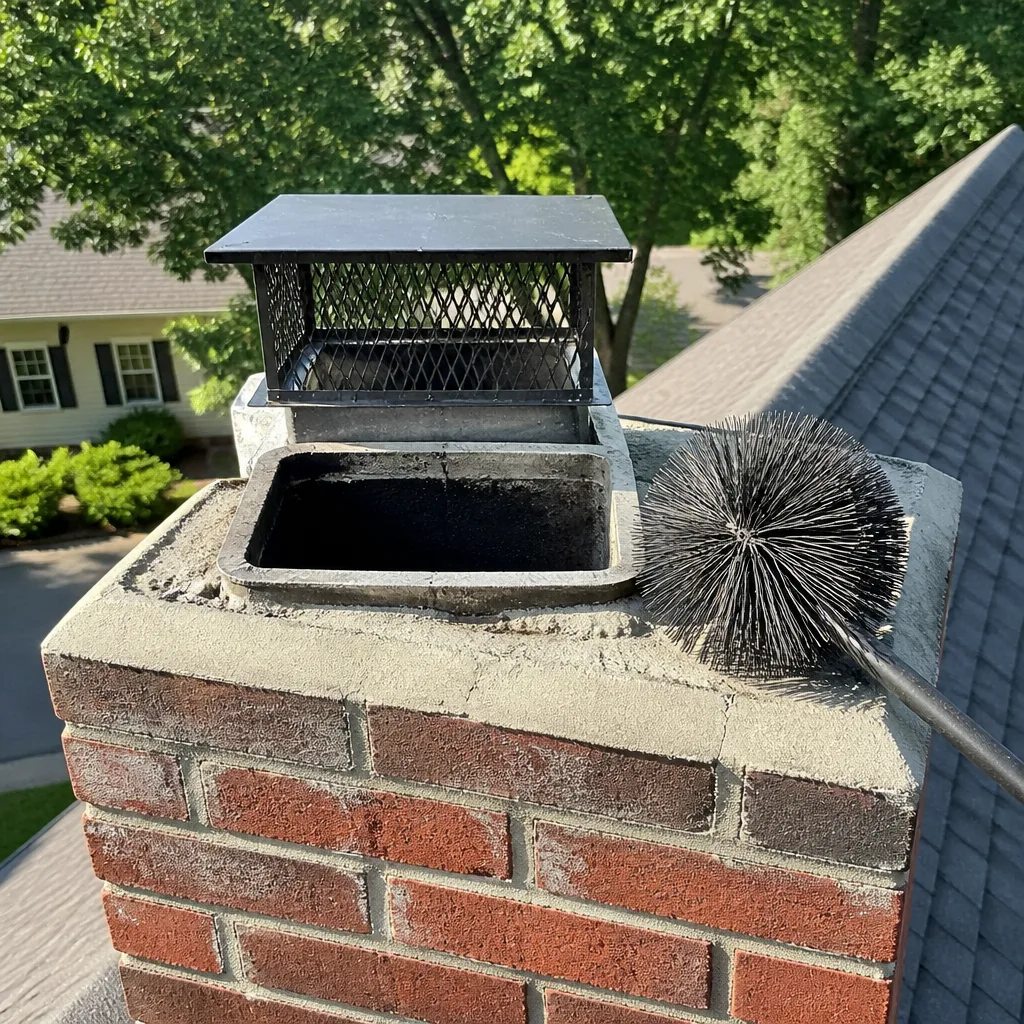 Sweep & inspection
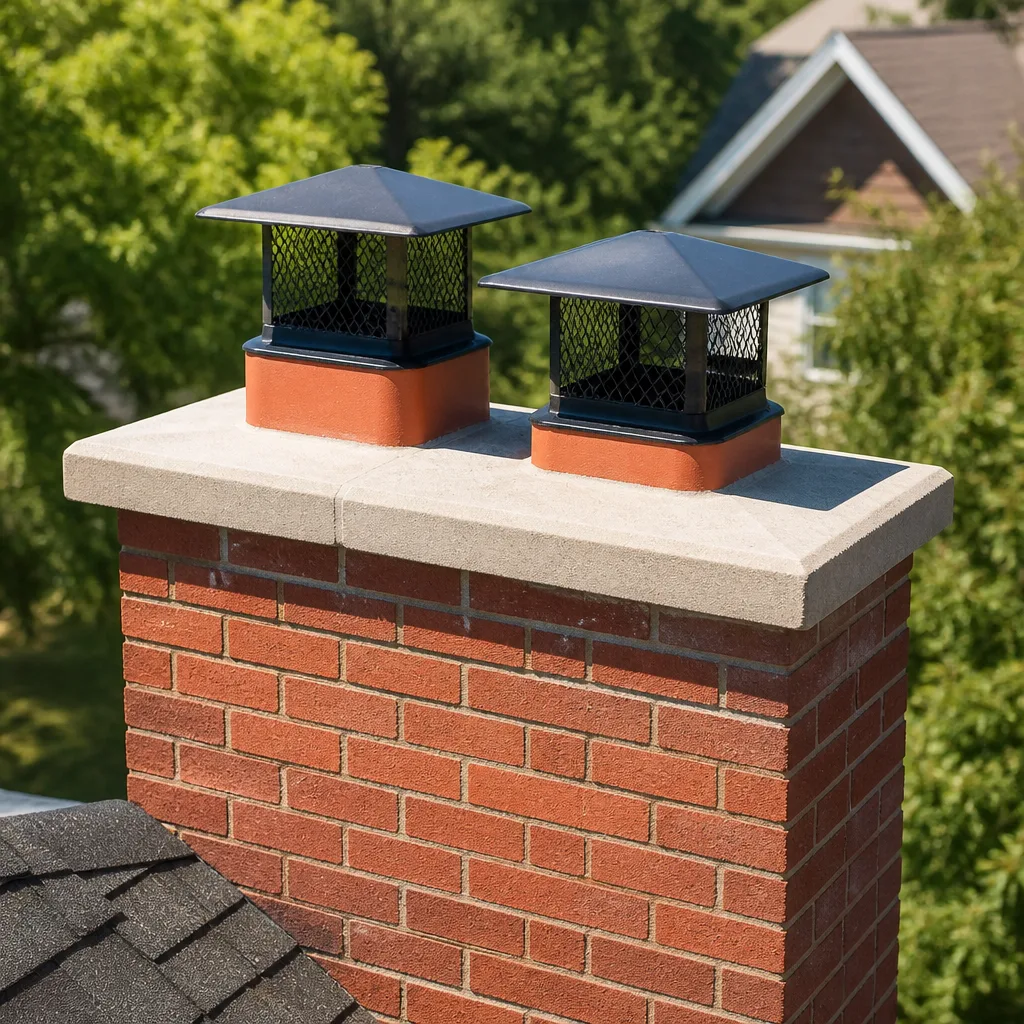 Caps & crowns
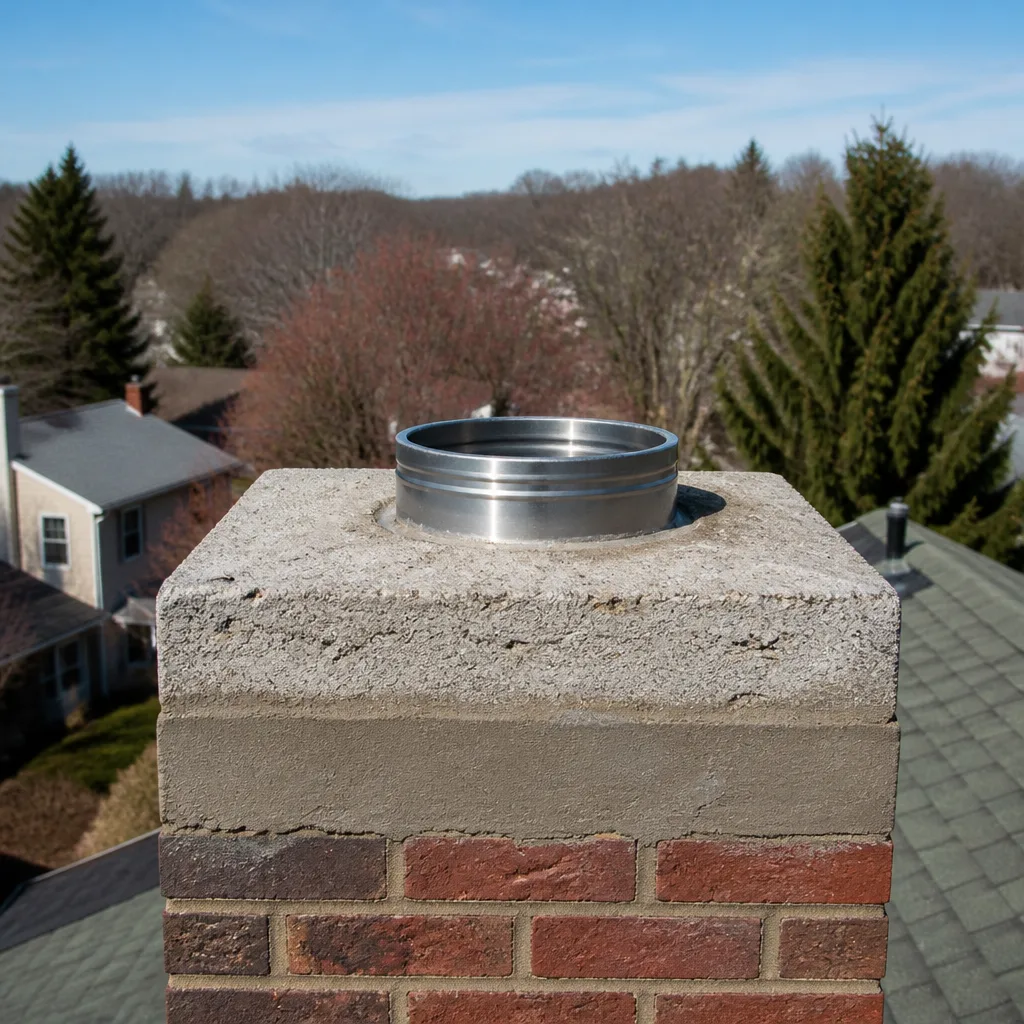 Flue relining
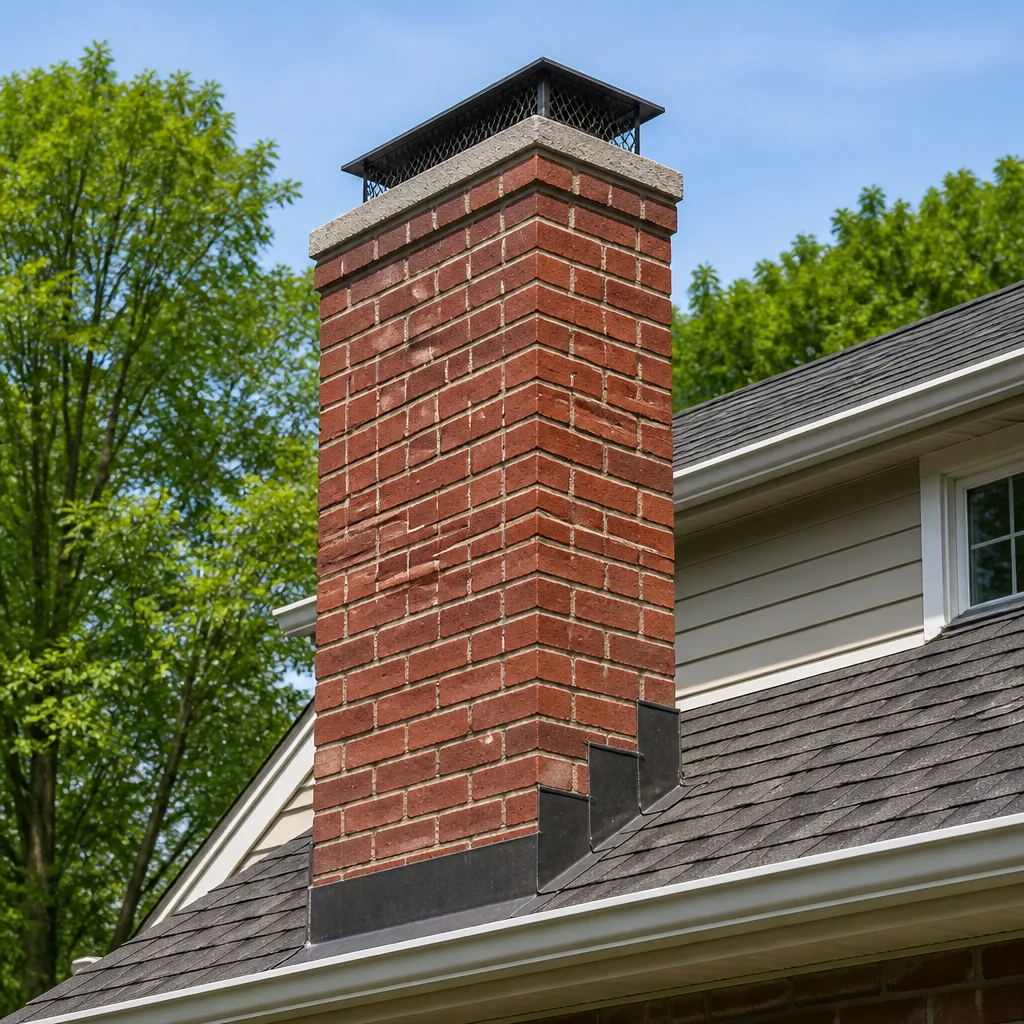 Masonry repair
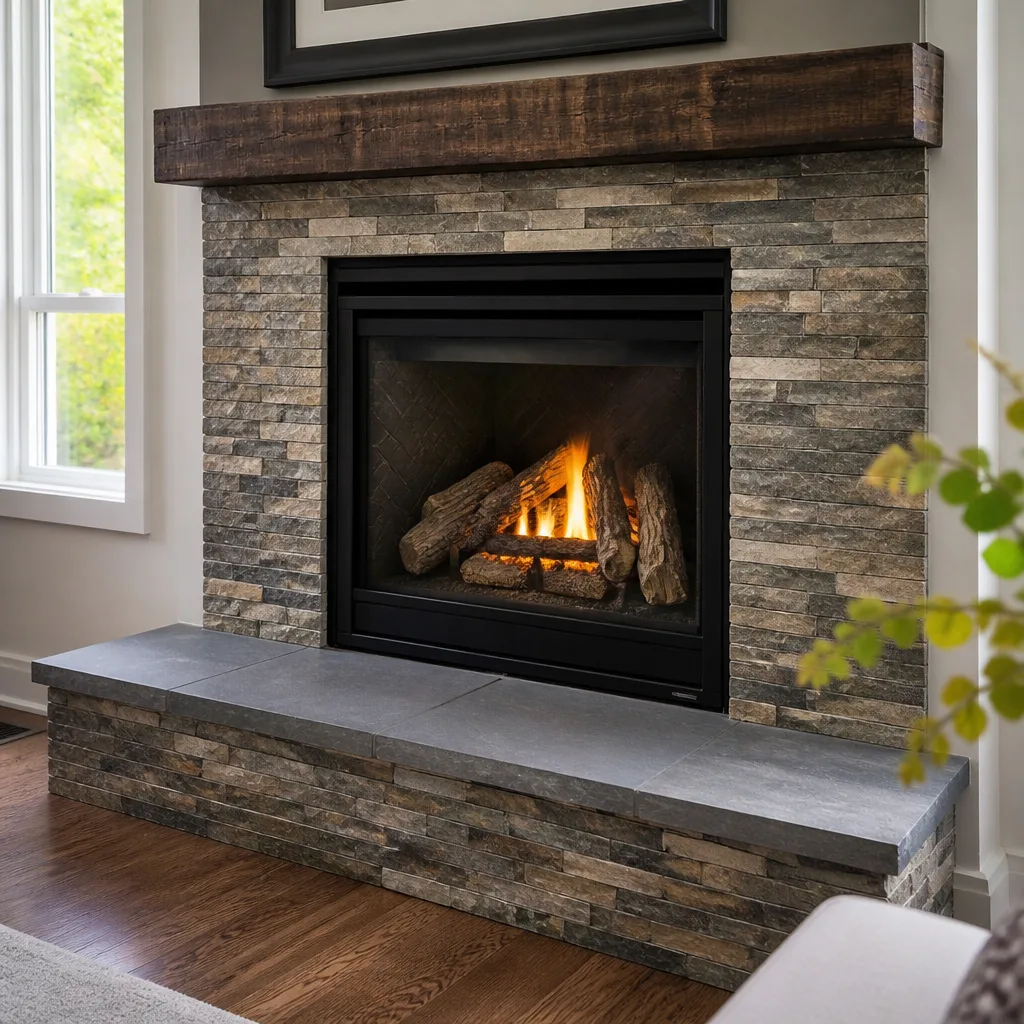 Gas fireplace service
Level 1 sweep and inspection to the NFPA 211 annual standard - flue, crown, cap, and flashing checked and photographed
Chimney sweep logs do not sweep chimneys. They loosen some creosote - which then falls where a brush and vacuum still have to collect it.
Chimney Sweep Maintenance Schedule: What to Do and When
Most homeowners treat a chimney sweep as an annual chore, something to check off in the fall and forget about until next year. But that single annual sweep is the floor, not the ceiling. The standard that guides the trade recommends annual chimney inspections while also stating that frequency should increase based on how much and what you burn, a detail that tends to disappear from most homeowner advice. Your maintenance interval depends on whether your flue carries oil exhaust, gas, wood smoke, or pellet fuel, and on what your liner is made of. This guide from our Borough Park team breaks down what a real schedule looks like, so you can stop guessing and start planning.
Quick Answer
The short version: schedule a chimney inspection at least once a year, and add a cleaning whenever the inspection shows enough creosote buildup to warrant it. Wood-burning fireplaces used regularly generally need sweeping once a year, oil and gas flues need annual inspection with cleaning on an as-needed basis, and pellet stoves tend to need more frequent attention than wood. As liners age, inspections become more urgent, not less. When in doubt, inspection first, recommendation second.
Styles & brands we work with
- Sweep & inspection
- Caps & crowns
- Flue relining
- Masonry repair
- Gas fireplace service
Table of Contents
- The Frequency Matrix: Matching Your Schedule to Your Fuel
- Level 1 vs. Level 2 Inspections: What You’re Actually Scheduling
- The Two Borough Park Seasonal Windows
- Liner Material Lifespan and Why It Changes Your Interval
- Between-Service Homeowner Checklist
- Reading the Signs: When Your Schedule Needs to Move Up
- When to Call a Professional
- Frequently Asked Questions
The Frequency Matrix: Matching Your Schedule to Your Fuel
There’s no single chimney maintenance schedule that fits every home, and that’s the first thing worth understanding. What you burn determines how much residue ends up in the flue, how corrosive that residue is, and how quickly the system degrades. Here’s how the four main fuel types stack up.
| Fuel Type | Inspection Interval | Cleaning Interval | Notes |
|---|---|---|---|
| Oil heat flue | Annually | As-needed, based on inspection | Oil exhaust leaves soot and sulfur deposits; annual inspection catches liner deterioration early |
| Gas flue | Annually | As-needed, based on inspection | Gas burns cleanly but produces moisture; liners and caps need checking for condensation damage |
| Wood-burning fireplace or stove | Annually, or more if heavily used | Usually once a year when used regularly | Creosote is the main concern; buildup depends on wood quality and burn habits |
| Pellet stove | Annually, or more if heavily used | Frequently, often multiple times per season | Pellet ash accumulates fast; venting and combustion components need regular attention |
For oil and gas flues, the risk is slower and quieter than with wood. There’s no dramatic creosote buildup, but moisture and chemical byproducts can eat away at a liner over time, and you won’t see it from the firebox. That’s why an annual inspection matters even when the chimney seems fine. For wood-burning systems, creosote is the variable that changes everything, and how you burn matters as much as how often. Seasoned wood burned hot produces less creosote than green wood burned slowly. In our experience, two homeowners with identical fireplaces can end up on very different cleaning schedules based purely on burn habits.
If you’re not sure which category your home falls into, an initial chimney inspection will tell you. From there, you can set a schedule that actually matches your usage instead of following generic advice.
Level 1 vs. Level 2 Inspections: What You’re Actually Scheduling
A “chimney inspection” can mean very different things depending on the level. Understanding the difference means you know what you’re booking and what you’re getting, not just that something got checked. The trade recognizes three levels, and two of them are the ones you’ll encounter most often as a homeowner.
Level 1 Inspection
A Level 1 inspection covers the readily accessible portions of your chimney and venting system: the firebox, the damper, the visible sections of flue, and the exterior components you can see from the ground. It’s the standard inspection for a chimney that’s in continued service with no changes to the system. If you’ve been burning the same fuel in the same appliance with no alterations, a Level 1 is typically what you schedule alongside your annual sweep.
Level 2 Inspection
A Level 2 inspection goes further. It includes everything in a Level 1 plus a video camera scan of the flue interior, and it covers accessible portions of attics, crawl spaces, and other areas where the chimney passes through the structure. You’d schedule a Level 2 when something has changed: a new appliance, a fuel switch, a liner replacement, a property sale, or after a chimney fire or seismic event. It’s also the right call when you’ve noticed performance changes you can’t explain.
Here in Borough Park, where a lot of the housing stock is older and chimneys have been through decades of use, we often recommend a Level 2 as the baseline for a first visit. You can’t build a maintenance plan on assumptions about what’s inside a flue you’ve never looked at. Video inspection gives you documented evidence, which is exactly what you want when decisions about repair or relining come up later.
The Two Borough Park Seasonal Windows
Borough Park’s climate gives you two clear windows in the year when chimney maintenance makes the most sense, and each appointment should accomplish something different. Getting this rhythm right is often the difference between smooth heating seasons and mid-winter surprises.
Pre-Heating Season: Late Summer into Early Fall
This is the appointment to book before the first cold snap, and it’s the one most homeowners think of. The goal here is readiness. A pre-season visit should include:
- A full inspection of the flue, firebox, damper, cap, and crown.
- A sweep if the inspection shows buildup that warrants it.
- Confirmation that the cap is intact and the crown isn’t cracked, since both protect the chimney from rain and snowmelt.
- A check of the liner for deterioration, especially if it’s clay tile and of unknown age.
- A quick draft test to confirm the system will pull smoke properly when you light the first fire.
Booking early also means you’re not competing for appointments once the heating season starts and everyone realizes their chimney needs attention.
Post-Season: Spring into Early Summer
This window is about assessment and repair. After a full heating season, your chimney has accumulated whatever it accumulated, and any damage from freeze-thaw cycles through the winter is now visible. A post-season visit should accomplish:
- Assessment of creosote buildup from the season’s burning, so the next pre-season sweep can be scheduled accurately.
- Identification of any masonry or crown damage that developed over the winter and should be repaired before it spreads.
- Confirmation that caps and crowns survived the weather intact, and scheduling for any chimney cap & crown work that’s needed.
- A record of the system’s condition that you can compare against next year.
Spring is also a practical time to schedule any chimney repair, since the work can be done well before the next heating season. A chimney that gets repaired in spring has months to settle before it’s put back into service.
Liner Material Lifespan and Why It Changes Your Interval
The liner is the part of your chimney that actually does the venting, and what it’s made of has a lot to do with how urgently you need to be inspecting it. A newer stainless steel liner is a different maintenance proposition than a fifty-year-old clay tile flue with visible gaps. Here’s a breakdown of how the three main liner types age.
Clay Tile Liners
Clay tile is the traditional liner material, and its lifespan depends heavily on how it was installed and how it’s been used. The tiles are jointed together, which means those joints are the weak point: over time, expansion and contraction, moisture, and corrosive flue gases can open them up. A tile flue with deteriorating joints is exactly the kind of problem a Level 2 video inspection is designed to find. As a clay tile liner ages, inspections go from “once a year” to “once a year, and we need to pay close attention to the joints each time.”
Cast-in-Place Liners
Cast-in-place liners are poured or sprayed in place to form a continuous, seamless flue. They have no joints, so they avoid the main failure mode of clay tile. That said, they still age, and they can crack under heat stress or separate from the chimney structure over time. Cast-in-place liners are typically inspected annually like any other liner, with particular attention to the top and bottom terminations, where stress is highest.
Stainless Steel Liners
Stainless steel flexible liners are the modern standard for relining, and products like DuraFlex are designed to handle the temperature swings and chemical exposure of a working chimney. Their lifespan is long, but not unlimited. Annual inspections remain important because even a stainless liner can develop problems at joints or connections, and a liner that’s been in service for a decade or more deserves the same scrutiny as anything else in the system. If a stainless liner ever needs replacing, working with the same product family that’s already in your chimney simplifies the job.
Beyond visual inspection, liner resurfacing is an option in some cases. HeatShield is a resurfacing product applied to restore a deteriorated flue’s interior without a full tear-out, and its application is one of the reasons we keep it on hand. But resurfacing, like relining, should only be recommended when the inspection shows it’s needed. That’s the inspection-first discipline we bring to every Borough Park chimney we look at.
See the difference
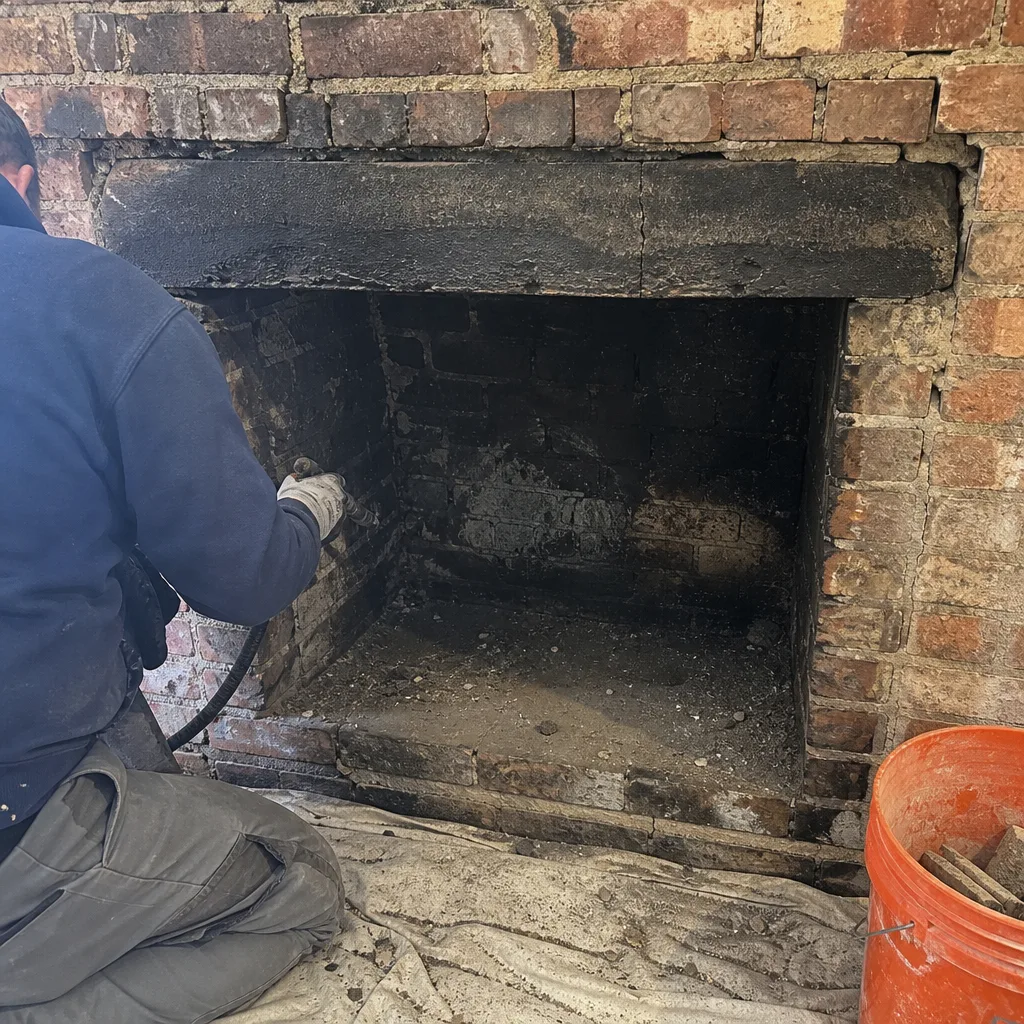 Before
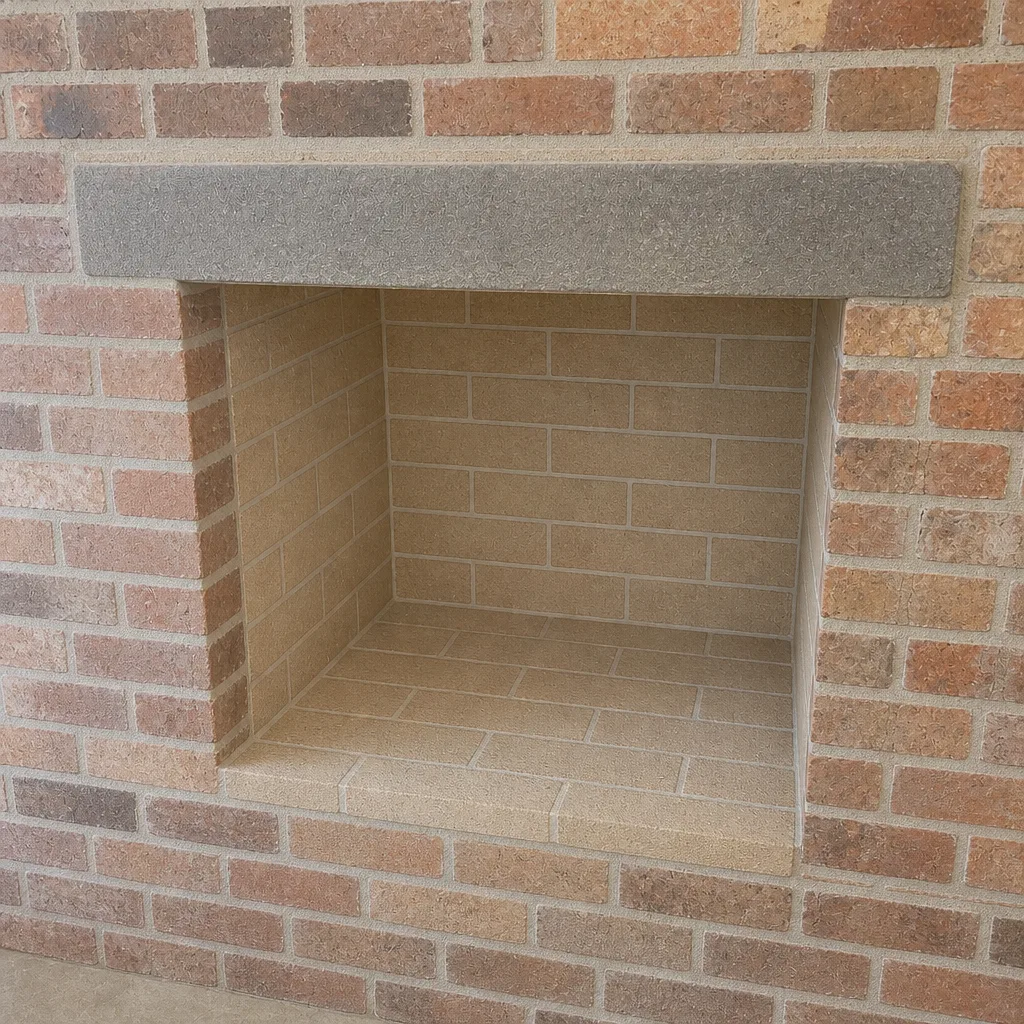 After
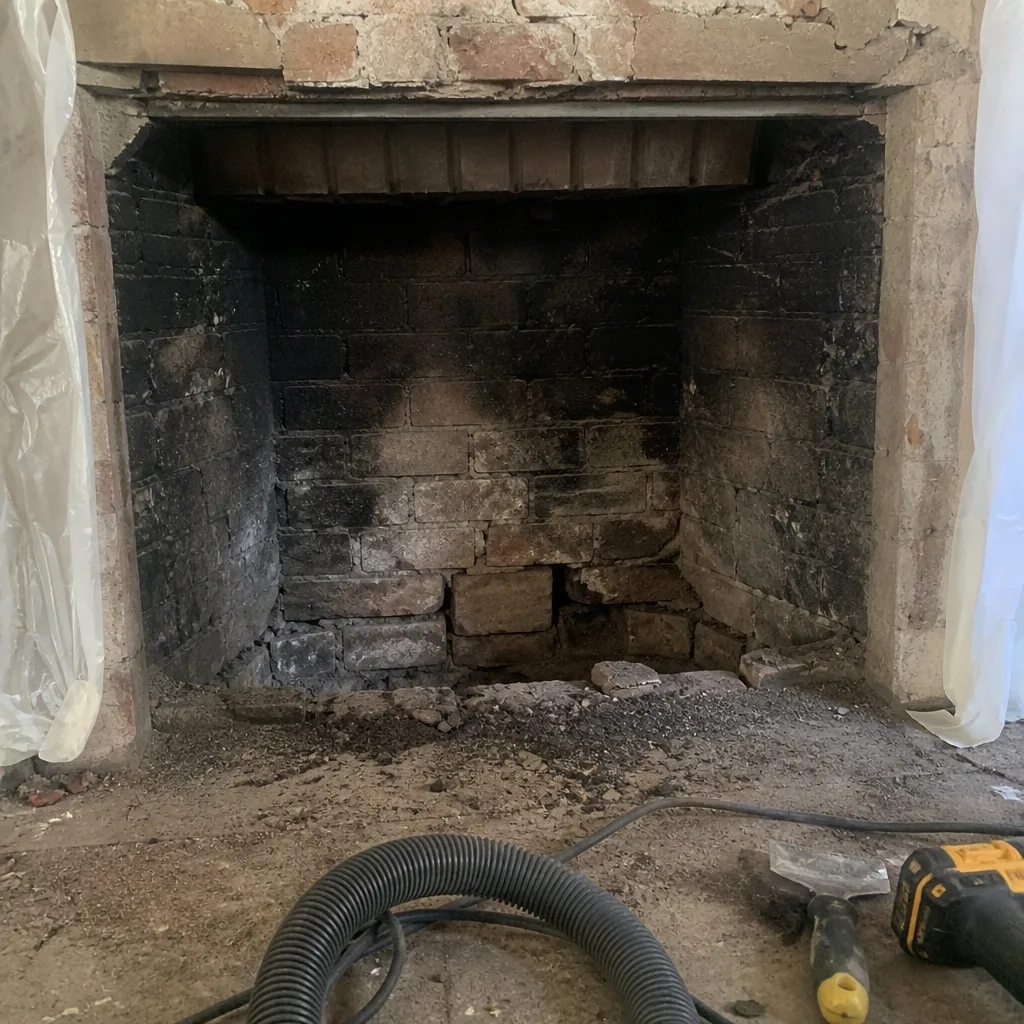 Before
 After
 Before
 After
Between-Service Homeowner Checklist
You don’t need to climb on your roof to keep tabs on your chimney between professional visits. A few simple checks throughout the year will tell you whether your schedule is on track or whether something needs attention sooner. Here’s what to look at, and what each check is telling you.
- Check the cap from the ground. Look up at the top of your chimney with binoculars after storms. A cap that’s tilted, missing, or has visible rust means the flue is exposed, and you should schedule a visit.
- Look for crown cracks. The concrete crown at the top of the chimney should be intact. Visible cracks let water into the masonry below, and water damage is the start of most structural problems. If you can see cracking from the ground, it’s worth a call.
- Watch the first fires of the season. Light a small fire early in the fall and pay attention. Smoke that backs up into the room, a fire that struggles to draw, or a smell that lingers after the fire’s out are all signs the flue needs attention before winter.
- Note how much you burn. A rough count of fires per month is enough. Heavy use stretches your cleaning interval shorter; light use may let you go longer between cleanings.
- Check for moisture inside the firebox. Dampness, rust on the damper, or a musty smell inside the firebox after rain suggests water is getting in somewhere it shouldn’t.
- Look at the woodpile. If your firewood is green or stored uncovered, creosote buildup will be faster. Seasoned, dry wood burns cleaner and keeps your cleaning schedule closer to normal.
None of these checks replace a professional inspection, but they give you a working sense of your chimney’s condition between visits, so you’re not relying on memory or guesswork when you book the next appointment.
Reading the Signs: When Your Schedule Needs to Move Up
Even a well-planned schedule sometimes needs to shift. Certain situations call for an earlier appointment than your normal interval would suggest, and in our experience these are the ones homeowners most often miss because they don’t know what to watch for.
- A chimney fire, even a small one. A chimney fire can cause internal damage that isn’t visible from the firebox, and a Level 2 inspection is the right response regardless of how recently you were swept.
- A change in how the fireplace performs. Sudden smoking, weak draft, or a fire that’s harder to light than it used to be often points to a partial blockage or a liner problem.
- Structural changes to the home. A new roof, insulation work, or any change that affects the chimney’s exterior needs a fresh look to confirm nothing was disturbed.
- Appliance or fuel changes. Swapping a wood fireplace for a gas insert, or adding a new wood stove, changes what the flue is subjected to.
- Before a home sale or after a purchase. A Level 2 inspection is standard practice when a property changes hands, and it gives both parties a documented baseline.
- Signs of water intrusion. Staining on the ceiling near the chimney, damp patches on masonry, or white efflorescence on brick all warrant an earlier visit than usual.
In Borough Park, we also see a spike in calls after the first really cold week of the season, when homeowners who skipped the pre-season check discover problems all at once. Booking ahead of that moment keeps the process calm instead of reactive.
Common Mistakes to Avoid
- Treating the annual sweep as the whole plan. Sweeping cleans the flue; inspection tells you what condition the system is in and what needs attention. Skipping the inspection half of the equation is how small liner problems become big ones over a winter.
- Assuming gas and oil flues don’t need attention. They don’t produce creosote, but they do produce moisture and chemical byproducts that wear on a liner. Annual inspection catches deterioration before it becomes a safety issue.
- Waiting until the first cold snap to book. Every Borough Park homeowner remembers the chimney at roughly the same time, which makes pre-season appointments harder to schedule. Booking in late summer or early fall gives you breathing room.
- Burning unseasoned wood to save money. Green wood burns cool and slow, which is precisely the condition that builds creosote fastest. Drying your wood properly shortens your cleaning schedule’s demands.
- Ignoring the cap and crown because they look fine from inside. The cap and crown are your chimney’s first line of defense against rain and snowmelt. They need to be checked during the inspection, not assumed to be fine.
- Skipping the post-season visit. A spring assessment catches freeze damage and records your chimney’s condition after a full heating season, so the next pre-season booking is based on facts, not memory.
- Treating any change inside the flue as a plumbing-style problem you can diagnose yourself. A chimney flue is not a place for improvised repairs. Liner work, resurfacing, and structural repair are jobs for trained professionals with the right materials.
When to Call a Professional
Some situations are clear signals that it’s time to call. If you’ve never had your chimney inspected and you’ve been burning in it, start there. If you’ve moved into a Borough Park home and you don’t have records of past inspections, a Level 2 inspection gives you the baseline you need. If you’ve seen smoke backing into the room, a fire that struggled to light, dampness in the firebox, or visible cracking around the crown, call before your next fire. And if you’ve had a chimney fire, however brief, schedule an inspection before using the fireplace again.
Chimney Sweep Borough Park offers free estimates in Borough Park. Call (833) 554-1032. We answer 24/7. Fast dispatch from 7am to 7pm, Sunday through Friday. One crew, start to finish, so you’re not handed off to a second contractor for cap work, crown repair, or relining. When we recommend work, you’ll see the camera evidence that supports it.
Frequently Asked Questions
For a wood-burning fireplace used regularly, the standard answer is once a year, with a professional inspection as part of that visit. Gas and oil flues need an annual inspection, and cleaning is scheduled based on what the inspection shows. Pellet stoves often need more frequent attention than wood. If you want an exact interval for your chimney, call (833) 554-1032 for a free estimate and an inspection appointment.
A Level 1 inspection is the right choice for a chimney in continued service with no changes, and it’s what most homeowners pair with their annual sweep. A Level 2 inspection is appropriate when anything has changed: a new appliance, a liner replacement, a property sale, or a chimney fire. In older Borough Park housing, we often recommend a Level 2 as the first visit because it gives you a complete picture of the flue. Call (833) 554-1032 to book an inspection.
Skipping a year or two doesn’t automatically create an emergency, but it removes the information you need to make decisions. Creosote builds up without anyone checking it, liners deteriorate invisibly, and small crown cracks let water in. The next inspection typically finds more than it would have if the schedule had been kept, and repairs tend to be larger than they would have been. Call (833) 554-1032 for an inspection and we’ll tell you exactly where things stand.
A visual inspection of the flue and a look inside with a camera will identify liner type: clay tile, cast-in-place, or stainless steel. If you’ve never had the flue examined, the liner type is one of the first things an inspection establishes, and it changes the maintenance schedule you follow. To find out what’s in your chimney, call (833) 554-1032.
The between-service checks on our homeowner checklist are the safe level of DIY involvement: checking the cap from the ground, watching the first fires, and noting how much you burn. Anything that involves the flue interior, liner inspection, or structural work should go to a trained professional. Improvised work inside a chimney is a real safety risk. Call (833) 554-1032 to schedule an inspection instead.
A chimney inspection typically takes less than an hour for a Level 1, and a Level 2 video inspection takes longer depending on the layout of the flue and how much access is needed. Before the appointment, clear the firebox of ash and any leftover wood, and confirm the fireplace is cool. To book, call (833) 554-1032. Our technicians have up to 9 years of experience, and we work with DuraFlex, HeatShield, and Olympia Chimney products when liner work is on the table.
The Bottom Line
The minimum standard is an annual inspection, and the right maintenance schedule is built on top of that minimum, matched to your fuel type, your burn habits, and your liner’s condition. Pre-season appointments get you ready; post-season appointments tell you what the winter did to your chimney. Clay tile liners need closer, more frequent attention as they age; cast-in-place and stainless steel liners still need annual checks. Between visits, a few simple checks at the firebox and from the ground will tell you when your schedule needs to move up. If you’re ready to put a real plan in place, chimney sweep service with a documented inspection is where it starts, and we’re happy to walk you through the rest.
If you’d rather have a fresh look at your system before winter, Chimney Sweep Borough Park is the one to call. We answer 24/7. Fast dispatch from 7am to 7pm, Sunday through Friday. Estimate is free and the price is set per job by the written estimate. Call (833) 554-1032.
Written by the team at Chimney Sweep Borough Park.