
Last updated November 22, 2026
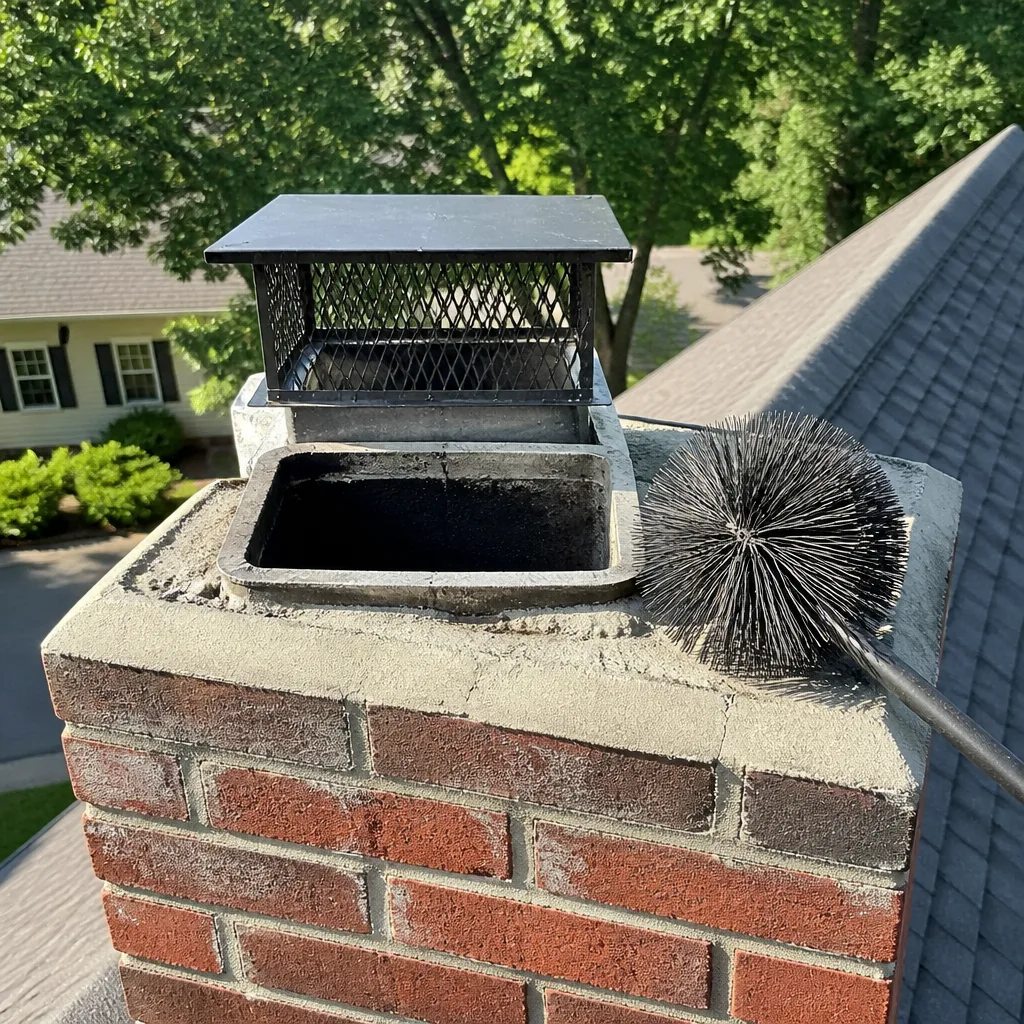 Sweep & inspection
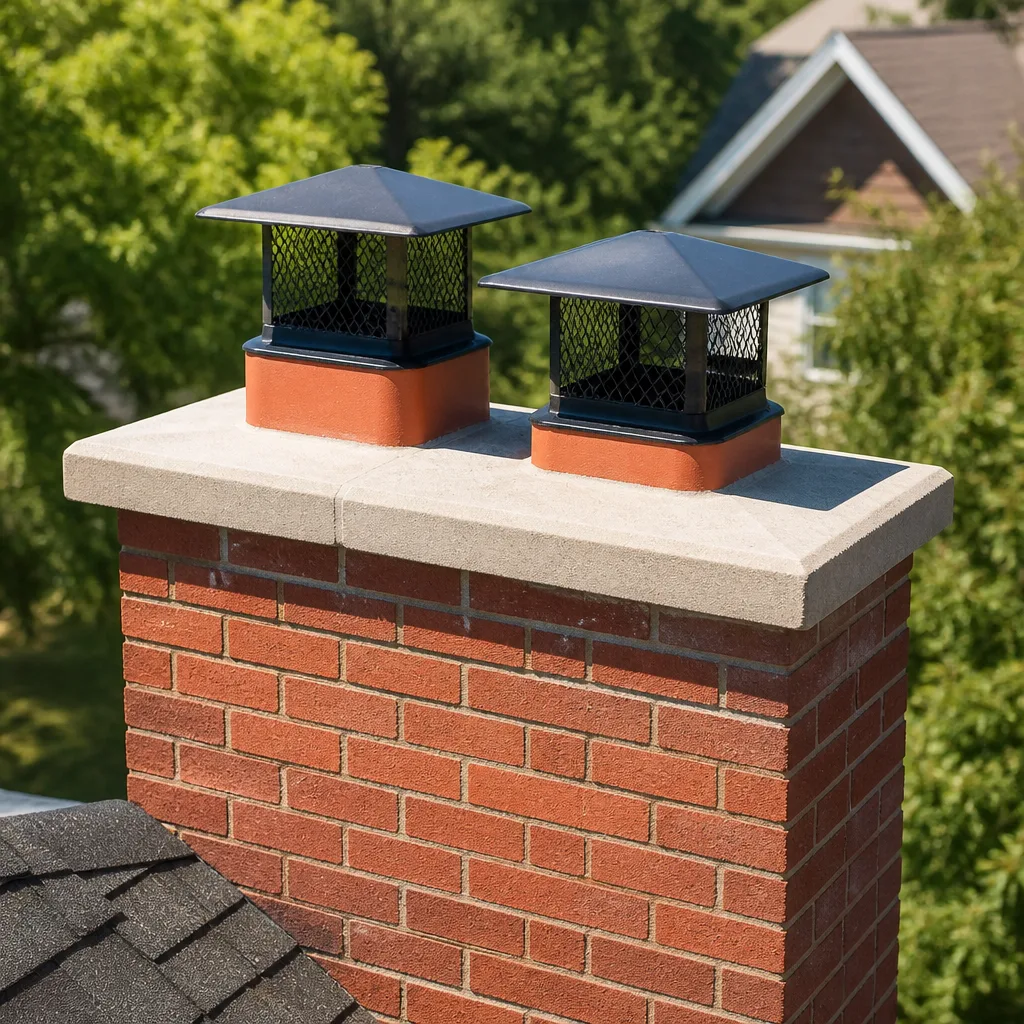 Caps & crowns
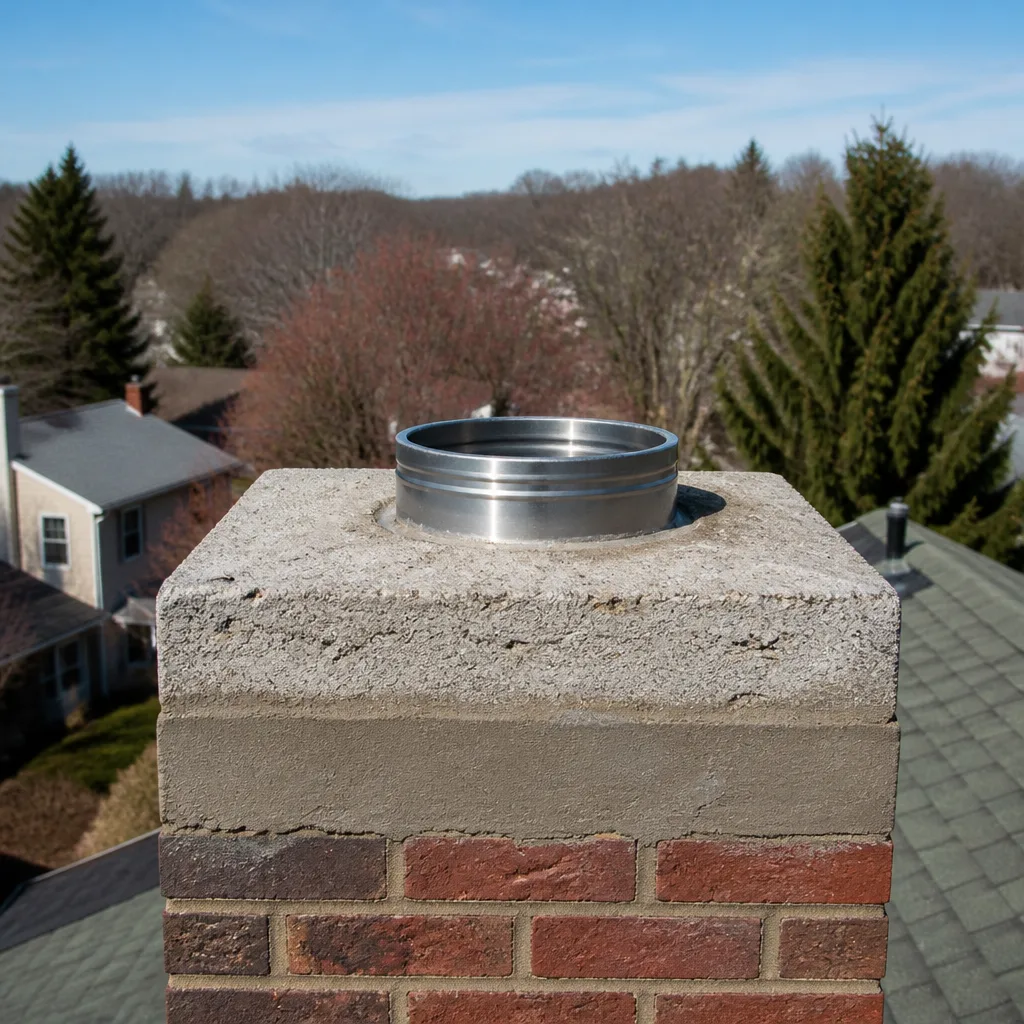 Flue relining
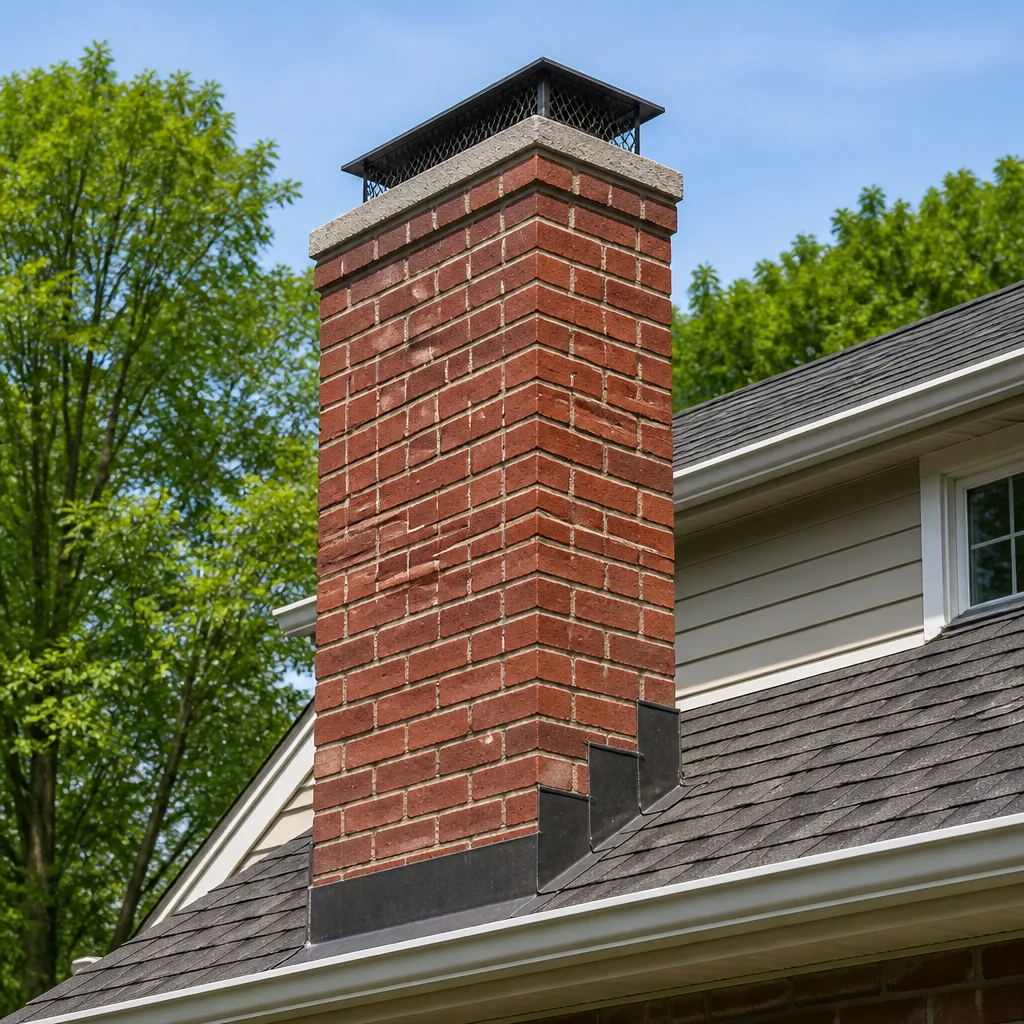 Masonry repair
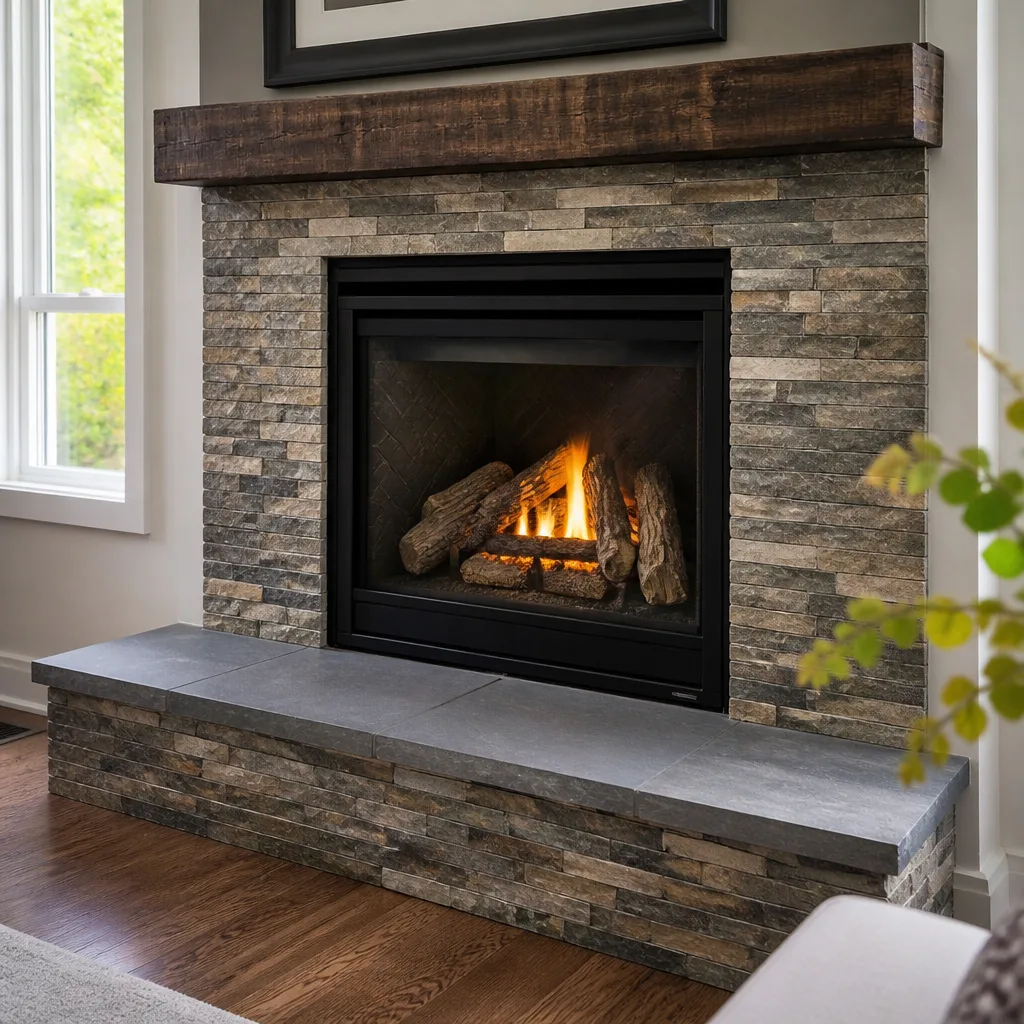 Gas fireplace service
Level 1 sweep and inspection to the NFPA 211 annual standard - flue, crown, cap, and flashing checked and photographed
Chimney sweep logs do not sweep chimneys. They loosen some creosote - which then falls where a brush and vacuum still have to collect it.
Seasonal Chimney Cleaning Care for Borough Park: Year-Round Homeowner’s Guide
Most chimney advice you’ll find tells you to sweep in the fall, right before heating season. That calendar makes sense for a suburban house with a cold, empty chimney for half the year. It makes much less sense in Borough Park, where houses sit close together, flues run hard through the winter, and the real damage happens quietly in the months nobody thinks to look. The most useful inspection of the year usually isn’t the one in October. It’s the one in April and May, when a full heating season has finished stressing your liner and the evidence is still fresh. By the time fall arrives, that evidence has had six months to sit unseen.
This guide walks through all four seasons and gives each one a job. You’ll learn what to check, when to book a chimney sweep, what a pre-season inspection must confirm, and how Brooklyn’s urban heat island shifts the freeze-thaw timing that shapes chimney wear here. It’s written for people who own a wood-burning fireplace, a gas insert, or an oil or gas flue and want to understand what’s happening inside the structure, not just pay someone to run a brush through it.
Quick Answer
Seasonal chimney care in Borough Park works best on a four-part cycle rather than a single fall sweep: inspect in spring to catch liner stress from winter thermal cycling, clean in summer when scheduling is easier, confirm damper sealing and cap integrity before the first fire in fall, and monitor for mid-season warning signs in winter. Each season exposes different problems, and catching them in their own season is what keeps a chimney safe and code-compliant year after year.
Styles & brands we work with
- Sweep & inspection
- Caps & crowns
- Flue relining
- Masonry repair
- Gas fireplace service
Table of Contents
- Spring: Why April and May Show What Winter Did
- Summer: The Off-Season Advantage Nobody Uses
- Fall: What the Pre-Season Inspection Must Confirm
- Winter: Warning Signs to Watch Between Visits
- How Brooklyn’s Urban Heat Island Changes the Calendar
- What a Proper Inspection Actually Involves
- Common Mistakes to Avoid
- When to Call a Professional
Spring: Why April and May Show What Winter Did
Spring is when Borough Park homeowners find out what the heating season actually did to their liner. This is the single most overlooked window in chimney care. Through winter, a flue goes through repeated heating and cooling. Metal liners expand and contract with every fire cycle. Masonry takes on moisture and gives it back. By the end of the season, small weaknesses have had months to develop, and they’re still visible before warm weather and disuse cover them up.
Thermal cycling is the mechanism to understand. A flue that heats to several hundred degrees and then cools back to ambient air several times a day is a flue under constant stress. Metal flexes. Seams work. Clay tile can hairline-crack. None of this means a chimney is failing, but it does mean spring is the honest moment to look, because the stress pattern of winter is exactly what a spring inspection is designed to read.
A sensible spring checklist looks like this:
- Book a formal inspection rather than a quick look. A systematic, documented assessment is a different service from a sweep, and it’s the one that catches hairline issues.
- Ask specifically about liner condition. This is the priority in spring.
- Have the crown and cap checked for winter damage while the inspector is up there.
- Note any staining, rust, or white mineral bloom on the exterior masonry and point it out.
- Record what was found so next spring’s inspection has something to compare against.
If the report comes back clean, that’s a real result. You now know the winter didn’t do meaningful harm, and you can skip ahead to summer cleaning with confidence. If it flags something, you have an entire off-season to plan the fix instead of discovering it the week you want a fire.
Summer: The Off-Season Advantage Nobody Uses
Summer is the best month to actually get work done on a Borough Park chimney, and almost nobody takes advantage of it. In a dense urban market, scheduling is the hidden cost of chimney care. When the first cold snap hits and everyone decides at once that they need a sweep, the calendar fills fast. Booking in June or July means a wide-open schedule, a crew that isn’t rushing to the next job, and time to think through any repair that comes up.
There’s a technical reason for summer cleaning too. Creosote, the tarry residue that builds up in a flue, softens in warm weather. A flue that’s been sitting through a warm stretch is often easier to sweep thoroughly than one that’s cold and brittle from disuse. Debris from spring storms – leaves, twigs, the occasional bird’s nest – has also settled by midsummer and can be cleared before it becomes the reason smoke backs up in October.
Here’s a practical summer plan for a Borough Park home:
- Schedule the cleaning in June, July, or early August, before the fall rush builds.
- Have the firebox cleaned at the same time, not just the flue. Ash and soot accumulation degrades the firebox floor.
- If a liner or masonry repair was flagged in spring, get the written scope during summer so the work can be completed before first fire.
- Ask whether a cap is needed if you don’t have one. A properly fitted chimney cap & crown is the single best defense against rain, birds, and debris all year.
- Confirm the damper opens and closes smoothly while everything is accessible.
The point isn’t that summer work is cheaper or easier in some abstract way. It’s that a market this dense rewards anyone who schedules ahead. A homeowner who books in July has choices. A homeowner who calls in November takes what’s left.
Fall: What the Pre-Season Inspection Must Confirm
A pre-season inspection in fall isn’t a repeat of the spring one. It has a different job. Spring looks for damage; fall confirms readiness. The two things that most often fail between the end of summer and the first fire are the damper seal and the cap integrity, and both are worth checking deliberately.
The damper is the gate that closes off the flue when the fireplace isn’t in use. A damper that doesn’t seat properly lets heated indoor air escape up the chimney all winter and lets cold air, moisture, and even pests in from above. In a Borough Park rowhouse, where chimneys share walls with neighboring rooms, a leaking damper can quietly cost heat for months. Check that it opens freely, closes fully, and sits flush. If it’s warped, rusted shut, or missing a gasket, fall is the time to address it, not January.
Cap integrity matters just as much. Brooklyn summers bring strong storms, and wind-driven rain can wreck a poorly secured cap. A cap that’s loose, rusted through, or missing its screen no longer does its job. Without a screen, birds and squirrels take up residence. Without a solid top, rain gets into the flue, and moisture combined with creosote is how a slow decay starts.
Your fall readiness checklist:
- Confirm the damper seals fully when closed.
- Inspect the cap for looseness, rust, or missing mesh.
- Check the crown, the masonry top of the chimney, for cracks that let water in.
- Do a visual check of the firebox for loose bricks or missing mortar.
- Confirm nothing has nested or fallen in since summer.
- Have a professional verify the flue is clear before the first fire.
Do these before the first cold night, not after. The first fire of the season is the wrong time to discover a problem, and fall inspections fill up fast in Borough Park once the weather turns.
Winter: Warning Signs to Watch Between Visits
Winter is the stretch between professional visits, and it’s where attentive homeowners catch small problems before they grow. You don’t need tools or training for most of this. You need to pay attention to what your fireplace is telling you.
These are the signs worth noticing:
- Smoke that rolls back into the room instead of drawing up the flue. This can mean a partial blockage or a damper that isn’t fully open.
- A weak or lazy draft where you used to get a strong pull. Reduced draft often signals buildup or obstruction.
- New odors, especially a strong smoky or acrid smell when the fireplace isn’t burning. That’s often creosote or moisture, and both matter.
- Visible soot or staining around the firebox opening or on the wall above it.
- Unusual sounds from the flue, like scratching or flapping, which can mean an animal has gotten in.
- White staining on exterior brick, which points to moisture moving through the masonry.
None of these are emergencies on their own, and none of them should send you scrambling. They’re signals to book a proper inspection when the season allows. In our experience, homeowners who monitor through winter tend to catch issues while they’re still small, simple fixes rather than structural ones.
One safety note that deserves directness: carbon monoxide is odorless and colorless, and a blocked or damaged flue is one of the ways it can enter a home. Working carbon monoxide alarms on every level are not optional in a house with any fuel-burning appliance. If an alarm sounds, get everyone out and call for help – don’t investigate the chimney yourself. Any work on a flue, liner, or firebox that involves fire, gas, or structural masonry should be left to a trained professional. This guide is about monitoring and scheduling, not about doing the work with your own hands.
How Brooklyn’s Urban Heat Island Changes the Calendar
Borough Park doesn’t experience the same seasonal rhythm as a suburb, and chimney care calendars built for the suburbs don’t map cleanly onto it. The urban heat island effect is the reason. Dense buildings, paved streets, and concentrated heating all hold warmth. Brooklyn’s built environment stays warmer than surrounding areas, which shifts when the freeze-thaw cycle actually happens and how often it repeats.
Freeze-thaw is the process that does masonry the most harm. Water gets into a crack, freezes and expands, then thaws, then freezes again. Each cycle widens the crack. In a colder climate with a long, stable freeze, you get one hard winter and a spring thaw. In an urban heat island, you get repeated short cycles through late fall, winter, and early spring, because the built environment warms and cools more often. That means more expansion and contraction over the season, not less.
What this changes in practice for Borough Park:
- Masonry inspection should happen a little earlier in spring, before warm weather dries out the evidence of winter moisture.
- Cap and crown checks matter more, because a warmer microclimate means more storm activity and more wind-driven rain against the masonry top.
- Freeze-thaw damage shows up on exterior brick and mortar joints, so a simple seasonal walk-around of the outside of the chimney is worth doing.
- Thermal cycling on the liner is more frequent due to more fire cycles, which is exactly what makes spring the right time to inspect it.
None of this means Borough Park chimneys are in more danger than a suburban one. It means the calendar is different, and a guide written for a rural house on five acres doesn’t quite fit a rowhouse in a dense neighborhood. The seasons still matter. They just show up on a different schedule.
What a Proper Inspection Actually Involves
“Free look” and “inspection” are not the same thing, and the difference matters. A quick glance up the flue is a sales call. A formal, documented inspection is a service with a defined scope, and it’s what tells you the truth about your chimney.
A real inspection follows the same systematic pattern every time, and it’s designed to be compared against the last one. Here’s what a proper inspection includes:
- Exterior assessment: the cap, crown, masonry joints, flashing, and any signs of water intrusion.
- Firebox review: brickwork, mortar joints, damper operation, and the condition of the smoke chamber.
- Flue examination: the liner, creosote buildup, blockages, and any cracking or separation.
- Documentation: a written record of what was found, with photos. This is what makes year-over-year comparison possible.
We treat inspection as its own service, not a bundled courtesy. That’s an intentional choice. A named inspection is what lets us recommend work with evidence behind it and lets a homeowner see exactly why a fix is needed. If a liner is deteriorating, you should see it, not just hear about it. If a recommendation can wait a season, we’ll say so.
When a liner does need attention, there are two common paths. A DuraFlex flexible liner system is a full relining solution, installed as a home does when the original liner is beyond repair. HeatShield is a resurfacing approach that restores and repairs a liner without always requiring full replacement. We work with both, along with Famco and Copperfield components, because the right answer depends on what the inspection actually finds. The point isn’t the brand; it’s that the brand is a trade-grade product installed properly.
We handle the sweep, the inspection, cap and crown work, chimney repair, and fireplace repair under one company, so nothing gets handed off to a second contractor mid-job. That continuity matters when you’re trying to track the same chimney across multiple seasons.
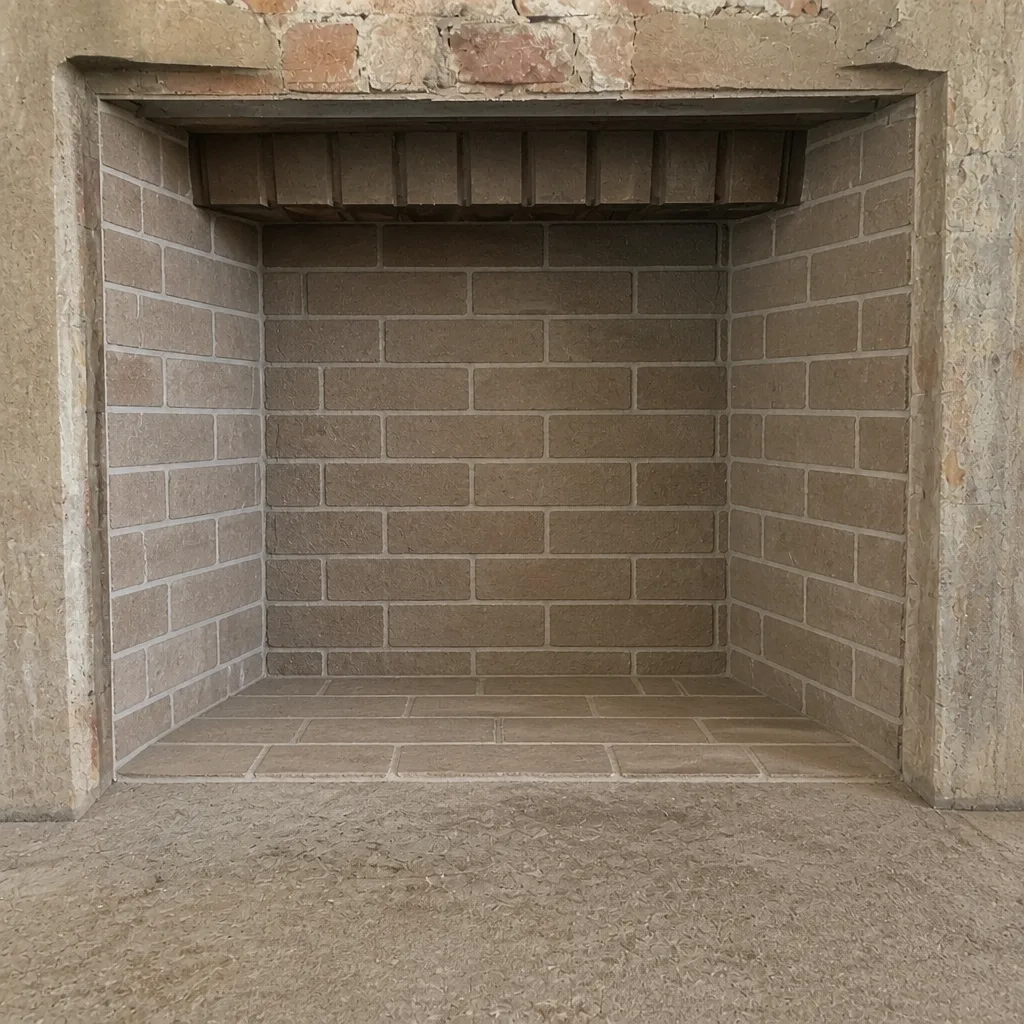
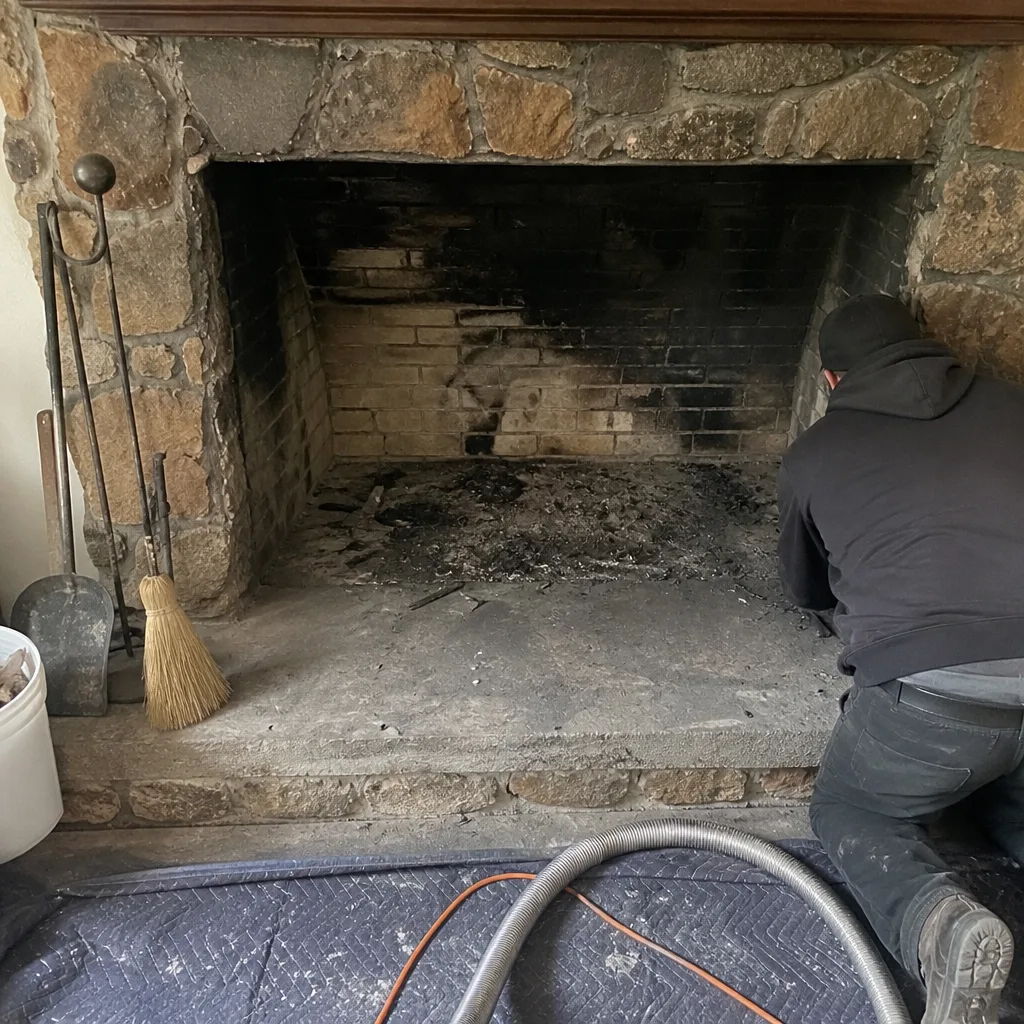
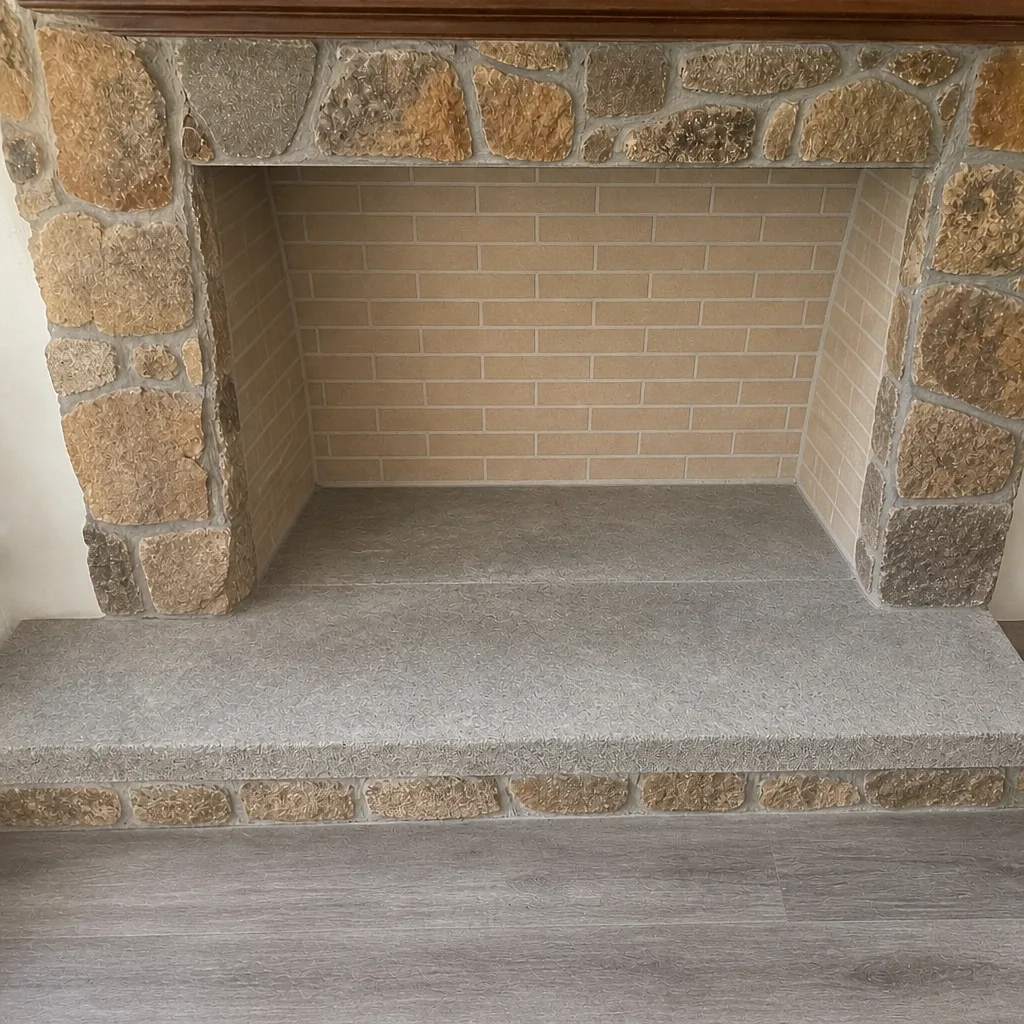
See the difference
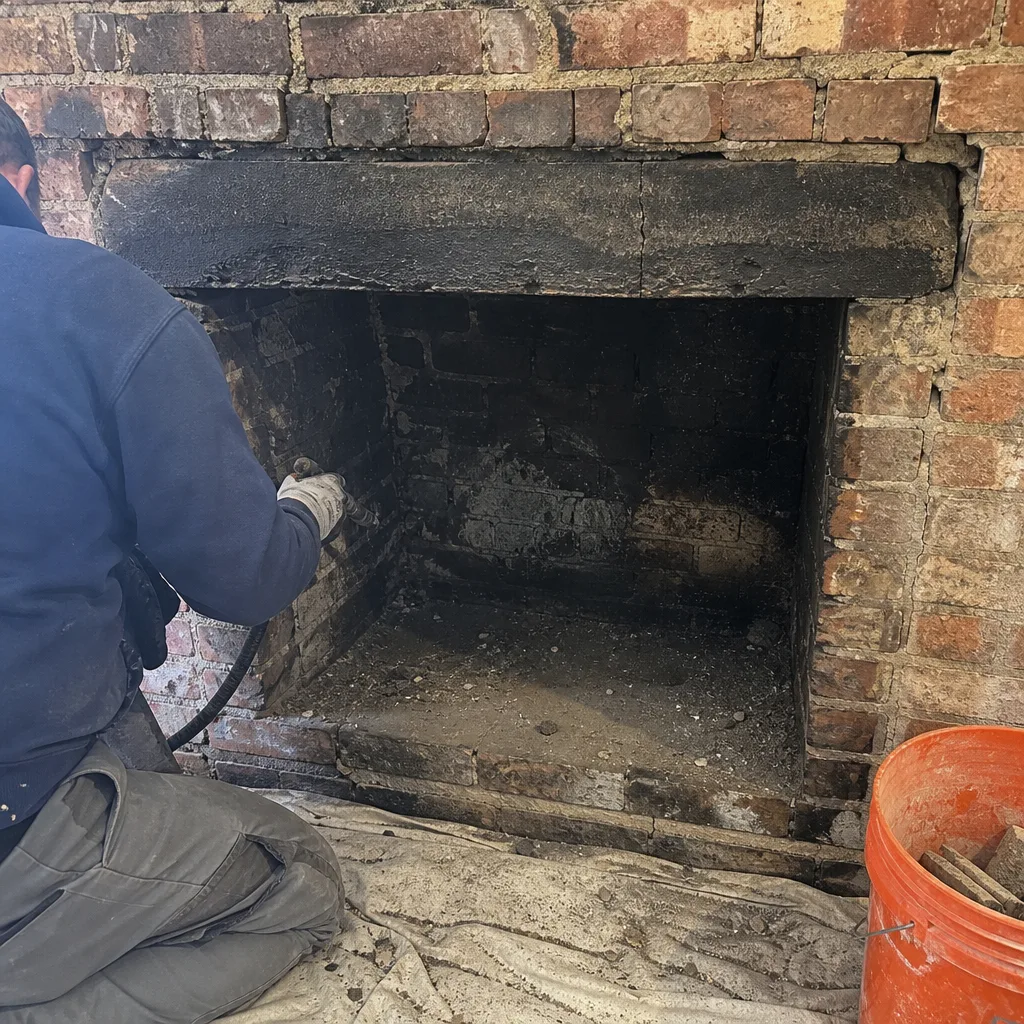 Before
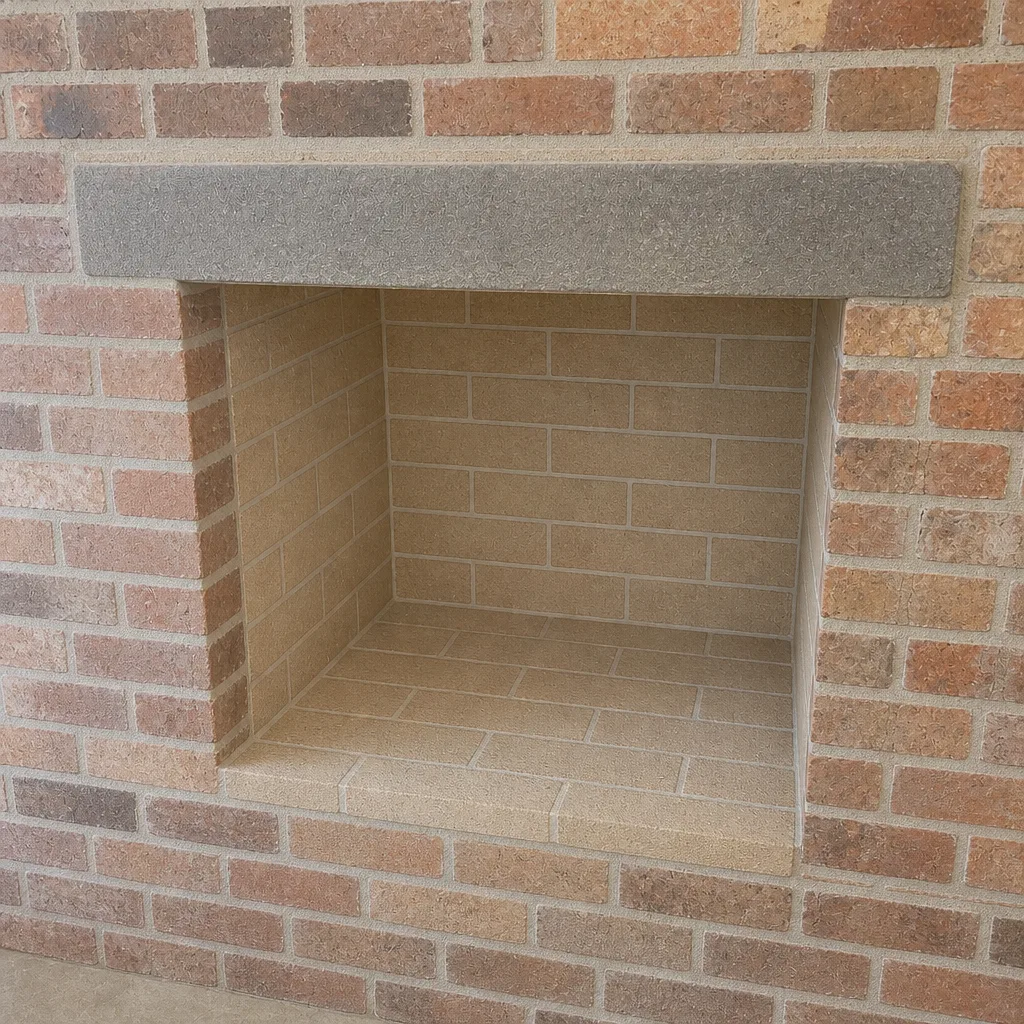 After
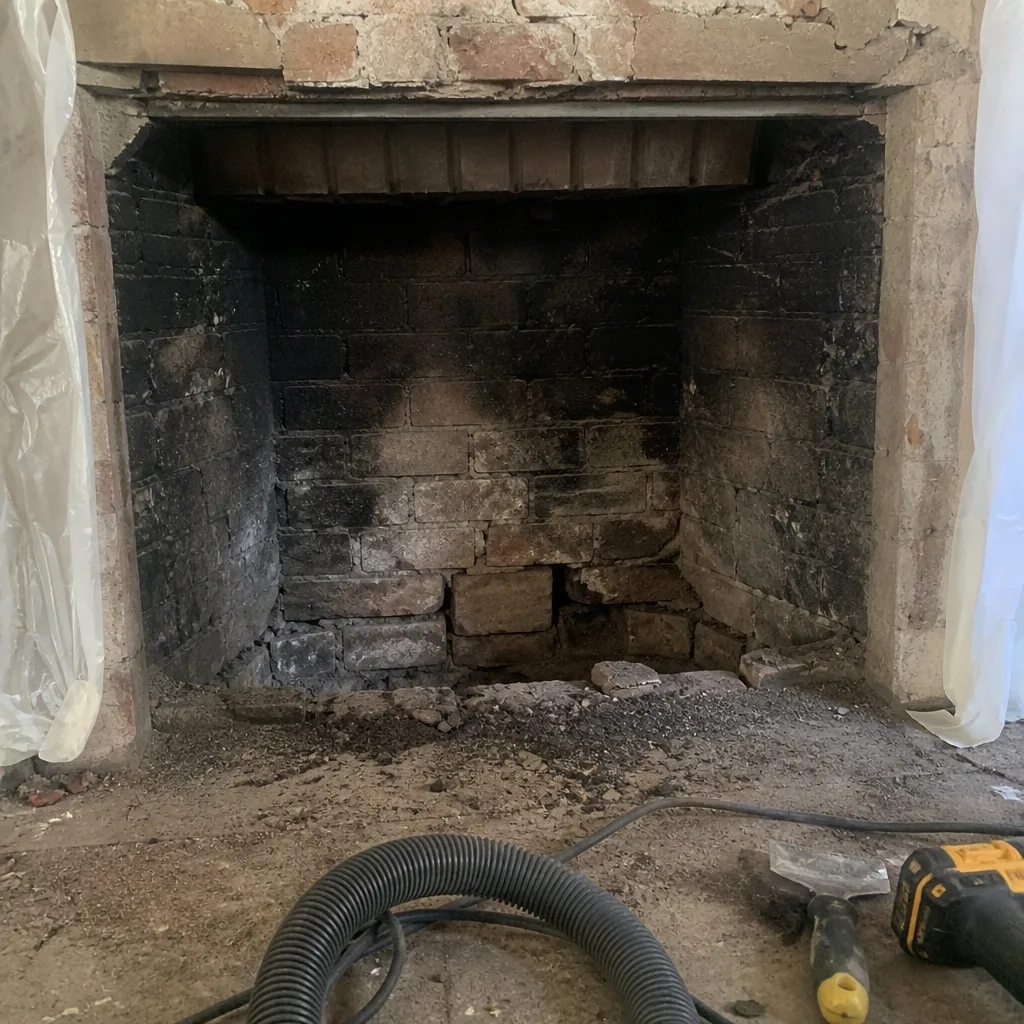 Before
 After
 Before
 After
Common Mistakes to Avoid
- Waiting until fall to look. Fall tells you whether you can have a fire. Spring tells you what winter did. Skip spring and you’ve missed the most informative inspection of the year in Borough Park.
- Treating the sweep as the whole service. A brushing cleans the flue. It doesn’t document liner condition. The two jobs are different, and the inspection is what protects you long-term.
- Assuming the cap is fine because it wasn’t a problem last year. Summer storms in Brooklyn can loosen or damage a cap, and the first place it shows up is a wet flue or a nesting bird in fall.
- Ignoring white staining on exterior brick. That bloom is moisture moving through masonry. It’s a signal, not a cosmetic issue.
- Booking in November in a dense market. Borough Park’s schedule fills fast when the cold hits. Summer cleaning is open; fall cleaning is a scramble.
- Letting a “free look” stand in for an inspection. If there’s no written record, you can’t compare one season to the next. That record is the entire value of a formal inspection.
- Doing flue, liner, or firebox work yourself. This is where a homeowner gets hurt. Liner, gas, and structural work belong with a trained professional.
When to Call a Professional
Some chimney care is monitoring. Some is not. Call a professional when you notice smoke rolling back into the room, a draft that’s become weak, a new odor that won’t clear, soot or staining around the firebox, or any animal activity in the flue. Call when it’s been a season or more since your last inspection, when a cap or crown shows visible damage, or when a firebox brick has come loose. And call before your first fire of the season if you’re not certain the flue is clear, rather than discovering a problem with a room full of smoke.
The one thing you should never do yourself is work on a flue, liner, gas firebox, or structural masonry. Carbon monoxide and chimney fires are the reason. A carbon monoxide alarm sounding means getting everyone out and calling for emergency help, not climbing up to inspect the chimney. A blocked or degraded flue is a serious hazard, and a trained professional is the only safe response.
Chimney Sweep Borough Park connects Borough Park homeowners with vetted local professionals who do licensed and insured work. Inspections come with a documented report and photos, so you can see what’s actually happening. Estimates are free and set per job with a written scope. Call (833) 554-1032. We answer 24/7. Fast dispatch from 7am to 7pm, Sunday through Friday. Our technicians have up to 9 years of experience.
Frequently Asked Questions
The general guidance is once a year for a wood-burning fireplace in regular use, and more often if you burn heavily or notice creosote buildup. In a dense urban setting like Borough Park, an annual sweep plus a formal inspection each season covers the realistic risks. If you’re not sure how much you burn, ask for an inspection first and let the findings decide the schedule. Call (833) 554-1032 for an exact quote – estimates are free.
You can, but you’ll miss the most valuable inspection window of the year. Spring is when winter’s thermal cycling evidence is still visible, and fall is when the schedule fills up. A spring inspection plus a summer cleaning gets the work done in the calm months. If you skip both, you’re heading into heating season untested. Call (833) 554-1032 to get booked during the off-season, while there’s room.
It often comes down to the urban heat island effect, which holds warmth and produces more frequent freeze-thaw cycles through the masonry. That repeated expansion and contraction accelerates wear on mortar joints, brick, and the liner. More frequent fire cycles in a denser heating environment add to the thermal stress on the liner. It’s not that Borough Park chimneys are worse, just that they sit in a climate pattern that’s different from what generic guides assume. Call (833) 554-1032 for an inspection tailored to your building.
Look for visible rust-through, a cap that’s loose or sitting crooked, or missing mesh on the screen. Inside, a cap that’s failed often shows up as water stains, a smoky odor when the fireplace is off, or bird activity in the flue. The fall inspection is the right time to confirm all of this. We install trade-grade caps and crowns, including Copperfield and Olympia Chimney products, so the fix is done once and properly. Call (833) 554-1032.
A sweep cleans the flue; an inspection documents its condition. They’re different services, and both matter. In our experience, a lot of homeowners pay for a sweep and assume that covered everything. It doesn’t. An inspection looks at the cap, crown, firebox, smoke chamber, damper, and liner, and records what’s found with photos so you can compare year to year. Call (833) 554-1032 to book a formal inspection as its own service.
Smoke backing into the room, a weak draft, a new persistent odor, soot around the firebox, visible staining on the wall above the fireplace, or any sound of scratching in the flue. Any of these is reason enough to book. A carbon monoxide alarm is not a monitoring sign – it’s an emergency, and you should evacuate and call for help. For everything else, call (833) 554-1032 and we’ll get someone out. We answer 24/7, with fast dispatch from 7am to 7pm, Sunday through Friday.
The Bottom Line
The fall sweep is not the whole story. Borough Park chimneys go through a full year of stress that a single pre-season visit can’t read. Spring inspection catches what winter did to the liner. Summer cleaning gets the work done before the market fills up. Fall confirms the damper seals and the cap holds. Winter monitoring catches the rest between visits. Brooklyn’s heat island compresses and repeats the freeze-thaw cycle, which means the calendar here looks a little different from a suburban one. Follow the seasons, book the inspection, and see the evidence before you agree to any repair. That’s care, not sales.
Written by the team at Chimney Sweep Borough Park.