
Last updated November 22, 2026
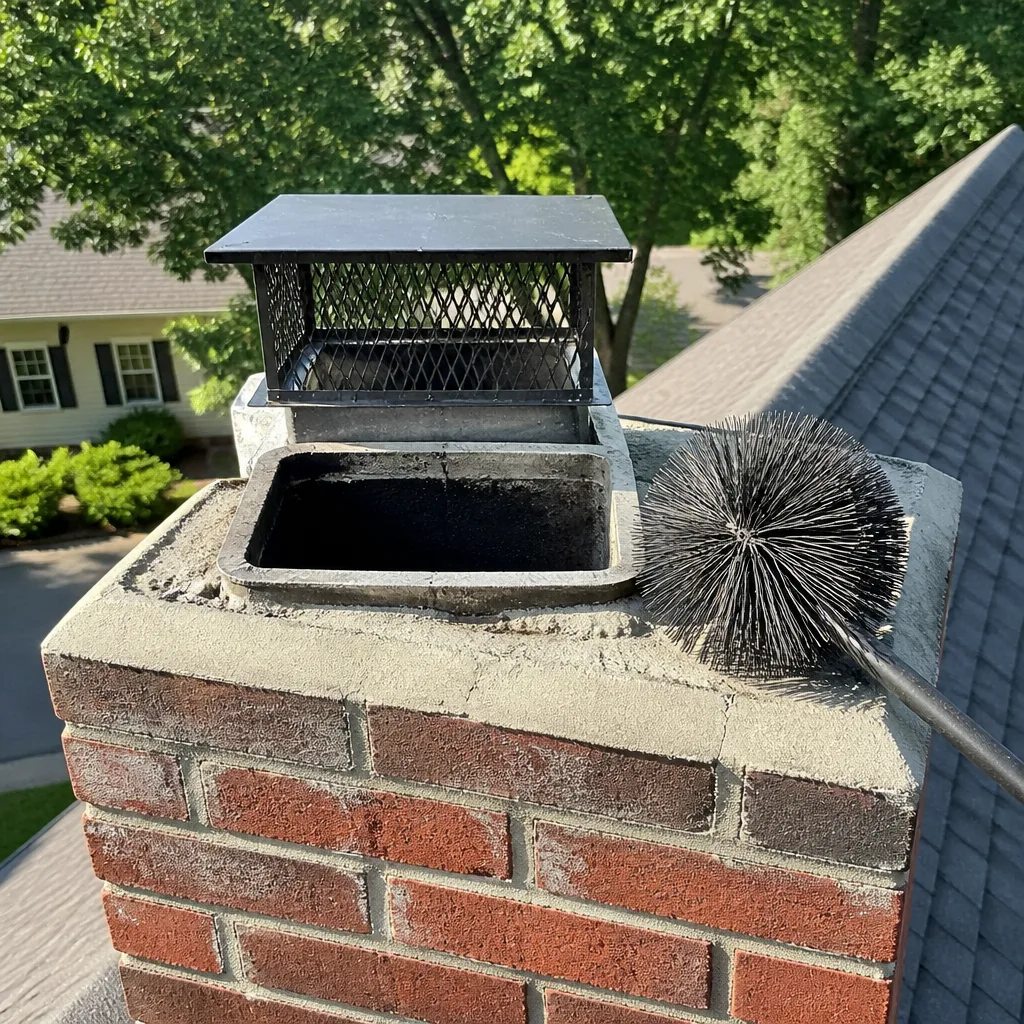 Sweep & inspection
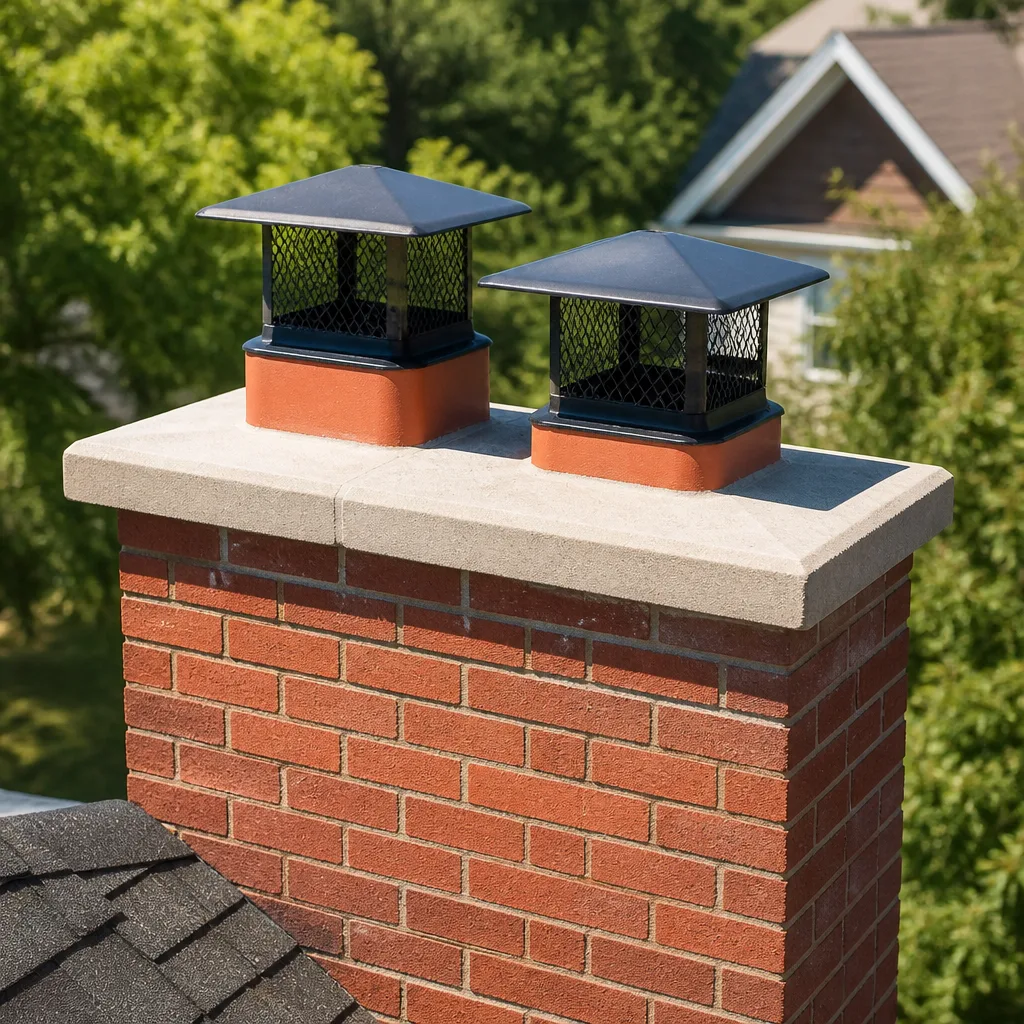 Caps & crowns
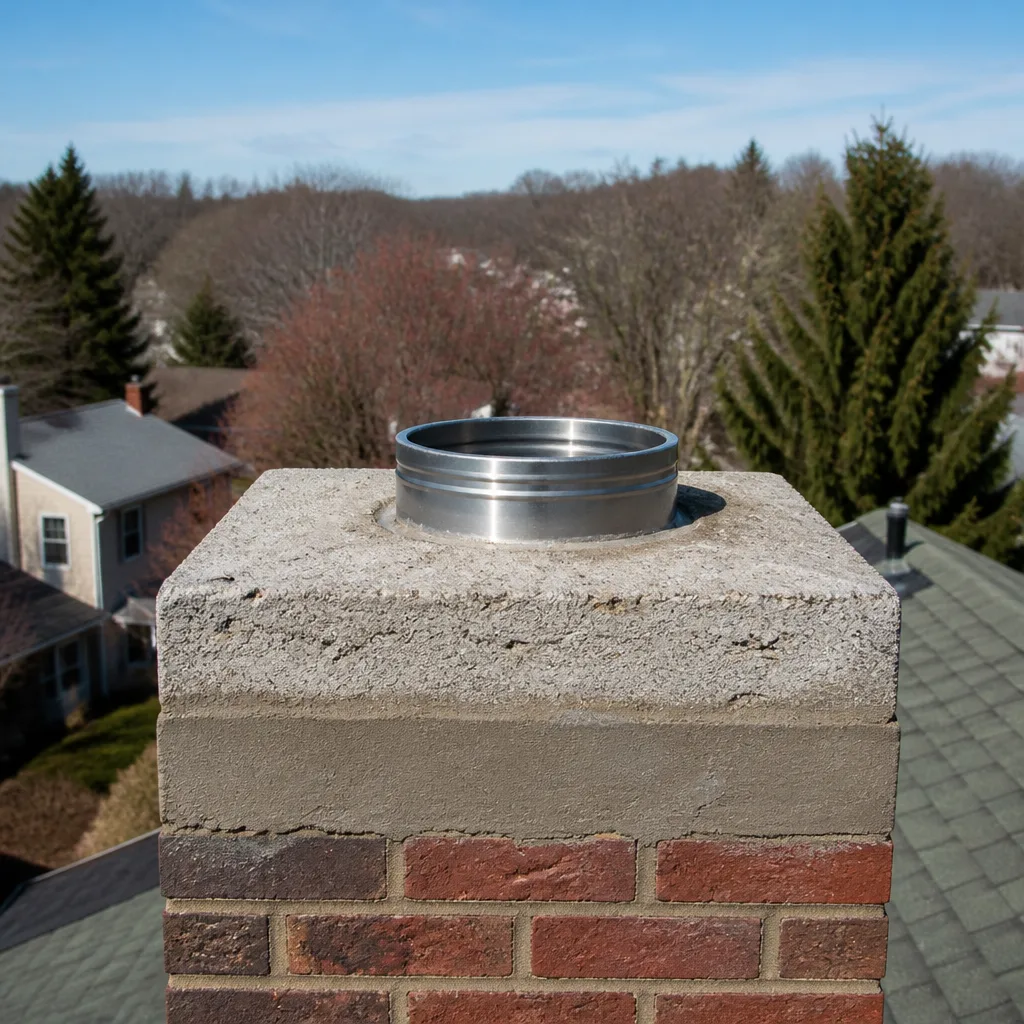 Flue relining
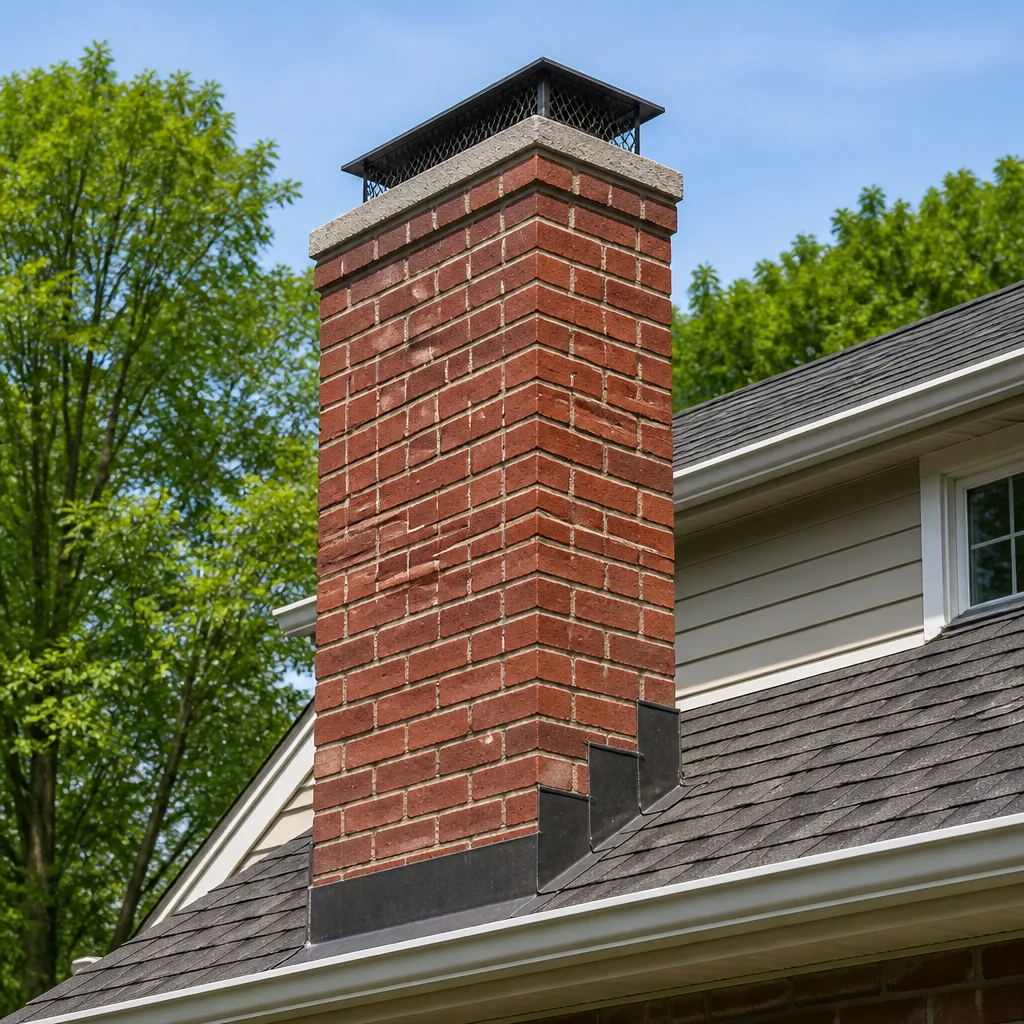 Masonry repair
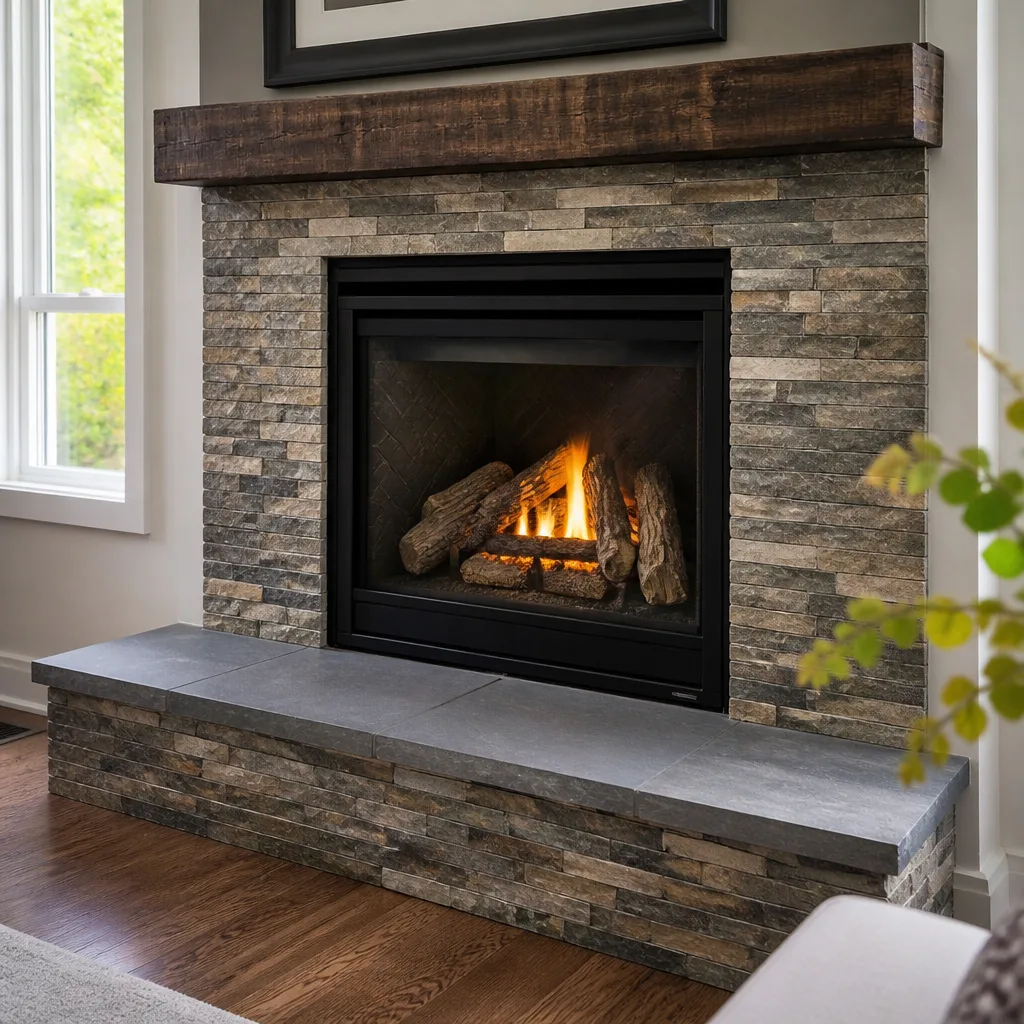 Gas fireplace service
Level 1 sweep and inspection to the NFPA 211 annual standard - flue, crown, cap, and flashing checked and photographed
Chimney sweep logs do not sweep chimneys. They loosen some creosote - which then falls where a brush and vacuum still have to collect it.
Chimney Sweep Troubleshooting in Borough Park: Common Problems and How to Fix Them
A smoky fireplace isn’t one problem. It’s at least seven distinct problems that look identical from the living room, and each one has a different fix. A downdraft from an oversized flue, a negative pressure backdraft, a blocked cap, a partial flue collapse, a creosote restriction, a damper stuck half open, and a firebox design that never worked well to begin with can all leave you with the same symptom: smoke where it shouldn’t be. Guessing wrong costs you time and money. Troubleshooting with the right sequence finds the actual cause. This guide walks through the patterns we see most often in Borough Park, what each one signals, and when you can safely monitor a problem versus when to stop using the fireplace today.
Quick Answer
Most chimney problems in Borough Park fall into a handful of predictable categories: draft failures (negative pressure or downdraft), creosote buildup at stage 1, 2, or 3, structural decline in pre-war brick mortar joints, cap and crown damage, and blockages from nesting debris. The correct fix depends entirely on which category you’re looking at, and two symptoms that look identical from inside the room – smoke rolling out versus smoke backing down – require opposite interventions. An inspection first, a recommendation second, is the only reliable way to sort one from the other.
Styles & brands we work with
- Sweep & inspection
- Caps & crowns
- Flue relining
- Masonry repair
- Gas fireplace service
Table of Contents
- Smoke Where It Shouldn’t Be: Draft Failure vs. Downdraft
- Why Borough Park Rowhouse Chimneys Behave Differently
- Creosote Stages 1, 2, and 3: When Sweeping Alone Works
- Mortar Joint Spalling on Pre-War Brick: What It Signals
- Cap, Crown, and Water Intrusion Problems
- The Decision Tree: Monitor vs. Stop Using the Fireplace
- What a Real Inspection Covers
- Repair Options for Common Borough Park Problems
Smoke Where It Shouldn’t Be: Draft Failure vs. Downdraft
The single most misdiagnosed problem we encounter is smoke coming into a room. Homeowners assume “the chimney needs sweeping.” Sometimes it does. More often, they’re looking at one of two opposite problems. Negative pressure backdraft is a building science issue: the house is tighter than the chimney can overcome, and air is being pulled down the flue from outside because the pressure inside the living space is lower. Downdraft from an oversized flue is a chimney geometry issue: the flue is too large for the fireplace opening, so exhaust gases cool before they exit and fall back down.
These look the same. They are not the same problem. They require opposite interventions.
- Negative pressure backdraft usually gets worse when you run the kitchen exhaust fan, the bathroom fan, or a clothes dryer. It often improves if you crack a window near the fireplace. Fix: air supply management, damper tuning, sometimes a top-sealing damper.
- Oversized flue downdraft shows up regardless of other appliances running, and it often gets worse on cold days when the flue cools faster. Cracking a window won’t help. Fix: flue sizing, an insulated liner, or a flue-top damper sized correctly for the opening.
In Borough Park, we see negative pressure backdraft often in rowhouses that have been tightened up over the years – new windows, insulation, sealed attic penetrations. The house stopped leaking air the way the original builder expected, and the chimney wasn’t resized. In our experience, running both diagnostics on the same visit is the fastest way to separate the two. Otherwise you’ll sweep a chimney that’s already clean and still get smoke.
If smoke is the symptom you’re troubleshooting, the first call should be a formal assessment rather than a cursory check. Book a chimney sweep with an inspection attached, and ask the technician which of the two draft problems they’re testing for before they touch a brush.
Why Borough Park Rowhouse Chimneys Behave Differently
Borough Park’s rowhouse stock presents chimney problems you won’t read about in generic guides, because those guides were written for detached single-family homes. In a rowhouse, chimneys are commonly built into shared party walls. That configuration creates three specific conditions worth knowing about.
- Shared masonry means shared thermal mass. Adjacent chimneys heat and cool differently because each neighbor uses their fireplace differently. If one flue is active and one is idle, the idle flue becomes a cold shaft that can pull air from the active one across the shared wall through cracks and mortar joints.
- Neighboring flues can interfere with draft. Two flues side by side in the same stack compete for air. A taller neighboring flue can pull exhaust from a shorter one. When the neighbor lights their fireplace and yours starts smoking, draft interference is a likely cause.
- Party wall mortar joints fail asymmetrically. Water intrusion on one side doesn’t reach the other, so the shared wall shows one healthy side and one deteriorated side at the same height. This is one of the most common diagnostic puzzles in Borough Park rowhouse inspections.
The implication for troubleshooting is important. If your chimney and your neighbor’s are on the same stack, and smoke or odors start without any change inside your own home, the cause may not originate in your flue at all. Camera inspection will show the state of your side. If there’s an active crack or separation at the party wall, that’s a repair – not a sweeping problem.
We work within the five core services a specialist chimney company should offer: sweeping, cap and crown work, chimney repair, fireplace repair, and inspection. That full scope matters in rowhouse troubleshooting because shared-wall issues rarely fit neatly into one category. One crew, start to finish, keeps the diagnosis coherent – no handoff, no contradictory recommendations from a second specialist. If your situation points to structural issues on the masonry or crown, we can address those under the same roof as the diagnostic. Our technicians have up to 9 years of experience reading these configurations, and the pattern-recognition is most of the value.
For a structural repair that the inspection recommends, our chimney repair covers the masonry, crown, and flue scope in one project rather than a three-contractor relay.
Creosote Stages 1, 2, and 3: When Sweeping Alone Works
Creosote is not one thing. It’s a progressive deposit with three distinguishable stages, and the correct treatment is different for each. This is where a lot of chimney troubleshooting goes wrong – the assumption that a sweep handles every situation. It doesn’t.
- Stage 1: Sooty, flaky, light deposit. Brushes off easily with a standard sweep. Fine hairline dust that comes off as a powder. Sweeping alone is sufficient. Most wood-burning flues that are serviced annually stay in stage 1.
- Stage 2: Hardened, crusty, or tar-like deposit. Doesn’t come off with a standard brush alone. Needs brush work plus chemical or mechanical treatment. This stage is the most common when the flue hasn’t been serviced regularly or when the wood being burned was poorly seasoned.
- Stage 3: Glazed, hard, shiny deposit. Essentially a ceramic-like coating fused to the liner wall. Standard brushes skip right over it. Requires chemical treatment over time, or in severe cases liner replacement. Stage 3 creosote is the highest fire-risk stage and should not be ignored.
The wrong question to ask is “when was your last sweep?” The right question is “what stage is the creosote?” That determines what the service actually needs to be.
If your flue is at stage 2 or 3, or if the liner itself shows surface degradation once the deposit comes off, a product like HeatShield can sometimes resurface the liner rather than fully replacing it. That’s a service many chimney companies can’t offer because they don’t carry the application capability. For full relining, we install DuraFlex flexible liner systems – rated for wood-burning, gas, and oil applications – and can complete the job in one project rather than subcontracting to a separate liner specialist. Trade-grade materials, properly installed, is the standard we work to here.
For the full sweep-and-inspect scope on your flue, see our Chimney Sweep Borough Park service – we test the creosote stage first, then price the work that stage actually requires.
Mortar Joint Spalling on Pre-War Brick: What It Signals
Pre-war brick in Borough Park’s rowhouse stock is a beautiful material. It’s also a material with a specific failure pattern that indicates what’s happening inside the flue. Mortar joint spalling – the surface of the mortar crumbling, flaking, or falling away between bricks – is usually the visible tip of a longer story underneath.
What does spalling signal?
- Chimney has been absorbing water for a long time. Pre-war brick without a proper crown and cap system wicks moisture, and the freeze-thaw cycle in Brooklyn winters loosens mortar one joint at a time.
- The flue liner beneath may be compromised. Water that reaches the exterior face has usually reached the interior. If the visible mortar is spalling, the liner at the same height is worth camera-inspecting for cracks or gaps.
- The chimney is due structural attention, not just a repointing. Repointing exterior mortar without addressing interior liner failure is a cosmetic repair on a structural problem. It buys time but doesn’t solve the cause.
The pattern we see most in Borough Park is spalling concentrated on the water-facing elevation and the upper third of the chimney, where rain and snow sit longest and where flue gas condensate from a gas appliance cools fastest. The bottom two-thirds of the same chimney often look fine. That’s a fairly reliable signal that the problem is water and condensate, not age alone.
What should you ask for? A camera inspection of the flue at the same height as the visible exterior damage. If the liner is intact, repointing plus crown repair solves it. If the liner is compromised, resurfacing or relining comes first. The order matters – repairs done in the wrong sequence come back within a season or two.
The repair scope that handles this in Borough Park correctly is usually a combination of crown work (which we cover under chimney cap & crown), exterior masonry repointing, and liner attention underneath. That’s why an inspection-first discipline matters – the wrong order of repairs is the most expensive part of a spalling problem.
Cap, Crown, and Water Intrusion Problems
Water is the most common cause of chimney damage in this region, and the cap and crown are the two components that prevent it. When they fail, everything underneath pays the cost.
A chimney cap is the metal or masonry cover at the top of the flue. It keeps rain, snow, and animals out, and it prevents downdraft. Caps fail by rusting through, by losing their screen, or by being blown off in a storm. In Borough Park, squirrel and bird nesting under a failed cap is a common cause of sudden draft loss – one morning the fireplace works fine, the next morning it smokes, and the cause is a nest in the cap.
The crown is the concrete or masonry top surface of the chimney itself, above the flue. Crowns fail by cracking, by separating from the flue wall, or by losing their slope so water pools instead of shedding. A cracked crown is the entry point for most of the mortar spalling described in the previous section.
What we see in Borough Park rowhouses:
- Crowns that were patched more than once with caulk or mortar that failed again within a season. Eventually the right fix is a proper crown – often with Famco or Copperfield cap materials matched to the flue count and stack dimensions.
- Multi-flue stacks where the cap was sized for one flue when the chimney serves two or three. In multi-unit or divided rowhouse configurations, this is common. The cap must be sized for the actual flue count.
- Caps that trap more than they protect – undersized, too low, or installed with a screen fine enough to choke draft.
Cap and crown work is one of the most cost-effective preventive steps in chimney maintenance. Done badly, it’s also the most common source of repeat water problems. Both are part of our scope, and both are handled by the same crew that does the inspection – so the recommendation, the materials, and the installation stay consistent.
The Decision Tree: Monitor vs. Stop Using the Fireplace
Not every chimney problem is an emergency. Some can safely wait. Some can’t. The line between them is specific enough to give you a decision tree.
Stop using the fireplace immediately if you notice any of the following:
- Smoke rolling steadily into the room rather than escaping up the flue, especially if it gets worse over several minutes of burning. That’s a draft failure that could also mean a blocked flue.
- Strong, unfamiliar smells when the fireplace is not in use – creosote odors, or smells you can’t identify. An obstructed or compromised flue can spill exhaust back into the home.
- Visible creosote accumulating quickly – a flue that builds up significant creosote across a few fires is a fire-risk situation, not a maintenance issue.
- A carbon monoxide detector alarming when the fireplace or an attached gas appliance is running. Turn the appliance off, leave the room, and call for service before re-lighting.
- Sparks or glowing bits appearing outside the firebox, or visible cracks inside the firebox walls.
You can monitor and schedule a service if:
- Draft is intermittent and only occurs when other exhaust appliances in the home are running. Note the pattern – which appliances, which weather – and book an inspection.
- A cap has lost its screen but the flue itself is unobstructed. Book a re-screen or cap replacement before the next nesting season.
- Mortar joints on the exterior crown or upper masonry are spalled but there is no smoke escaping and no odor inside.
- Slight soot visible at the top of the firebox after several uses. That’s stage 1 creosote and it’s usually a routine-sweep issue.
When in doubt, stop and call. The cost of an unnecessary inspection is far less than the cost of an avoidable chimney fire or a carbon monoxide incident. And if a technician tells you a problem can wait, that’s a diagnostic opinion you can rely on – we say it plainly when it’s true.
What a Real Inspection Covers
An inspection is not a quick look. A formal chimney inspection covers the full flue from firebox to cap, with camera verification, and a documented report of what’s actually there. It’s a distinct service from a sweep, and it’s the diagnostic foundation for everything else in this guide.
What a proper inspection includes:
- Firebox and damper assessment – cracks in the firebox, damper function, smoke shelf condition.
- Full flue camera scan – from the smoke chamber up through the flue to the cap. Every joint, every offset, every liner seam.
- Creosote staging – stage 1, 2, or 3, with photos you can see.
- Cap, crown, and exterior masonry assessment – visible spalling, cracks, separations, water staining.
- Draft testing – to distinguish negative pressure backdraft from downdraft in the flue itself.
- Photo report delivered to you, showing exactly what was found.
Inspection first, recommendation second, is a discipline, not a slogan. If a company’s first visit to your home results in an immediate “you need a full reline” without a camera scan and without photos, that’s not a diagnosis. That’s a guess with a price tag. We recommend nothing without camera evidence the homeowner can see for themselves. When a repair isn’t needed yet, we say so. That’s the fastest way to build a working relationship that lasts more than one season.
If your chimney hasn’t been formally inspected, that’s the single highest-value service you can book. It changes the conversation from “what might be wrong” to “here is exactly what is wrong, and here is what it will cost to fix.”
Repair Options for Common Borough Park Problems
Once the diagnosis is clear, the repair options narrow quickly. Here’s how the common Borough Park problems map to the typical fix.
- Negative pressure backdraft – Evaluate the whole-house ventilation picture. Fix: top-sealing damper, air supply management, sometimes a fireplace-front modification.
- Oversized flue downdraft – Resize or insulate the flue. Fix: DuraFlex insulated liner sized to the appliance.
- Stage 1 creosote – Routine sweep. No additional chemical treatment needed.
- Stage 2 creosote – Sweep plus mechanical or chemical treatment to remove the hardened deposit.
- Stage 3 creosote – Chemical treatment cycle or liner resurfacing/replacement depending on the state of the underlying liner. HeatShield is often the right tool when the liner is intact under the glaze and hasn’t cracked.
- Cracked crown – Replace the crown, not patch it again. Patch repairs on crown cracks fail faster each year.
- Failed cap – Replace with a cap sized correctly for the flue count and flue type. Copperfield caps are common for the period rowhouse stacks here.
- Mortar spalling on pre-war brick – Repoint masonry plus crown assessment plus liner scan. Order matters: liner issues before exterior repointing.
- Cracked flue liner – DuraFlex full reline. Insulation included, or not, depending on the appliance type and the manufacturer specification.
We carry and install trade-grade brands by name because it matters which one the installer uses. DuraFlex for relining. HeatShield for resurfacing. Gelco, Olympia Chimney, Famco, and Copperfield across cap, crown, and component work. When you know which materials are going into your home, you can verify what was quoted against what was installed. That’s a reasonable ask for any homeowner, and it’s a reasonable standard for any chimney company to meet.
From the flue to the firebox, we cover the full scope – no subcontracting to a second contractor for liner work, no separate fireplace specialist called just to quote the firebox. One crew, start to finish. Built to last the season, and the next.
Common Mistakes to Avoid
- Assuming smoke means a sweep. Smoke has at least seven possible causes, and only one of them responds to a brush. Diagnose first, sweep second.
- Treating a flue that hasn’t been sized correctly. In Borough Park’s rowhouses, oversized or undersized flues are common – especially where a wood fireplace was later converted to gas. Buying a liner without first checking the flue size wastes money.
- Patching a crown instead of replacing it. Caulk or mortar patches on a cracked crown fail within a season or two, and water keeps reaching the masonry underneath. Crown replacement costs more upfront but lasts longer.
- Ignoring a light creosote smell in summer. A chimney that smells in the off-season is signaling a buildup issue that will be worse by fall. Odors are a stage 2 or stage 3 signal as often as not.
- Re-lighting after a “small” chimney fire. Even a brief chimney fire can crack the flue. The liner needs to be camera-inspected before the fireplace is used again.
- Skipping the inspection before a big repair. Every repair recommendation should be backed by photos you can see. If a contractor recommends a full reline without showing you the crack, ask for the camera scan.
- Cracking a window and calling a draft problem “solved.” Ventilation tricks can mask a negative pressure backdraft, but they don’t fix it. The underlying pressure imbalance will return once the weather turns.
See the difference
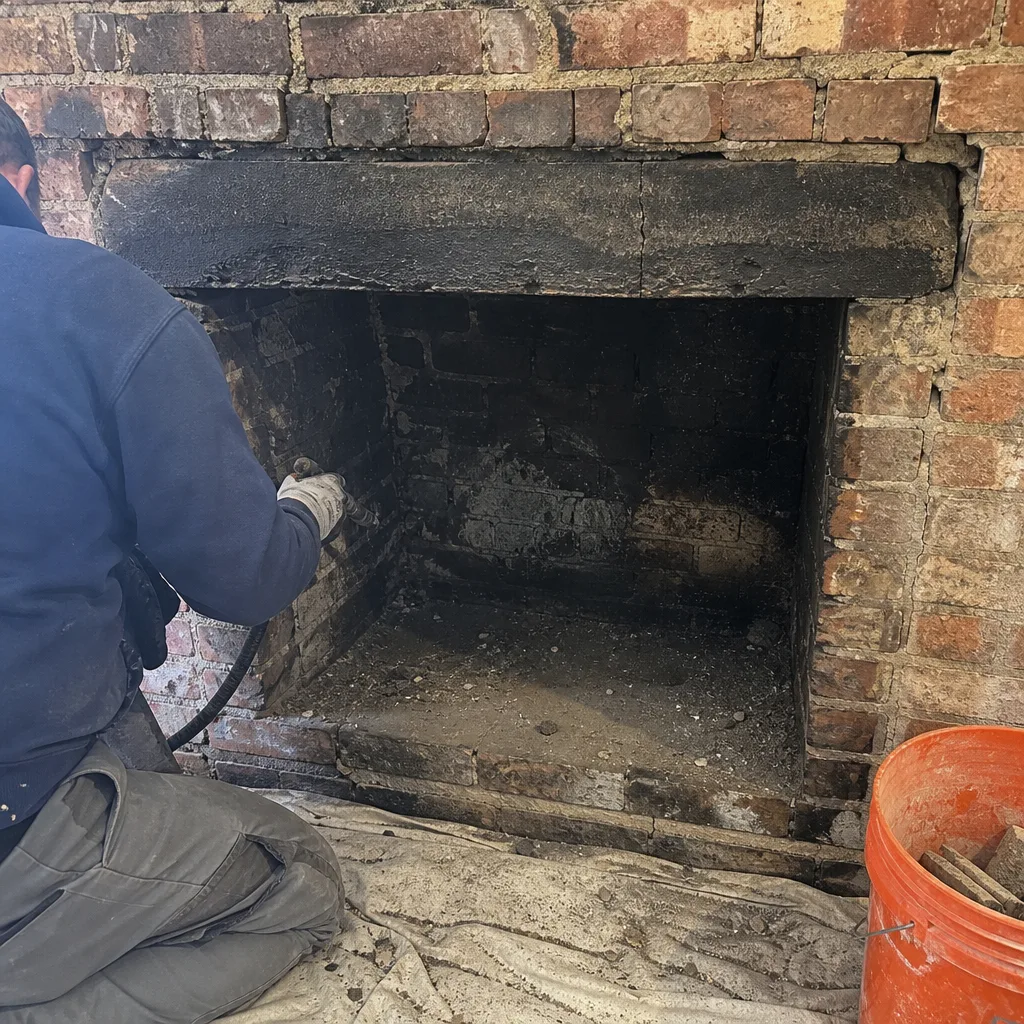 Before
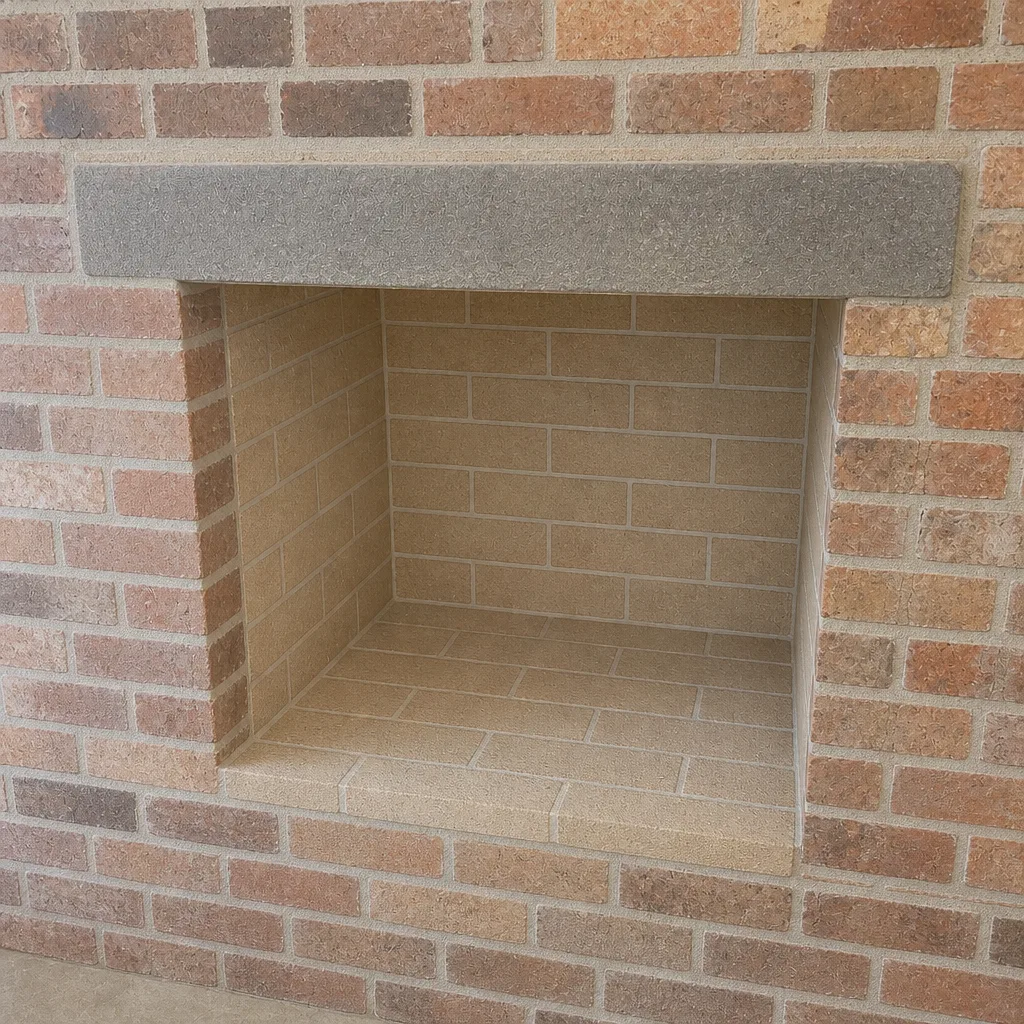 After
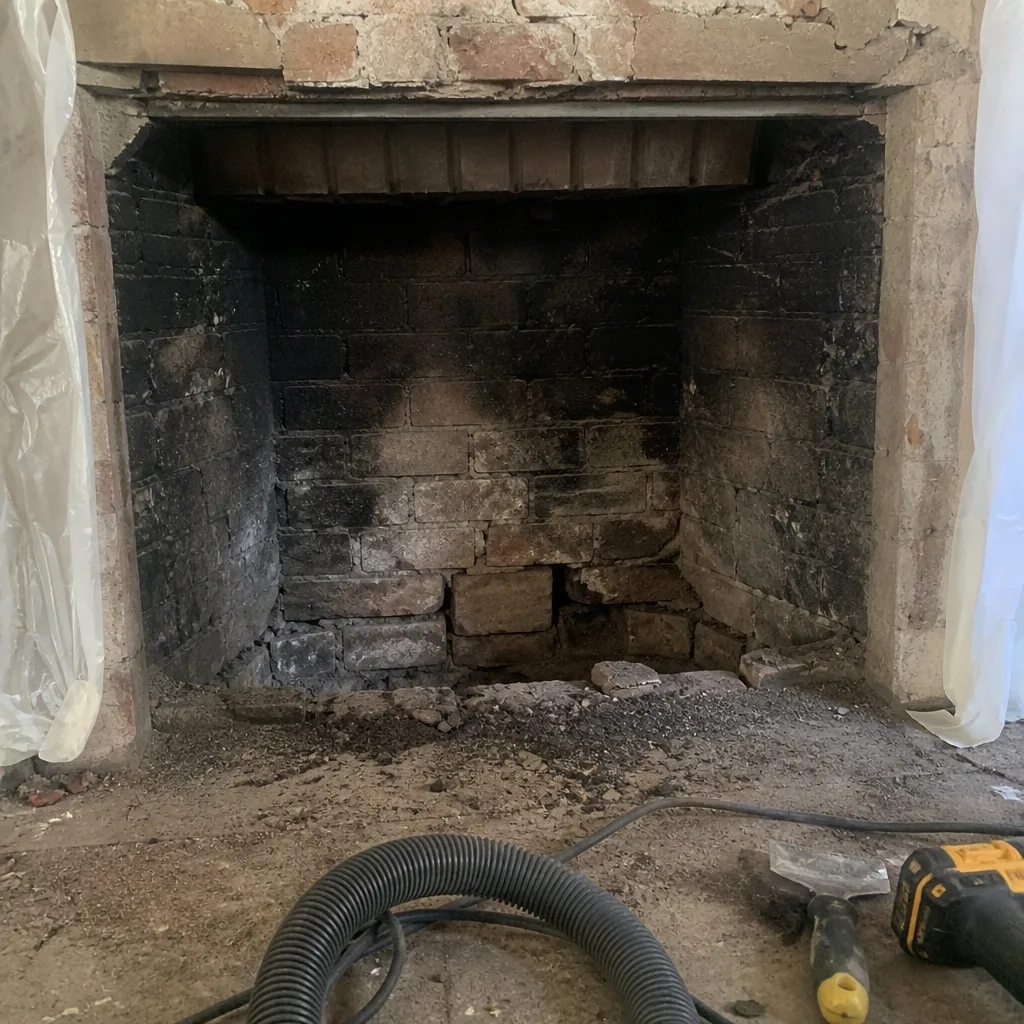 Before
 After
 Before
 After
When to Call a Professional
Call a chimney professional when you see smoke in the room, notice unfamiliar odors when the fireplace is off, see visible spalling on the crown or upper masonry, or can’t remember when the last sweep was. Also call if a cap is missing or damaged, if you’re considering a gas insert or fireplace conversion, or if you’ve just moved into a Borough Park rowhouse and don’t know the service history of the chimney. Chimney Sweep Borough Park offers free estimates in Borough Park – call (833) 554-1032. We answer 24/7. Fast dispatch from 7am to 7pm, Sunday through Friday. Estimates are free and the price is set per job by the written estimate, so nothing gets billed until you’ve seen the recommendation in writing.
Frequently Asked Questions
Once a year for most wood-burning fireplaces is the standard recommendation, and more often if you burn frequently or notice draft problems. In Borough Park’s rowhouses, an annual sweep and inspection catches creosote stage 2 before it becomes stage 3, and catches crown and mortar issues before they cause interior water damage. Call (833) 554-1032 for an exact quote – estimates are free.
Intermittent smoke almost always points to one of three causes: negative pressure backdraft (worse when other exhaust appliances are running), downdraft from an oversized flue (worse on cold days), or a partial blockage that shifts with wind direction. A camera inspection with draft testing separates the three. Call (833) 554-1032 to book a diagnostic.
In Borough Park rowhouses, chimneys frequently share a party wall and a stack, so neighboring flues can interfere with each other’s draft. If your fireplace only smokes when the neighbor’s is running, shared-wall draft interference is a likely cause. That’s a configuration issue, not a sweeping one – it needs an inspection that accounts for the shared stack.
It depends on the state of the existing liner, not on the creosote stage alone. If the liner is intact but has surface degradation or glazed deposit, HeatShield resurfacing is often viable and less expensive than full replacement. If the liner has cracks, separations, or is missing altogether, a DuraFlex full reline is the correct fix. Never accept a reline quote without a camera scan and photos showing the failure.
Only an inspection with a camera scan can tell you with certainty. Stage 1 is sooty and flaky and sweeps off with a normal brush. Stage 2 is hardened and tar-like. Stage 3 is glazed and shiny, like a ceramic coating. Homeowners often mistake stage 1 soot for stage 3 glaze or vice versa from the outside, which is why a photo report matters. Call (833) 554-1032 for an exact quote on inspection – estimates are free.
A missed year usually means creosote moves from stage 1 toward stage 2, and small mortar or crown issues become larger restoration jobs. Skipping a sweep doesn’t cause immediate failure, but it removes the safety margin. The cost of an annual inspection is modest compared to a liner replacement that a stage 3 buildup accelerates. Call (833) 554-1032 for a free estimate before the next burning season.
The Bottom Line
Borough Park’s chimney problems follow recognizable patterns. Draft failures (negative pressure backdraft or oversized-flue downdraft) present identically from the living room but need opposite fixes. Creosote is a staged deposit, not a single material, and the stage determines whether sweeping alone is enough. Pre-war mortar spalling tells you about the liner underneath, not just the brick surface. Cap and crown failures are the water-entry point for most of the damage that follows. One rule runs through all of it: inspection first, recommendation second, with camera evidence you can see before any repair is priced. When the repair can wait, we say so. When it can’t, we show you why.
Ready to find out what’s actually going on with your chimney? Call Chimney Sweep Borough Park at (833) 554-1032. We answer 24/7. Fast dispatch from 7am to 7pm, Sunday through Friday. Estimates are free, the price is set per job by the written estimate, and every recommendation comes with camera inspection and a photo report you can review yourself.
Written by the team at Chimney Sweep Borough Park.