
Last updated November 22, 2026
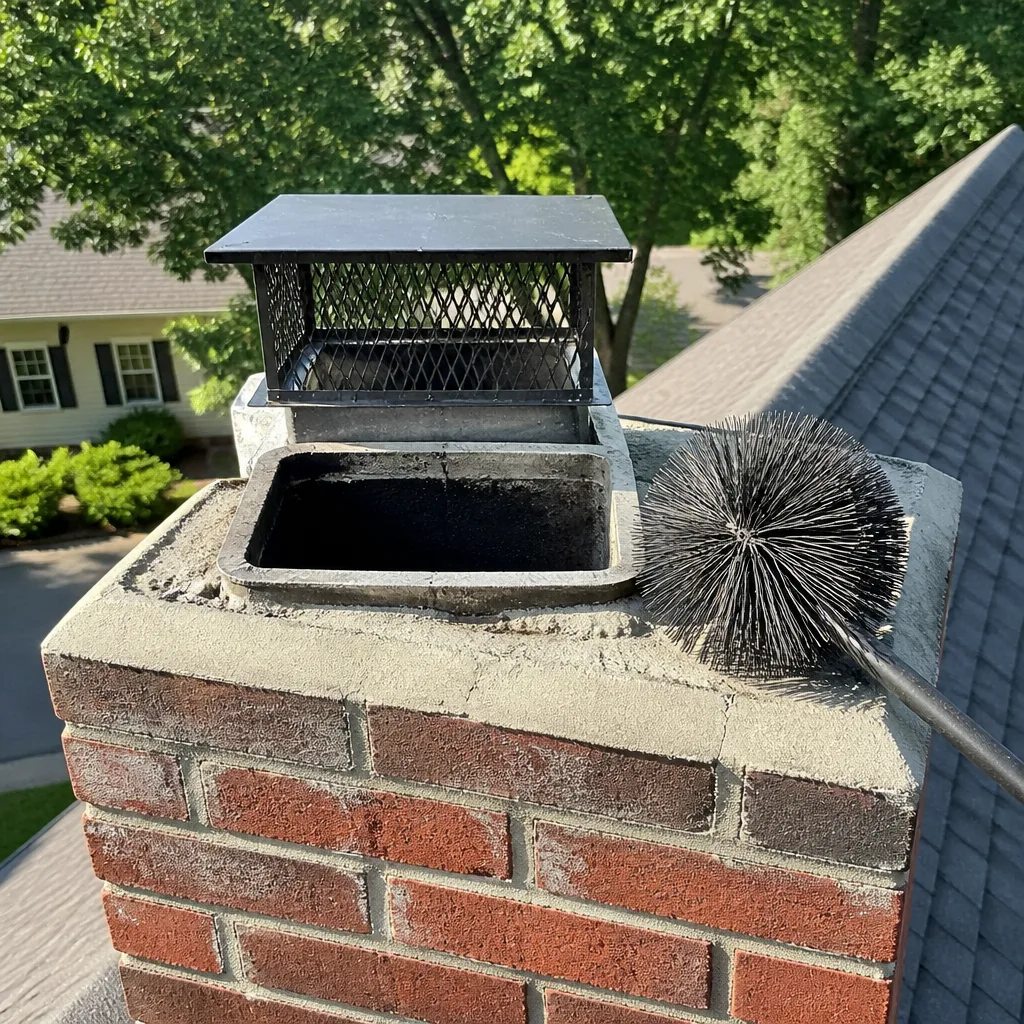 Sweep & inspection
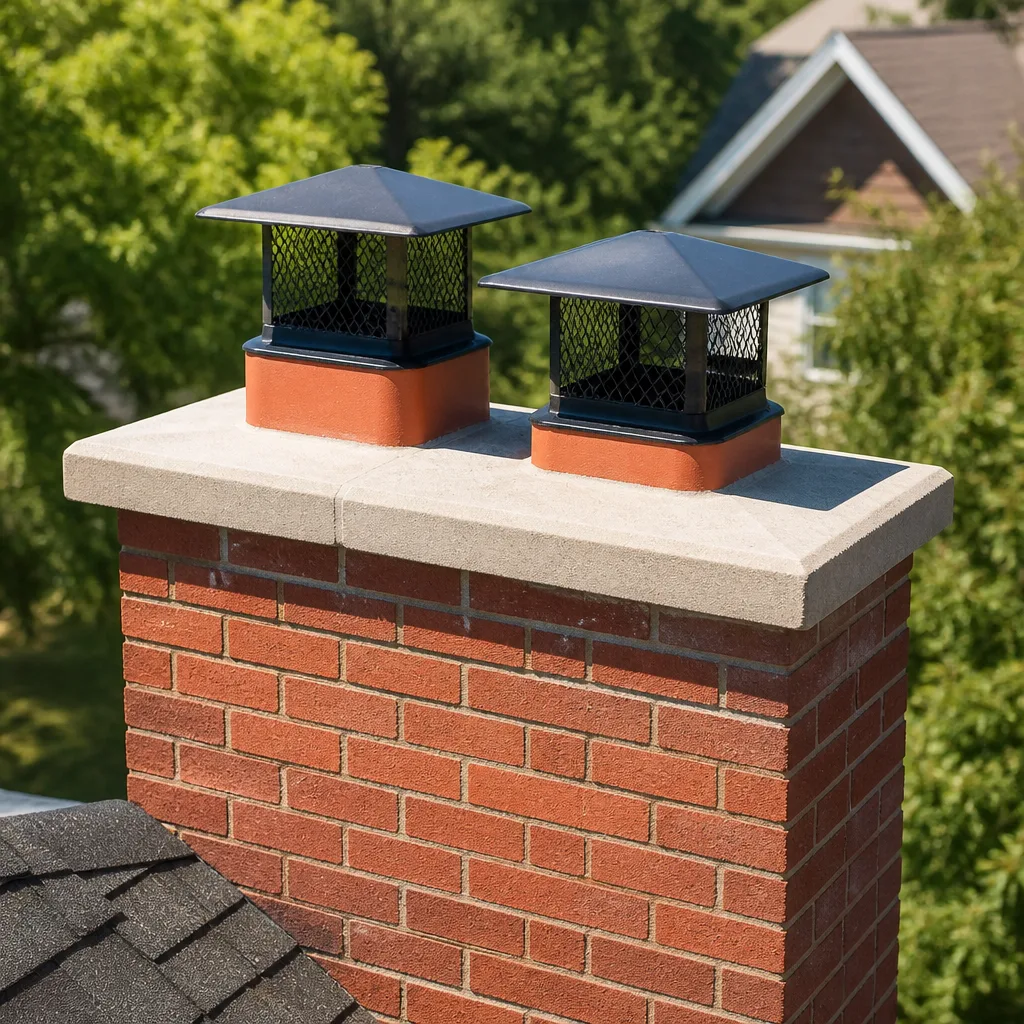 Caps & crowns
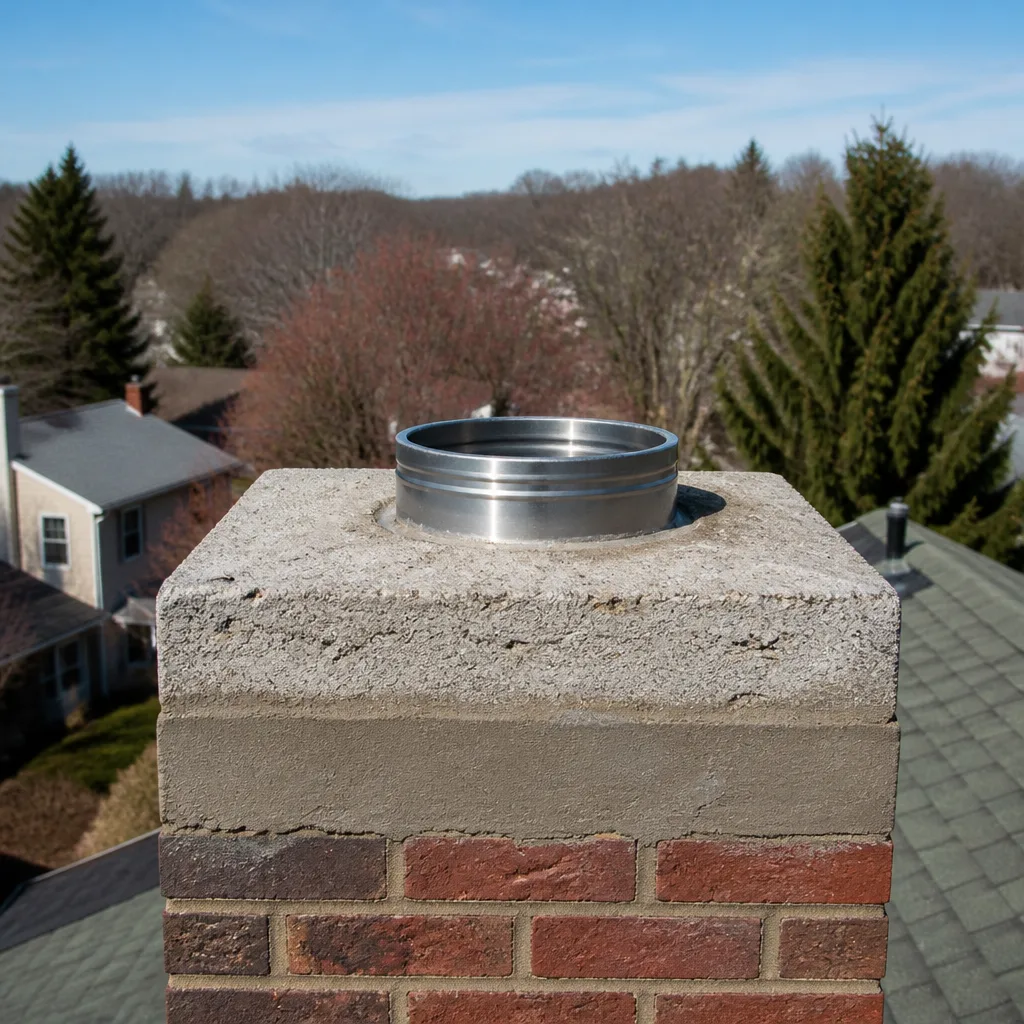 Flue relining
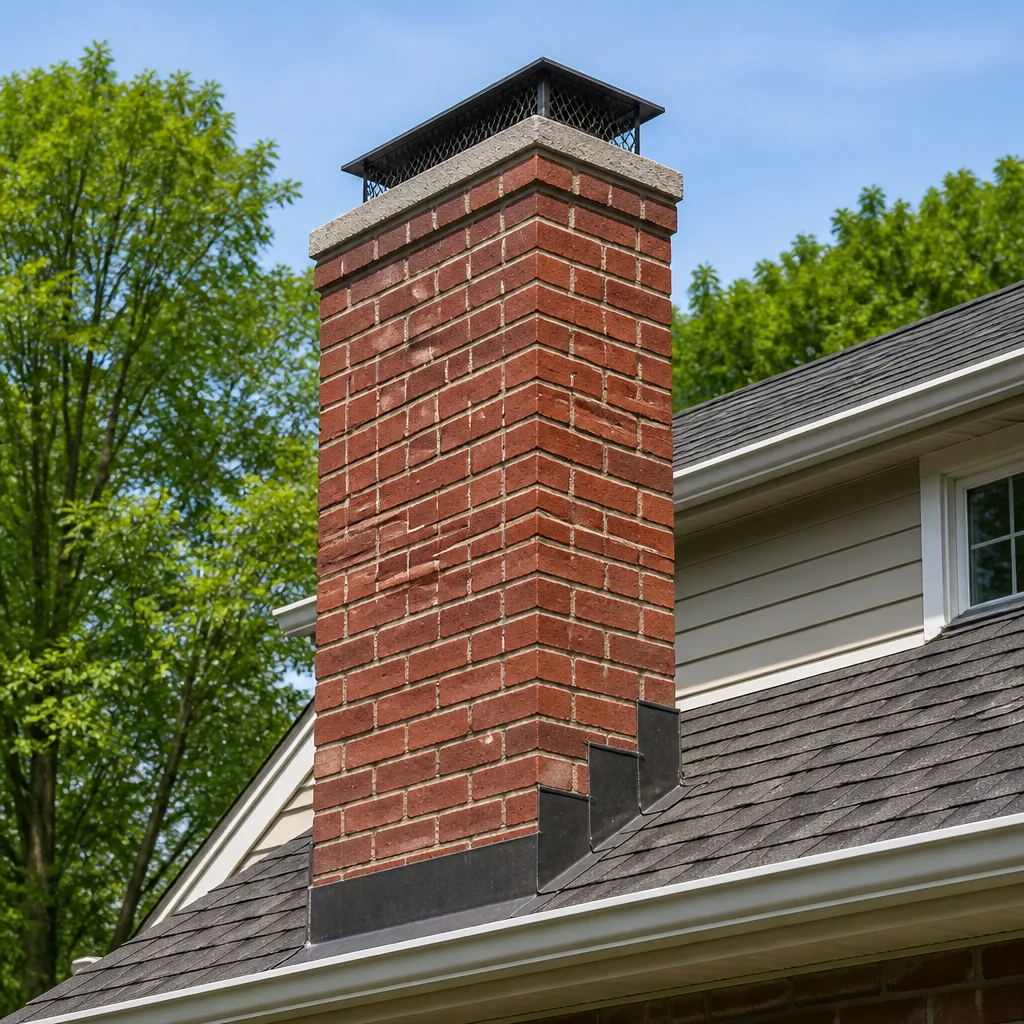 Masonry repair
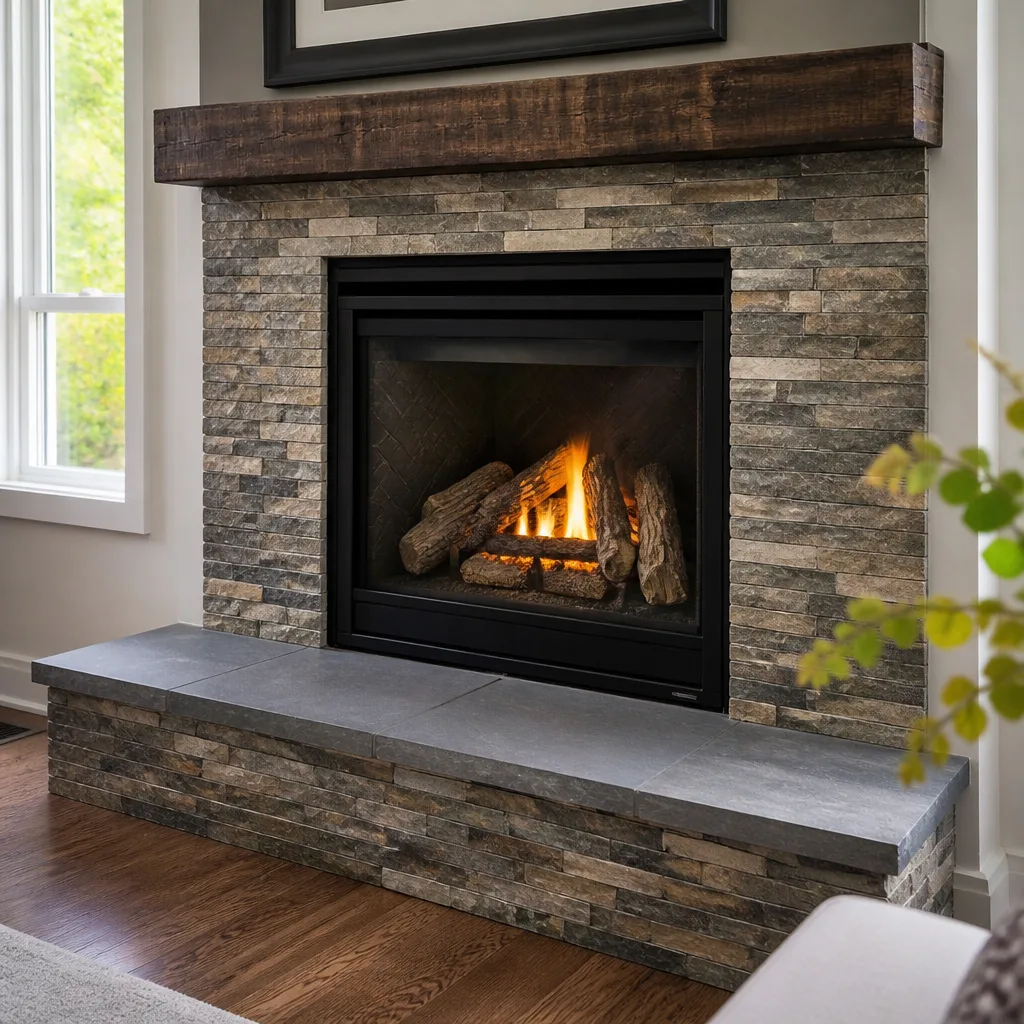 Gas fireplace service
Level 1 sweep and inspection to the NFPA 211 annual standard - flue, crown, cap, and flashing checked and photographed
Chimney sweep logs do not sweep chimneys. They loosen some creosote - which then falls where a brush and vacuum still have to collect it.
Chimney Sweep Maintenance Checklist for Borough Park Homeowners
Most homeowners track one number on their chimney: the date it was last swept. That’s one variable in a system with at least ten. A flat crown can let meltwater into the masonry above the firebox. A hairline liner crack can widen in a single winter. A disconnected appliance flue can turn a working chimney into an exhaust path into the house. None of these show up in a firebox that looks “clean enough.” This guide breaks chimney upkeep into a component-by-component checklist for Borough Park homes, explains which items you can verify from the ground and which need a professional eye, and shows you how to log change year over year so you know whether a problem is stable or getting worse.
Quick Answer
A Borough Park chimney maintenance checklist should cover eight separate components: cap, crown, flashing, flue liner, smoke chamber, damper, firebox, and appliance connections. Each one should be checked at least once a year, and the liner and crown should be compared against last year’s notes so you can see whether deterioration is progressing. A sweep cleans; an inspection documents each component; together they catch small failures before they reach the flue.
Styles & brands we work with
- Sweep & inspection
- Caps & crowns
- Flue relining
- Masonry repair
- Gas fireplace service
Table of Contents
- The Component-by-Component Checklist
- What You Can Verify From Ground Level vs. What Needs a Sweep
- Tracking Liner Crack Progression Year Over Year
- Borough Park Environmental Stressors: Freeze-Thaw, Urban Particulate, and Outdoor Air
- The Annual Sequence: How a Full Maintenance Cycle Works
- Using Your Checklist for Insurance Claims and NYC Building Inspections
- Why Material Choice Belongs on the Checklist
- Common Mistakes to Avoid
- When to Call a Professional
The Component-by-Component Checklist
Treat your chimney as eight components that fail differently. A generic yearly sweep checks the firebox and the flue but often stops there. The narrow items are the ones that cause the expensive problems.
1. Chimney Cap
Sits on top of the flue and keeps rain, birds, and debris out. Check that it’s fastened down, that the mesh is intact, and that the top plate hasn’t rusted through. A cap that’s come loose lets water straight down the flue. A formal chimney cap & crown inspection catches this and the crown in the same visit.
2. Crown
The concrete slab at the top of the chimney sheds rainwater away from the masonry below. Look for visible cracking, spalling, or separation at the flue. A hairline crack can open into a channel over a freeze-thaw winter in Borough Park.
3. Flashing
The metal that seals the chimney to the roof. Failed flashing shows up as water stains on ceiling or wall near the chimney, not inside the firebox. Check the sealant line and the metal itself where it meets the shingles.
4. Flue Liner
The clay tile, stainless, or cast-in-place liner that carries smoke and gases up and out. Cracks, gaps at joints, and missing mortar joints all matter. This is the single most important item on the list.
5. Smoke Chamber
The tapered space above the damper where smoke gathers before it rises. Rough or deteriorated parging here causes turbulence and smoke spill into the room. This is a camera-scope item for an inspector, not a visual check.
6. Damper
The metal plate that opens and closes the flue. The damper should open fully, close flush, and stay where you set it. A stuck or warped damper is a draft problem and a heat-loss problem.
7. Firebox
The brick and mortar box where the fire sits. Check for cracked brick, loose joints, and white chalky staining (efflorescence), which tells you water has been in the masonry.
8. Appliance Connections
If you have a gas insert, oil flue, or a furnace or boiler sharing the chimney, the appliance connector and its draft are part of the checklist. A poorly connected flue can vent combustion gases into the house, which is the carbon monoxide risk every homeowner should know about.
What You Can Verify From Ground Level vs. What Needs a Sweep
Some checklist items are safe and useful for a homeowner to look at from the ground with binoculars. Others need a trained person with a camera, a brush, and a flashlight at the top of the flue.
Safe to check yourself (ground level)
- Cap is present, fastened, and the mesh isn’t torn or missing
- Crown shows no obvious cracks or shifting when viewed from below
- No staining, rust streaks, or efflorescence on the exterior masonry
- Flashing line at the roof looks sealed and the metal hasn’t pulled away
- Damper opens and closes smoothly from inside the firebox
- Firebox brick and mortar look intact with no loose pieces or white staining
- No smoke spill into the room when a fire is lit and the damper is open
Needs a sweep or inspector
- Interior of the flue liner (cracks, joint gaps, missing mortar)
- Smoke chamber parging (camera scope)
- Creosote and soot level inside the flue
- Draft measurement and appliance connection verification
- Hidden crown damage visible only from the roof side
- Flashing integrity where it’s tucked under shingles
The distinction matters because a homeowner looking up from the sidewalk can easily see that a cap is missing, and just as easily miss a hairline liner crack three feet below the flue top. We’ve seen both scenarios. The right posture is: verify what you can from the ground, and let the annual inspection do the rest. A formal chimney inspection is a documented assessment, not a quick walkaround. That’s the difference between a report you can compare next year and a memory that fades by spring.
Tracking Liner Crack Progression Year Over Year
A single report tells you whether the liner is sound today. Two reports, side by side, tell you whether the liner is deteriorating and how fast. That’s the difference between “we’ll watch it” and “we should act before next season.”
Build a simple log
Every year, on your inspection report, note these for the liner:
- Date of inspection and who performed it
- Liner material (clay tile, stainless, cast-in-place or HeatShield-resurfaced)
- Number and location of visible cracks (e.g., “two hairline cracks, third joint from top”)
- Whether camera video was recorded and where it’s stored
- Whether the smoke chamber parging is intact, rough, or missing
- Creosote stage (stage 1, 2, or 3) and soot thickness
- Any change since last year, with a simple up/stable/down mark
Reading the trend
A single hairline crack that stays the same size across two inspections is usually a “monitor” item. A hairline crack that has widened, or a joint mortar line that’s now missing, means the liner is degrading faster than normal and needs attention. Three-year trends are the most useful, because most liner failures are gradual. When we find a crack pattern accelerating, we know two things: the current liner probably isn’t going to hold much longer, and the sooner it’s addressed the less likely it is to become an interior masonry repair. Resurfacing with HeatShield is one route when the existing liner can still support it. Full relining with a DuraFlex system from Olympia Chimney is another. Which one belongs on your chimney depends on how much structure is left to work with.
Borough Park Environmental Stressors: Freeze-Thaw, Urban Particulate, and Outdoor Air
A checklist written for a rural chimney on a wood-framed house isn’t the right checklist for a Borough Park chimney. The local conditions shape which components fail first.
Freeze-thaw and the crown
Borough Park winters give you repeated cycles of melting snow by day and hard freeze at night. Water that sits in a hairline crown crack expands when it freezes and pries the crack wider. Over multiple winters this turns a cosmetic crack into exposed brick. That’s why the crown is on the checklist every year, not just when something looks wrong. A flat or poorly sloped crown that sheds water toward the flue rather than off the edge makes the cycle worse.
Urban particulate buildup
Rooftops in Borough Park sit in an environment with more airborne soot, dust, and general urban particulate than open suburban lots. That builds up on the crown surface, in the cap mesh, and on the exterior masonry. Fine particulate that settles in a dirty cap mesh prevents proper draft. Soot sitting on clay tile shortens the life of the joint mortar. Part of your checklist should be a yearly look at the cap and the exterior masonry for a heavy dark film.
Outdoor air and masonry
Urban outdoor air holds moisture and fine pollutants that work their way into the masonry over years. Efflorescence, the chalky white staining on the exterior brick, is a visible sign that moisture is moving through the masonry. It’s not a failure on its own, but it belongs on your watch list and should prompt a closer look from a sweep.
Older housing stock and shared flues
Many Borough Park homes were built with flues shared between appliances, or with masonry chimneys sized for a wood-burning fire that has since been replaced with a gas insert. When a flue’s appliance changes, the flue’s checklist changes too. A gas insert needs verification that it vents correctly. An oil flue needs a different service interval than a wood chimney. If your home has more than one appliance venting into the same chimney, tell the sweep before the inspection begins.
None of this makes Borough Park chimneys fragile. It just means the checklist should prioritize the crown, the cap, and the exterior masonry earlier than a generic checklist would. That’s one reason we work with known trade-grade materials: Olympia Chimney, DuraFlex, HeatShield, Famco, Copperfield, and Gelco all hold up to the freeze-thaw cycles here better than generic subsitutes.
The Annual Sequence: How a Full Maintenance Cycle Works
A properly structured maintenance cycle moves from observation to cleaning to inspection to repair, in that order. Doing it out of order wastes time or misses issues.
- Book the appointment. Before burning season is the practical time to book a sweep in Borough Park. The chimney hasn’t been used for months, but the wear from last season is fully visible.
- Walk the ground-level items. While the sweep is on site, look at the checklist items you can verify from the ground together. This is where you spot what you missed last year.
- Sweep the flue. A proper chimney sweep clears soot and creosote from the flue and firebox. This is the cleaning step, not the inspection step.
- Inspect each component. This is a documented inspection with camera work on the liner and smoke chamber. Every item on the checklist gets a verdict: good, monitor, or repair needed.
- Compare against last year. Pull out last year’s inspection report and mark any change. This is where you see progression.
- Agree on repairs. If repairs are needed, they should be issues the inspection actually documented. Any repair recommendation should match a specific item on the checklist.
- Book the next year. Schedule the next inspection now while the timing is on your mind. The chimney doesn’t reset itself; the checklist is a running record.
The value of the sequence is that each step depends on the one before it. Sweeping first means the inspector sees the liner clearly. Inspecting first means you know what’s being swept out. When both happen in one visit and one company handles the sweep and the inspection, the notes stay consistent year to year.
Using Your Checklist for Insurance Claims and NYC Building Inspections
A chimney inspection report is a document, not just a conversation. If a chimney fire happens, an insurer will ask what maintenance was done and when. If a NYC building inspector asks for chimney documentation during a sale or a building review, a signed inspection report is the answer. A stack of yearly reports is stronger than a single report that says “chimney was inspected once.”
What makes a good record
- Date, address, and inspector name or company on every report
- Each component listed with a verdict (good, monitor, or repair)
- Camera video saved, not just described
- Before-and-after photos of the crown and cap
- Any repair recommendations written out, not verbal
- Invoice and service date for every sweep
What insurance claims usually need
After a chimney fire or a smoke-spill incident, an insurer wants three things: proof the chimney was maintained, proof the last inspection happened when you say it did, and a report showing what the condition was before the incident. A multi-year inspection file answers all three. Homeowners who keep the file in a single folder (physical or digital) have an easier time with claims than homeowners who try to reconstruct the history from memory.
What inspections often want
During a real estate transaction or a building review, the inspecting party typically wants recent documentation of the chimney’s condition and any completed repairs. If a liner was repaired or replaced, the invoice and the material spec belong with the file. A relined or resurfaced chimney with a documented repair is easier to sign off on than one with an undocumented history.
This is where we draw a line most single-trade sweeps don’t. Cleaning without a documented inspection is a service, not a record. Cleaning with a documented inspection gives you a file you can use if it’s ever needed. Chimney repair work, when it’s done, is documented with the same discipline, and the report is added to the same file.
Why Material Choice Belongs on the Checklist
The materials in your chimney don’t just affect how long a repair lasts. They affect what the next inspector can see and how quickly a future problem shows up. A cheap cap rusts through in a few years. A well-made one lasts long enough that when it does rust, you know it wasn’t a defect. A cast-in-place liner deteriorates differently than a clay tile. A resurfaced liner behaves differently again.
What to write down
When a repair is made, note in your log the brand and material installed. We work with DuraFlex flexible liner systems for relining, HeatShield for liner resurfacing, and Olympia Chimney liners and caps. A cap, crown, or component that was replaced with a trade-grade material has a different expected service life than the item it replaced, and that expected life belongs in your notes. The next inspector will ask, and the answer shouldn’t be “we don’t know, some company put something in.”
What about Famco, Copperfield, and Gelco?
These are also part of the trade-grade material set we work with. The point isn’t the logo on the box. It’s that the brand tells a future inspector exactly what they’re looking at and what to expect from it, which is a checklist item you can only document if the installing company told you.
Common Mistakes to Avoid
- Sweeping only, never inspecting. The firebox may look clean while the liner above it has a developing crack. A sweep cleans; an inspection reports condition. You need both, and they’re different services.
- Ignoring the crown because it “looks OK.” A crown crack that opens in one freeze-thaw winter can lead to water in the masonry by spring. Look at the crown from the ground every fall, not just when there’s a leak.
- Hiring a sweep who won’t document the inspection. If the service isn’t followed by a written, camera-backed report, you have a memory, not a record. The documentation matters when a claim or a building review asks for it.
- Skipping the tracker. Two-year trends are the most useful data on your chimney. Homeowners in Borough Park who skip a year lose the trend line, not just the cleaning.
- Assuming a gas insert needs no chimney service. A gas insert has a flue, a connector, and a draft to check. It generates less creosote than wood, but the flue and the appliance connection still need annual attention.
- Taking one complaint to another trade. A smoke spill is a chimney problem, not a general handyman job. Getting it diagnosed by a generalist wastes a season and can leave the real cause untouched.
- Forgetting the shared flue. If your furnace vents into the same chimney as the fireplace, the checklist has to account for both. Most single-appliance guidance doesn’t mention it, and it’s a common setup in older Borough Park homes.
When to Call a Professional
Call a professional sweep if anyone in the house smells smoke when the fire is running, if the fire is hard to light or burns unevenly, if the damper sticks, if you see staining on the exterior masonry, if your ground-level inspection shows a missing or damaged cap, or if it’s simply been a year since the last documented inspection. A professional should also be the call when you’re unsure whether something is a repair or a monitor item, because that call is what the inspection is for.
Chimney Sweep Borough Park offers free estimates in Borough Park. We schedule a chimney sweep and a documented inspection together so you end the visit with a checklist, not just a clean firebox. We use recognized trade-grade materials, including DuraFlex liners and HeatShield resurfacing, and we handle sweeping, inspection, cap and crown work, chimney repair, and fireplace repair in one place. One crew, start to finish. Call (833) 554-1032 to book. We answer 24/7. Fast dispatch from 7am to 7pm, Sunday through Friday.
See the difference
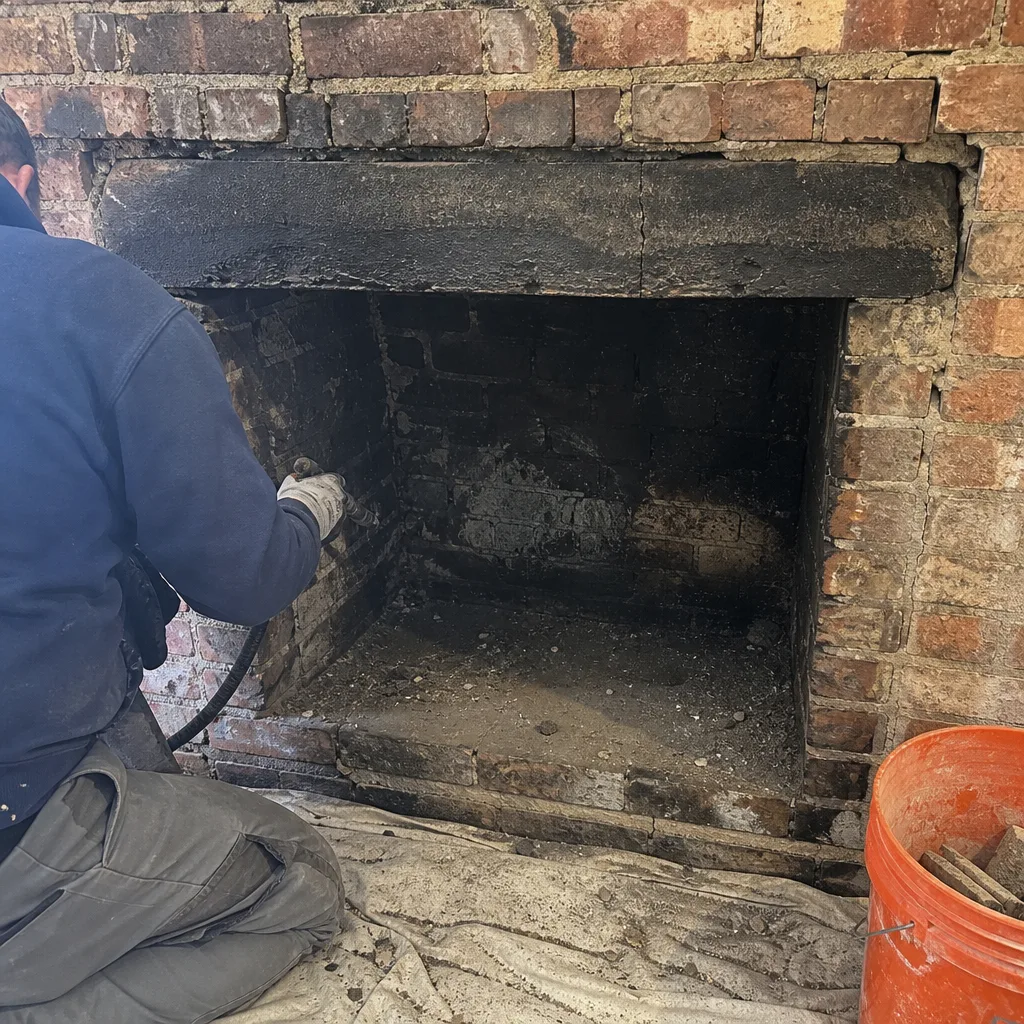 Before
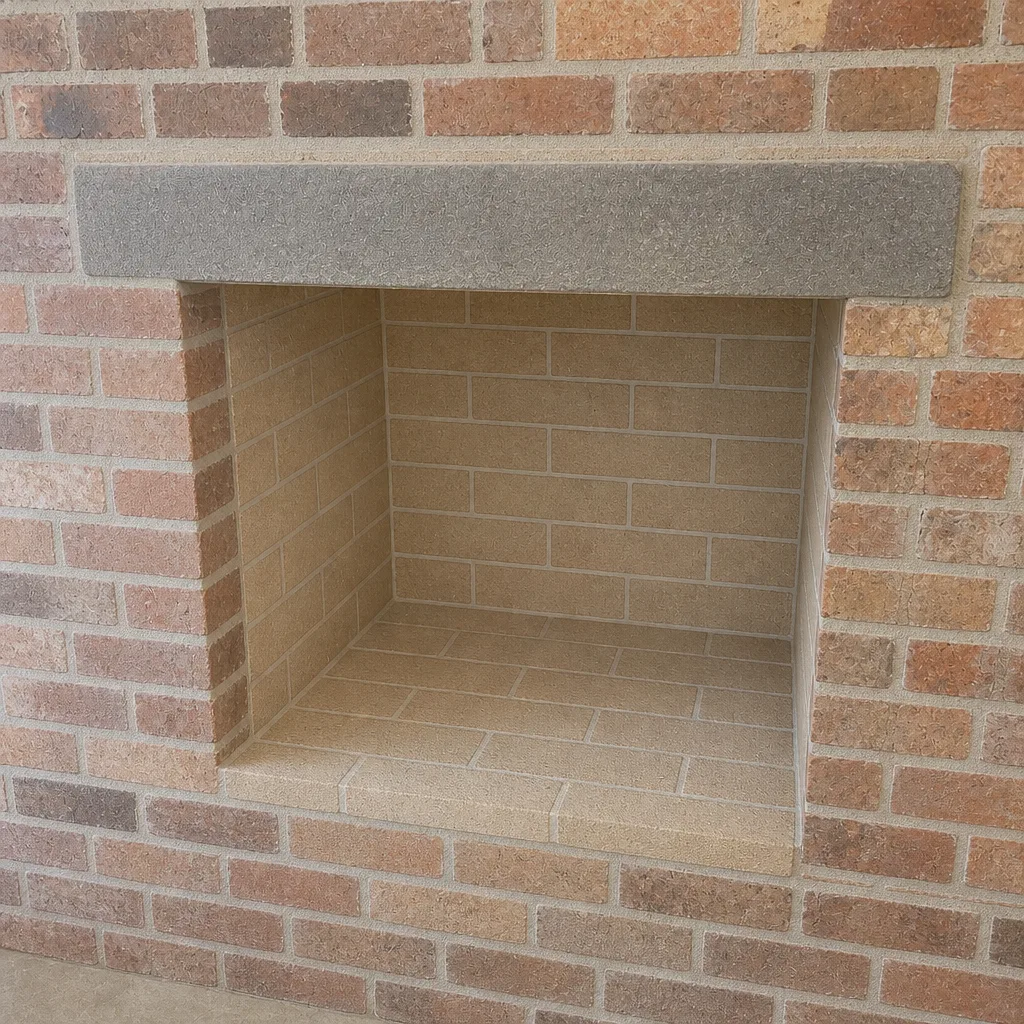 After
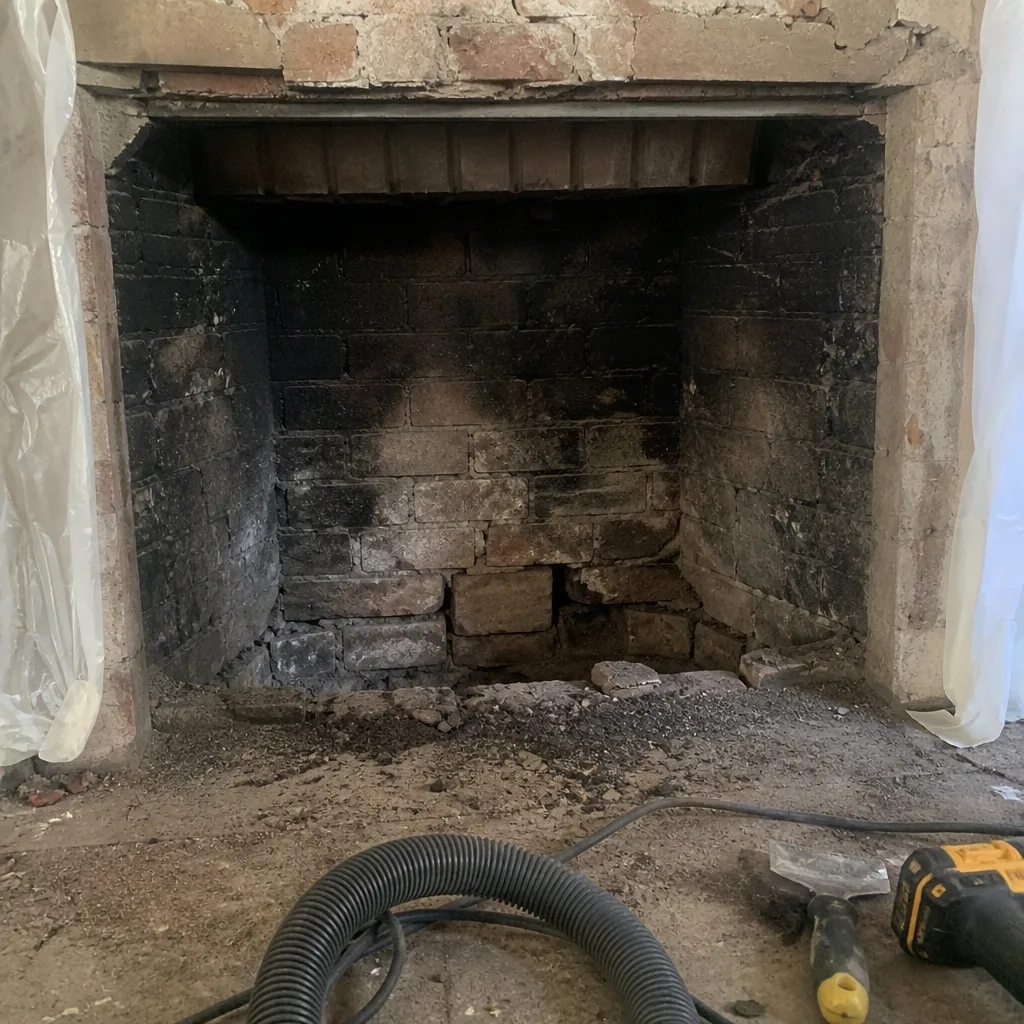 Before
 After
 Before
 After
Frequently Asked Questions
Once a year is the working default for a chimney used regularly for wood, and the inspection should happen even in years when the sweep is light. A gas insert or a shared flue should be inspected on the same annual schedule, because the appliance in the chimney has changed but the yearly check has not. Book before burning season so the chimney’s condition is documented before it’s used hard.
The checklist catches the items a sweep doesn’t get to: crown cracks, flashing separation, smoke chamber parging, and appliance connection problems. A sweep clears soot and creosote from the flue. An inspection looks at each of the eight components as its own unit. Together they catch developing issues before they become structural. Call (833) 554-1032 for an exact quote – estimates are free.
Yes, the ground-level items. You can safely check the cap, the crown, the exterior masonry, and the damper from inside without special equipment. The flue liner, smoke chamber, and appliance connection checks need a trained person with a camera at the top of the flue. Splitting the checklist this way keeps homeowners involved without asking them to climb a roof.
A skipped inspection is a skipped data point. You lose the year-over-year comparison that shows whether a liner crack is stable or growing. The risk isn’t that the chimney fails overnight; it’s that a small issue that would have been a monitor item becomes a repair item two seasons later. Call (833) 554-1032 for an exact quote – estimates are free.
A formal inspection is the right document to have for a real estate transaction or a building review. A report that lists each component with photos and video carries more weight than a service invoice. If a repair has been made, the invoice and material spec belong in the file with the inspection report.
Yes. A gas insert has a flue, a connector, and a draft to verify each year. It produces less creosote than wood, but the chimney structure and the appliance connection are still part of the system. If the flue is shared with another appliance, the annual checklist should account for both. Call (833) 554-1032 for an exact quote – estimates are free.
The Bottom Line
A chimney is a system, not a firebox with a pipe on top. Borough Park homes face freeze-thaw winters, urban particulate, and older housing stock with shared or re-applianced flues, and each of those conditions stresses a different component. A yearly sweep followed by a documented inspection gives you a checklist you can compare year over year, so you know whether a crack is stable or growing. Keep the file. Note the materials. Check eight components, not one number on a calendar. That is what chimney maintenance actually looks like. Chimney Sweep Borough Park handles the chimney sweep and the documented inspection in one visit.
Written by the team at Chimney Sweep Borough Park.